
TL;DR

Get workout gear delivered free with Prime
- Fast, free delivery on millions of items
- Prime Video, Amazon Music and more included
- Member-only deals all year
Wearable devices produce a flood of data, but most of it isn’t useful without context. This guide shows you how to interpret, prioritize, and use your data to support your health without feeling overwhelmed.
How to Use Your Wearable Data Instead of Drowning in It
TL;DR: Your device can track heart rate, sleep, steps, oxygen levels, stress, ECG, and more. The useful move is not collecting every signal. It is choosing the few metrics that match your goal, reading them as trends, and pairing them with real-life context.
Focusing on a few core metrics, like sleep quality and activity trends, creates better health insight than obsessing over every data point.
Focus on the metrics that actually answer your question.
Start with the outcome you care about. Better sleep, stronger fitness, lower stress, and chronic condition monitoring each need a different data lens. A smaller dashboard makes your choices clearer.
Track sleep quality first.
Use duration, consistency, sleep score, and wake timing. Daily steps or calories burned may be interesting, but they can distract from the sleep behaviors you can change.
Balance load with recovery.
Steps, active minutes, workout zones, resting heart rate, and recovery trends are more useful together than any single activity score.
Connect signals to context.
Heart rate variability, resting heart rate, sleep disruption, and stress scores matter most when linked to caffeine, travel, workload, illness, or overtraining.
Raw numbers become useful only when they are tied to patterns.
A sudden spike in resting heart rate can mean dehydration, stress, poor sleep, hard training, travel, or the beginning of illness. One reading is a prompt. A sustained shift from your baseline is a stronger signal.
Collect
Let the wearable capture heart rate, sleep, activity, oxygen, and recovery signals.
Baseline
Learn your normal range before reacting to unusual readings.
Compare
Check whether the change lasts for days, not just minutes.
Act
Adjust sleep, training, hydration, stress load, or ask a professional.
Not every number deserves a decision.
Use this table to decide what to watch, what to contextualize, and what to ignore unless it directly connects to your goal.
| Metric | Best Use | Watch Daily? | Needs Context? | Action Trigger |
|---|---|---|---|---|
| Sleep duration | Recovery, energy, routine design | ~ Optional | ✓ Yes | Several short nights in a row |
| Resting heart rate | Stress, illness, overtraining signal | ~ Trend | ✓ Yes | Persistent rise from baseline |
| Steps | General activity awareness | ✗ Not always | ✓ Yes | Long-term decline in movement |
| Oxygen saturation | Possible sleep or breathing clues | ✗ Usually no | ✓ Yes | Unexpected repeated low readings |
| Calories burned | Rough activity estimate only | ✗ Low priority | ✓ Yes | Rarely useful alone |
Signal Strength Scale
Review less often. Learn more clearly.
The goal is not to track everything. It is to understand what specific data points mean for your health journey and make small, sustainable adjustments.
Pick 2–3 metrics.
Choose only the signals tied to your current health goal.
Review weekly.
Weekly review gives perspective without obsessing over normal fluctuation.
Note patterns.
Look for repeated changes, not one-off spikes or dips.
Ignore clutter.
Drop metrics that do not inform your goal or behavior.
Share concerns.
Bring persistent or unexpected changes to a healthcare professional.
Use the device as a compass, not a courtroom.
Wearable data works best when it helps you ask better questions: What changed? What else was happening? Is this a trend? What small action should I test next?
Healthy interpretation
Improved sleep over several weeks can signal that your behavior changes are working. A gradual rise in resting heart rate may suggest accumulated stress, illness, or too little recovery.
- Do: Use dashboards that show trends over time.
- Do: Connect data to real-life factors like caffeine, workload, and exercise.
- Do: Treat wearable insights as supportive evidence.
- Do not: use wearable data as a substitute for medical diagnosis.
Focus on the Metrics That Truly Matter to You
Your wearable produces a mountain of data, but not every number will help you meet your goals. Identify what matters most—whether it’s sleep quality, activity levels, or stress management. For example, if you want better sleep, tracking sleep stages and duration is more useful than obsessing over daily step counts.
Setting clear priorities helps you avoid the trap of trying to optimize everything at once. When you focus only on a few key metrics, you can interpret what’s truly affecting your well-being. For instance, if your goal is to improve sleep, understanding how sleep quality correlates with your stress levels or caffeine intake provides actionable insights. This targeted approach allows you to make meaningful adjustments rather than chasing every data point that pops up.
Choosing what to focus on also involves understanding the tradeoffs. For example, obsessing over step counts might motivate activity but could lead to overexertion if not balanced with rest. Similarly, prioritizing sleep quality might require behavioral changes like reducing screen time before bed. Recognizing these tradeoffs helps you set realistic, sustainable goals that truly enhance your health in the long run.
Products Worth Considering
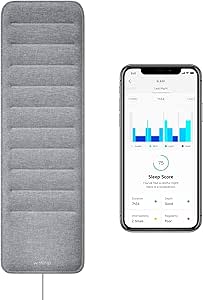
Withings Sleep Under-Mattress Sleep Tracking Pad

Withings Body Scan Smart Scale with Segmental Body Composition and ECG, Black
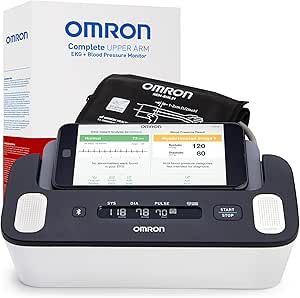
OMRON Complete 2-in-1 Upper Arm Blood Pressure Monitor with EKG
As an affiliate, we earn on qualifying purchases.
Turn Raw Data Into Actionable Insights
Raw numbers are just numbers—what really matters is what they tell you. Look for patterns over time instead of reacting to single readings. For example, a sudden spike in your resting heart rate might seem concerning, but if it’s a one-off, it could be due to a temporary factor like dehydration or stress. However, if elevated heart rates persist over several days, it could signal overtraining, illness, or stress that needs addressing.
Using trend graphs and historical data helps you see these patterns clearly. Recognizing consistent deviations from your baseline can prompt you to make lifestyle changes, like adjusting your workout intensity or managing stress better. But it’s also important to understand the implications of these patterns. For instance, a gradual increase in resting heart rate over weeks might indicate accumulating stress or overtraining, suggesting you need more recovery time. Conversely, improved sleep patterns over time can signal successful lifestyle adjustments. Interpreting these trends with context—like recent changes in diet, activity, or stress—enables you to make targeted, effective actions that support your overall health and resilience.
Avoid the Data Overload Trap with a Simple Checklist
It’s easy to get caught in the web of endless metrics. Use this step-by-step checklist to keep your data useful, not overwhelming:
- Choose 2-3 key metrics aligned with your goals—focusing on these helps you avoid distraction and confusion.
- Review your data once a week, rather than daily, to gain perspective without obsessing over every fluctuation.
- Note significant changes or consistent patterns that could indicate progress or areas needing attention.
- Ignore metrics that don’t directly inform your goals, because chasing irrelevant data can lead to frustration and burnout.
- Share your insights with a healthcare professional if you notice persistent issues or unexpected changes, ensuring you interpret your data correctly and safely.
Remember, the goal isn’t to track everything but to understand what specific data points mean for your health journey. For example, if your goal is to improve sleep, concentrate on sleep duration and quality scores. Recognize that obsessing over calories burned or oxygen saturation might distract you from your primary focus, especially if those metrics don’t directly impact your sleep or overall well-being. This targeted approach not only prevents overwhelm but also helps you make meaningful progress without feeling bogged down by unnecessary details.