
TL;DR

Get workout gear delivered free with Prime
- Fast, free delivery on millions of items
- Prime Video, Amazon Music and more included
- Member-only deals all year
HRV measures the variability in time between heartbeats, revealing your nervous system’s balance. Athletes track HRV to optimize recovery, prevent burnout, and personalize training—enabled by new wearable tech making it accessible for everyone.
Ever notice how some days you bounce out of bed, ready to crush your workout, while other days you feel sluggish even before starting? That’s where HRV, or Heart Rate Variability, comes into play. It’s not just a fancy buzzword but a real window into how your body handles stress, fatigue, and recovery.
More athletes are paying attention to HRV because it helps them tweak workouts, avoid burnout, and understand their bodies better. Thanks to wearables and apps, tracking HRV has become easier—and more insightful—than ever.
Track HRV daily in the morning to build a personal baseline and observe trends.
A rising HRV over weeks signals good recovery; a falling HRV suggests stress or overtraining.
Lifestyle factors like sleep, hydration, and stress management directly influence HRV.
Use HRV as a proactive tool to adjust training, not as a sole decision-maker.
Wearable tech makes HRV tracking accessible and easy for everyday athletes.
What HRV Is—and Why Athletes Suddenly Care
Heart rate variability reveals the tiny timing changes between beats. For athletes, those milliseconds can expose the balance between stress and recovery before fatigue becomes obvious.
Not the beat. The space between beats.
A heart at 60 beats per minute does not necessarily beat once every exact second. One interval might be 0.96 seconds, the next 1.04. HRV measures that variation—and reflects how the autonomic nervous system is adapting.
Variability is normal—and useful
More variation often appears when the body is rested, flexible and responding well. Suppressed variation can accompany training fatigue, poor sleep, illness or psychological stress.
Your internal balance
HRV reflects the push and pull between two branches of the autonomic nervous system.
Why athletes are paying attention
Wearables have turned a specialist measurement into a daily signal. The appeal is simple: HRV can add context to how an athlete feels and help shape the next training decision.
See strain earlier
A downward trend may appear before obvious exhaustion, offering an early prompt to reduce load or investigate sleep, illness and stress.
Personalize intensity
Readiness changes daily. HRV helps athletes move demanding sessions to stronger days and protect recovery when strain accumulates.
Measure without a lab
Oura, Whoop, Garmin and heart-rate monitors make consistent readings accessible through passive or short morning measurements.
Track adaptation
A stable or improving personal trend can indicate that training and recovery are producing sustainable physiological adaptation.
Avoid the burnout spiral
Persistent suppression alongside soreness, poor mood or low energy can support an earlier decision to back off.
Connect lifestyle dots
Sleep, hydration, alcohol, travel and emotional stress become visible as patterns instead of vague suspicions.
Heart rate and HRV answer different questions
Heart rate describes immediate workload. HRV adds a wider view of nervous-system balance and recovery. Used together, they create a more complete training picture.
| Question | Heart rate | HRV |
|---|---|---|
| What is measured? | Number of beats per minute | Variation in time between consecutive beats |
| What does it reveal? | Current exercise intensity and cardiovascular load | Recovery status, stress response and nervous-system balance |
| How does it behave? | Rises predictably with effort and can stabilize during steady work | Changes with sleep, fatigue, illness, hydration and emotional stress |
| Best training use | Control pace, zones and session intensity | Assess readiness and interpret longer-term adaptation |
| Main limitation | Does not fully explain recovery state | Highly individual; devices and conditions can affect readings |
Build a signal you can trust
Consistency matters more than chasing a perfect device or “good” universal score. Repeating the same process turns noisy readings into a meaningful personal trend.
Choose one device
Use the same wearable or validated heart-rate sensor consistently.
Measure on waking
Check before coffee, screens, training or getting out of bed.
Build a baseline
Collect daily readings for several weeks under similar conditions.
Act on trends
Combine HRV direction with sleep, soreness, mood and planned load.
Read the pattern, not the panic
A single low value is not a diagnosis. The stronger signal is a sustained change from your normal range—especially when other recovery indicators move in the same direction.
Common influences
A practical decision guide
From daily habits to better decisions
HRV is most valuable when it connects behavior, physiology and action. That chain turns passive tracking into a proactive recovery practice.
What Exactly Is HRV and Why Does It Matter?
Heart Rate Variability (HRV) measures the tiny fluctuations in the time between each heartbeat. Instead of just counting beats per minute, HRV looks at how consistent or variable those beats are. Think of it as your body’s stress meter—more variation often signals a relaxed, resilient state, while less variation can point to stress or fatigue.
Why does this matter? Because these subtle variations are controlled by your autonomic nervous system, which manages involuntary functions like heart rate, digestion, and breathing. When you’re well-rested and stress levels are low, your nervous system is balanced, leading to higher HRV. Conversely, stressors—physical or emotional—tip this balance, decreasing HRV. Recognizing these fluctuations enables you to interpret your body’s recovery needs and stress levels, making HRV a valuable indicator for optimizing training and daily health choices.
Understanding why HRV fluctuates can help you identify the early signs of overtraining or stress overload. For example, a sudden drop in HRV might mean your body is under more strain than usual, even if you haven’t yet felt tired. This insight allows you to adjust your training intensity or prioritize recovery before setbacks occur, ultimately supporting better long-term performance and health.
As an affiliate, we earn on qualifying purchases.
How HRV Tells You If You’re Overdoing It
Imagine you’re pushing hard in workouts, but your HRV starts to trend downward. This decline isn’t just a number—it’s a signal from your nervous system indicating increased stress and reduced recovery capacity. When HRV drops, it often reflects heightened sympathetic nervous system activity—the ‘fight or flight’ response—meaning your body is under strain.
Ignoring these signals can lead to overtraining, increased injury risk, or burnout, as your body doesn’t get the chance to repair itself. Conversely, a higher HRV suggests your parasympathetic nervous system—the ‘rest and digest’ mode—is dominant, indicating good recovery and readiness for more intense activity. Recognizing these patterns allows athletes to adjust their training intensity proactively, preventing setbacks and promoting sustainable progress.
In essence, HRV acts as an early warning system, giving you the chance to modulate effort before fatigue or injury occurs. This proactive approach helps you avoid the pitfalls of overtraining, ensuring that your body remains resilient and capable of performing at its best over the long term. By paying attention to these signals, you can strike a balance between pushing yourself and allowing adequate recovery, which is essential for sustained progress and injury prevention.
As an affiliate, we earn on qualifying purchases.
A Side-by-Side Look at HRV and Heart Rate
| Heart Rate | HRV |
|---|---|
| Number of beats per minute | Time variability between beats |
| Provides a snapshot of exercise intensity and cardiovascular load at a specific moment | Reflects the overall balance of your nervous system and stress levels over time, indicating recovery status |
| Relatively stable during steady-state exercise | Fluctuates throughout the day based on stress, fatigue, and recovery |
While heart rate indicates how hard your body is working at a given moment, HRV offers a deeper understanding of your body’s internal state—how well your nervous system is managing stress and recovery. Both metrics are essential because they complement each other: heart rate helps gauge immediate effort, while HRV reveals your readiness and resilience over time. Using them together allows for a more nuanced approach to training and health, helping you optimize intensity and recovery strategies based on your body’s signals.
As an affiliate, we earn on qualifying purchases.
How to Track HRV in Your Daily Routine
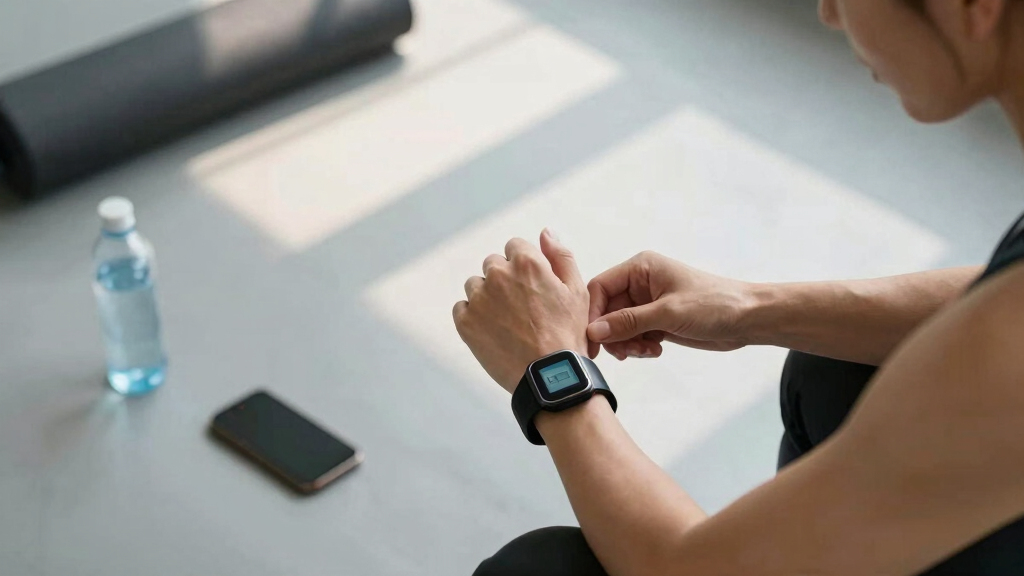
- Choose a device: Wearables like Oura Ring, Whoop, or Garmin simplify HRV tracking, providing consistent, accurate readings without much hassle.
- Measure consistently: Do it every morning, immediately upon waking and before getting out of bed, to ensure comparable conditions and reliable data.
- Record and observe trends: Don’t obsess over single readings—look for patterns over days or weeks that indicate your body’s responses to training, stress, or lifestyle changes. Understanding these trends empowers you to make informed decisions about rest and effort.
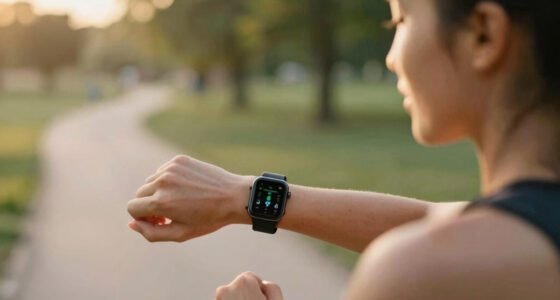
For example, one runner checks her HRV each morning. When she notices a consistent dip, she adjusts her training volume that week, preventing fatigue and injury. Recognizing these patterns helps her optimize her performance and recovery, highlighting the importance of consistent tracking and interpretation.
heart rate variability tracking device
As an affiliate, we earn on qualifying purchases.
As an affiliate, we earn on qualifying purchases.
What Affects Your HRV and How to Manage It
- Caffeine, alcohol, and stress can temporarily lower HRV, signaling increased sympathetic activity and reduced recovery capacity. Recognizing these effects helps you plan around them by adjusting training or recovery strategies accordingly.
- Sleep quality and hydration influence HRV over the long term by supporting your nervous system’s health. Poor sleep or dehydration can lower HRV, impairing recovery and resilience, which can accumulate and affect overall performance.
- Practicing mindfulness, ensuring adequate sleep, and staying hydrated help maintain a resilient autonomic nervous system, supporting stable and healthy HRV levels. These lifestyle choices can mitigate negative influences and enhance your body’s ability to adapt to stressors, promoting better recovery and performance over time.
For instance, if you notice your HRV is lower than usual, it might be time to cut back on alcohol, prioritize sleep, or incorporate relaxation techniques like meditation. These adjustments can help restore your body’s balance, making you more resilient to upcoming training loads or stressors.
Can Improving HRV Really Boost Your Athletic Performance?
Yes, but it’s not magic. Consistent recovery practices—like good sleep, balanced training, and managing stress—can gradually raise your HRV, leading to better physiological resilience. This improved variability indicates a more adaptable nervous system, which translates into more efficient performance, quicker recovery, and reduced injury risk.
When your HRV is higher, your body is better equipped to handle the stresses of training and competition. For example, athletes who prioritize sleep and stress management often see their HRV improve over months, which correlates with enhanced endurance, strength, and overall performance. Essentially, improving HRV reflects a healthier autonomic nervous system—meaning your body can adapt more effectively to training stresses and recover faster, giving you a competitive edge in the long run.
Common Questions About HRV – Answered
- What is a “good” HRV, and how do I know if mine is healthy? HRV varies widely among individuals based on age, fitness level, and genetics. Tracking your baseline over several weeks allows you to understand your personal healthy range. Comparing your readings over time is more meaningful than comparing to others, as HRV is highly individualized. A healthy HRV for you is one that remains within your typical range and shows positive trends with consistent healthy habits.
- How often should I measure my HRV? Daily measurements are ideal, preferably in the morning, to capture your body’s resting state and monitor trends without interference from daily activities. Consistency in timing helps reduce variability unrelated to your health status, making the data more reliable for interpreting changes.
- Can HRV improve with training? Yes. Regular, balanced training combined with proper recovery strategies can gradually increase your HRV, reflecting improved autonomic nervous system adaptability. Over months, this can lead to better resilience and performance, especially when paired with lifestyle factors like sleep and stress management.
- Is HRV affected by caffeine, alcohol, or stress? Yes, these factors can cause temporary decreases in HRV, indicating increased sympathetic activity or stress. Recognizing these effects helps you adjust your lifestyle accordingly and plan recovery periods to restore balance.
- Should HRV be the only metric I rely on? No. It’s best used alongside other indicators like sleep quality, perceived exertion, and overall well-being to get a comprehensive view of your health and performance. Combining multiple data points provides a more nuanced understanding of your readiness and resilience.
Conclusion
Understanding HRV turns your body into a real-time performance dashboard. It’s not about obsessing over numbers but about tuning into your body’s signals to train smarter and recover better.
As technology advances, HRV becomes a simple, powerful tool—one that keeps you connected to your own resilience. Next time you wake up, check your HRV, and see what your body’s telling you. Will you listen?
Fall Picks
fall essentials
As an affiliate, we earn on qualifying purchases.