
TL;DR

Get workout gear delivered free — and shop member deals
- Fast, free delivery on millions of items
- Access to Prime Big Deal Days deals on October 6–7
- Prime Video, Amazon Music and more included
Wearable recovery advice offers helpful estimates but isn’t foolproof. Combining device data with personal feelings and professional guidance results in healthier, more effective recovery strategies.
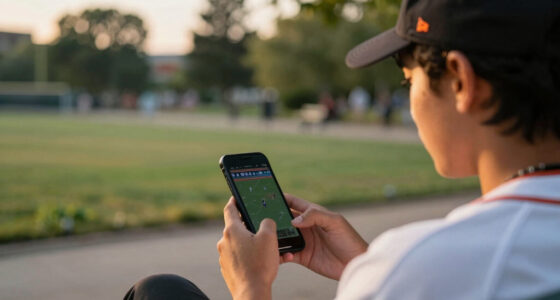
Imagine a smartwatch telling you to take a rest day, even when you feel energized and eager to train. Or vice versa—pushing through fatigue because your device suggests you’re recovered. That’s the tricky part about relying on these gadgets for recovery advice. They’re helpful but not perfect.
In this article, you’ll learn why your watch’s recovery suggestions shouldn’t be taken as gospel. We’ll explore the limitations of algorithms, the importance of listening to your body, and how to use wearable data as a helpful guide—not an absolute rule.
Wearable recovery advice provides estimates, not guarantees. Use it as a guide, not a rule.
Individual differences mean one-size-fits-all algorithms can be misleading; trust your personal signals.
External factors like stress or illness impact recovery but aren’t always captured by devices.
Balance device data with your body’s signals and professional advice for better recovery.
Think of your watch’s suggestions as a helpful nudge—not the final authority on your recovery.
Why Your Watch’s Recovery Advice Can Mislead You
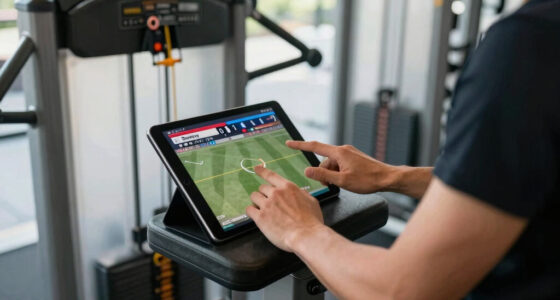
Your fitness watch uses data like heart rate variability (HRV), sleep quality, and activity levels to recommend rest or activity. But these measurements are just estimates, based on algorithms that can’t capture every nuance of your body’s needs.
For example, HRV can be influenced by stress, dehydration, or even caffeine. If your device detects a drop, it might suggest rest. But if you’re feeling fine, maybe your body is ready for a workout. The device doesn’t know that.
According to research, these algorithms are improving but still face accuracy issues, especially when external factors aren’t fully accounted for. So, while your watch can hint at recovery status, it’s not the final word.
Understanding these limitations is crucial because it highlights the importance of context. A low HRV doesn’t always mean you’re unfit to train; it might be temporary due to stress or dehydration. Conversely, a high HRV might give a false sense of readiness if you’re actually fatigued. Relying solely on these signals can lead to poor training decisions, either overexerting or unnecessarily resting, which can hinder progress or cause injury over time.
fitness watch heart rate variability monitor
As an affiliate, we earn on qualifying purchases.
As an affiliate, we earn on qualifying purchases.
Why Individual Differences Make a One-Size-Fits-All Approach Flawed
No two bodies recover the same way. Age, fitness level, stress, sleep, nutrition—these all shape your recovery needs. A device can’t fully grasp your unique situation.
Imagine two runners, both clocking 5 miles daily. One sleeps poorly and feels tired, the other sleeps soundly and feels energized. Their recovery needs differ drastically, but a watch might suggest the same plan for both based on similar heart rates or HRV scores.
Research shows that personal factors can skew device recommendations. For instance, older athletes may naturally have different HRV baselines, making standard thresholds misleading. Similarly, someone under high stress or with poor nutrition might need more recovery time than the device indicates. Ignoring these individual differences can result in inadequate recovery or unnecessary rest, both of which impact long-term progress and health. Recognizing these nuances means understanding that algorithms are only starting points—they can’t replace personalized judgment rooted in your lived experience. The tradeoff here is between simplicity and accuracy; a one-size-fits-all model sacrifices the latter, sometimes at your expense.
sleep tracking device for athletes
As an affiliate, we earn on qualifying purchases.
As an affiliate, we earn on qualifying purchases.
External Factors Your Device Doesn’t Know About
Your device measures your physiological data but can’t always see what’s around you. Stress from work, a recent illness, or even emotional upset can influence your recovery without showing up on your tracker.
For instance, you might have a stressful week at work, raising cortisol levels and impairing recovery. Your watch might not pick this up, suggesting you’re ready to train when your body needs a break.
Being aware of these external influences means trusting your instincts and understanding that data isn’t everything. External factors can create a mismatch between what your device perceives and what your body truly needs. For example, mental stress can elevate heart rate or disrupt sleep quality, leading the device to recommend rest even if your physical activity levels are low. Conversely, physical fatigue from overtraining might not be reflected in immediate physiological changes but can accumulate over time, affecting your overall readiness. Recognizing these external influences encourages a holistic view—considering your emotional state, recent illnesses, and life stressors—rather than relying solely on numbers. This broader perspective helps prevent misinterpretation and ensures you’re making recovery choices aligned with your real needs.
As an affiliate, we earn on qualifying purchases.
The Risks of Over-Reliance on Wearables
When you depend too much on your device, you risk ignoring your own signals. If your watch says ‘train,’ but you feel exhausted, pushing forward might lead to injury or burnout.
Conversely, if the device recommends rest but you feel energized, skipping a workout might delay progress. The key is balance.
Using your feelings as a check against device advice creates a more nuanced recovery strategy. Remember, your body is the best navigator—your device is just a helpful compass. Over-reliance can diminish your ability to tune into subtle cues like muscle soreness, mental fatigue, or emotional readiness. These signals often provide context that raw data can’t capture. For example, feeling mentally drained even if HRV looks good might suggest you need active recovery rather than intense training. Striking a balance between device guidance and subjective feelings allows for more adaptive and sustainable training. It’s about developing an intuitive relationship with your body while leveraging technology as a supportive tool, not the sole authority.
heart rate variability monitor for recovery
As an affiliate, we earn on qualifying purchases.
As an affiliate, we earn on qualifying purchases.
How to Use Your Watch’s Recovery Data Wisely
- View recovery suggestions as guidelines, not rules. Use them to inform your decision, not dictate it.
- Pay attention to how you feel. Fatigue, soreness, mental clarity—these matter more than numbers sometimes.
- Combine device data with other signals: sleep quality, nutrition, stress levels.
- Adjust your plan based on both data and intuition. If you’re sore but your device says you’re recovered, consider a lighter workout.
- Consult professionals if you’re unsure. A trainer or health professional can help interpret your data in context.
Think of your device as a helpful assistant, not the boss of your recovery.
This approach emphasizes the importance of balancing objective data with subjective experience. Relying solely on numbers can lead to misjudgments, especially when external factors or personal differences aren’t accounted for. By integrating feelings, external context, and professional advice, you develop a more reliable and sustainable recovery routine—one that respects your individual needs and promotes long-term progress.
Comparison Table: When to Trust Data vs. When to Trust Your Feelings
| Scenario | Trust Device Data | Trust Your Feelings |
|---|---|---|
| You wake up feeling tired and sore | Check recovery scores; if low, rest. If high, consider light activity. | Listen to your body; if tired, rest regardless of data. |
| You’re energized but your device suggests rest | Review other data—sleep, stress—and consider your overall feeling. | Prioritize how you feel. If energized, light activity might be fine. |
| External stressors affect your recovery | Data might not reflect stress; be cautious. | Use your judgment—if stressed, rest, even if device suggests otherwise. |
This table shows that blending data and feelings leads to smarter choices.
Integrating both sources of information helps mitigate the limitations of each, leading to more nuanced and effective recovery decisions. Recognizing when data might be misleading due to external factors or personal variability encourages a more holistic approach. Ultimately, this balance ensures you’re not solely dependent on technology but are actively engaging with your body’s signals and the context of your life.
Frequently Asked Questions
Can I rely entirely on my smartwatch’s recovery advice?
No, it’s best to see it as a helpful guideline. Your body’s signals and professional advice are equally important for safe, effective recovery.
What should I do if I feel good but my device says I should rest?
Listen to your body. If you’re energized, consider a light workout or active recovery. Use your judgment along with device data.
Why does my device sometimes suggest rest when I feel ready to train?
Devices focus on physiological data that may not reflect your subjective feelings or external stressors. Trust your instincts and consider the bigger picture.
Are some devices more accurate than others?
Yes, higher-end models with advanced sensors tend to provide more reliable data, but no device is perfect. Always combine data with personal awareness.
What’s the best way to improve my recovery besides following device advice?
Prioritize good sleep, balanced nutrition, stress management, and listening to your body’s signals. Consider consulting a professional for personalized guidance.
Conclusion
Your smartwatch can be a valuable tool, but it’s not the oracle of recovery. Trust your body’s signals, consider external influences, and use device data as one piece of the puzzle. Your best recovery strategy combines technology with your own awareness and, when needed, professional guidance.
Next time your watch suggests rest or activity, ask yourself: what does your body say? That question keeps your training sustainable, body-positive, and smart.
Halloween Picks
halloween
As an affiliate, we earn on qualifying purchases.