TL;DR

Get workout gear delivered free with Prime
- Fast, free delivery on millions of items
- Prime Video, Amazon Music and more included
- Member-only deals all year
Hydration supports circulation and temperature control while helping replace fluid lost through sweat, heat, and illness. For most short workouts, water and a regular meal are enough; longer, hotter sessions may call for fluids and sodium. Drink gradually according to your losses and thirst, because forcing too much plain water can be dangerous.
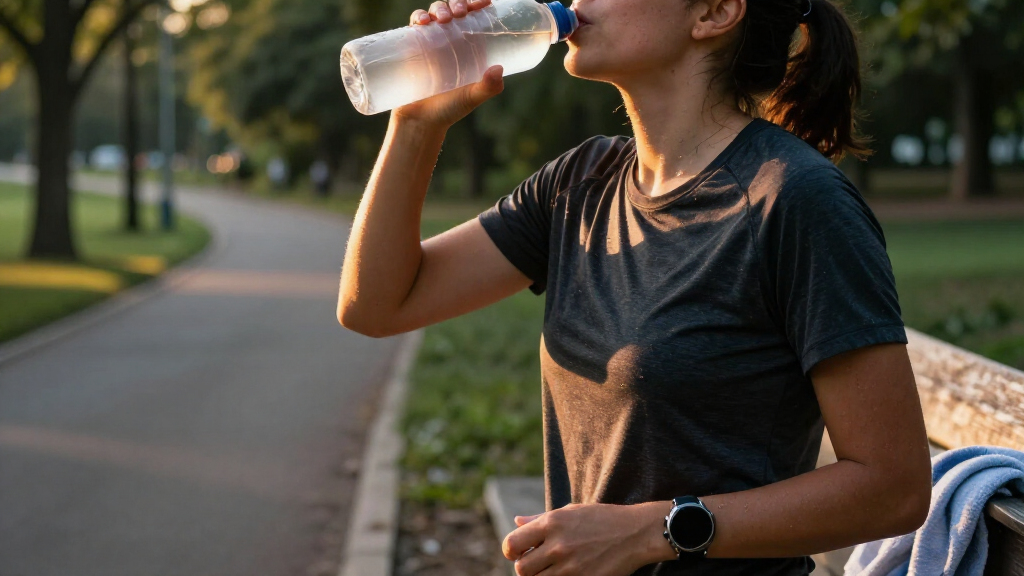
You can finish a workout feeling thirsty and still miss the bigger point: hydration is part of recovery, because your body has to replace fluid it used and lost. Water is a major part of blood plasma, and substantial dehydration can reduce blood volume and make it harder to move heat, oxygen, and nutrients around the body. [1]
That does not mean you need a neon sports drink after every walk or a giant bottle on a timer. For most everyday sessions, water and ordinary food do the job. You’ll learn when thirst is a useful guide, when sweat losses may call for sodium, and why drinking more than you need can create its own risk.
Think of recovery as putting a room back in order after a busy afternoon: fluids help, but they are only one part of the reset. Rest, food, sleep, and appropriate medical care matter too. The goal is a steady, sensible return to your usual balance, not a perfect hydration score.
Hydration supports circulation and temperature control as your body replaces fluid lost through sweat, heat, or illness.
For most short, moderate workouts, thirst, water, and ordinary meals are a reasonable starting point.
A one-kilogram post-exercise weight drop suggests roughly one liter of net fluid loss, but the estimate is imperfect.
Long, intense, or hot sessions may make sodium-containing food or drinks useful; routine short workouts usually do not call for a sports drink.
Avoid forcing large amounts of plain water during prolonged exercise, and seek professional guidance for significant illness or health conditions affecting flu…
Recovery Field Guide · 01
Why Hydration Is a Recovery Tool, Not Just a Thirst Fix
Fluids help restore what your body loses through sweat, heat, and illness. A steady, sensible approach supports circulation and temperature control—without turning every workout into a sports drink event.
01 / Why it matters
Hydration helps the body reset
Water is a major part of blood plasma. Significant fluid loss can reduce blood volume and make circulation and temperature control more challenging.
Move what recovery needs
Blood circulation helps deliver oxygen and nutrients. Replacing fluid losses supports the body as it returns toward its usual balance.
Manage heat load
Sweat loss varies with effort, duration, heat, humidity, and individual sweat rate. The same workout can feel different in different conditions.
One part of the reset
A drink does not repair tired muscles on its own. Meals, rest, sleep, and appropriate care also support recovery.
02 / A practical sequence
Match your response to the session
Start with the workout and conditions. For most everyday activity, thirst, water, and ordinary meals are a reasonable guide.
Notice the conditions
Consider duration, effort, heat, humidity, and whether another session is soon.
Drink to thirst
After a short, moderate workout, water with your normal meal is often enough.
Replace substantial losses
Long, intense, or hot sessions may call for more deliberate fluids and sodium-containing food or drink.
Return steadily
Rehydrate gradually and include food when it fits. Avoid chasing a perfect number.
03 / Estimating losses
A scale can offer a clue
A before-and-after weigh-in can estimate net fluid loss, especially for longer sessions or hot conditions. It is a rough measure, not an exact drinking prescription.
About one kilogram of body-weight loss after exercise suggests roughly one liter of net fluid loss.
Compare under similar conditions: similar dry clothing, before and after, and note drinks consumed. Sweat, food, bathroom trips, and drink intake affect the result.
More water is not always better
Forcing large quantities of plain water during prolonged exercise can dilute blood sodium and cause exercise-associated hyponatremia, a rare but potentially dangerous condition. Drink according to thirst and needs.
04 / Choose what fits
Water, food, or sodium?
Sweat contains water and minerals, including sodium. What makes sense depends on the amount lost and what is coming next.
| Situation | Practical starting point | Why it fits |
|---|---|---|
| Short, moderate workout | ✓ Water + ordinary meal | Routine sessions usually do not require a sports drink. |
| Long, intense, or hot session | ~ Fluids + sodium-containing food or drink | Substantial sweat losses may include meaningful water and sodium. |
| Fever, vomiting, or diarrhea | ~ Consider oral rehydration solution | Balanced salts and glucose may be more appropriate for significant gastrointestinal fluid loss. |
| Excessive forced water intake | ✗ Avoid overdrinking | Too much plain water can dangerously lower blood sodium, especially during endurance exercise. |
05 / Read the whole picture
Useful clues, with context
Thirst helps with everyday needs and many ordinary workouts. After substantial losses, illness, or rapid turnarounds, pay closer attention to the situation and how you feel.
Possible clues
Dry mouth, darker urine, reduced urination, fatigue, or lightheadedness.
No single sign proves dehydration. Urine color can also vary with foods, vitamins, medicines, and time of day.Personal guidance
Make the plan fit your health and your day.
Sweat rate and sodium losses vary. Health conditions or medications affecting fluid or sodium balance call for advice from a qualified professional. Confusion, fainting, inability to keep fluids down, or severe heat illness needs prompt medical attention.How hydration helps your body recover after exercise
Hydration supports recovery by replacing fluid losses and helping your body maintain circulation and temperature control. Because water makes up much of blood plasma, substantial fluid loss can reduce blood volume. A hot, sweaty workout can leave you dealing with more than a dry mouth: your body also has to manage heat and move oxygen and nutrients through circulation. [1]
That’s one reason the same easy jog can feel different on a cool morning and a humid afternoon. When you sweat, fluid leaves your body; how much depends on workout length, effort, heat, humidity, and your own sweat rate. A 20-minute stroll may cause little change, while a long summer hike can leave your shirt salt-streaked and your water bottle empty.
Hydration is a recovery tool, not a switch that instantly repairs tired muscles. It supports the body as it returns toward its usual fluid balance, but it doesn’t replace a meal, a rest day, or sleep. After a hard session, a glass of water alongside lunch and a calm evening may be more useful than treating one drink as the whole recovery plan.
For example, after a 30-minute strength workout in a comfortable gym, you may simply feel thirsty and drink with your normal meal. After two hours of outdoor cycling in humid weather, you may have lost much more fluid and need to pay closer attention to drinking and eating. The setting matters as much as the workout label.
Products Worth Considering

Levoit Vital 100S-P Air Purifier with Washable Pre-Filter

Withings Body Smart Wi-Fi and Bluetooth Body Composition Scale

BowFlex Results Series SelectTech Dumbbells
As an affiliate, we earn on qualifying purchases.
Why thirst helps, but may not tell the whole story
Thirst is a useful guide for everyday drinking and many ordinary workouts, but substantial losses or a quick turnaround between sessions can call for more deliberate attention. If you finish a short, moderate workout and feel normal, drinking when you’re thirsty and having your usual meal is often a reasonable approach. [1]
But thirst isn’t a measuring cup. During a long event, in intense heat, or when you have another session soon, it can be hard to keep up with losses by reacting only once your mouth feels dry. That doesn’t mean you should force water on a strict schedule; it means you can consider the circumstances, how you feel, and whether you’ve had a marked change in weight or urination.
Imagine you run for 25 minutes before breakfast on a mild day, then head home to make coffee and eggs. Your thirst and meal may guide you without much planning. Now imagine you spend the afternoon helping at a summer sports tournament, sweating for hours between games. A plan to drink regularly and eat something salty may make more sense than waiting until you feel parched.
Other clues can include dry mouth, darker urine, reduced urination, fatigue, or lightheadedness, but no single sign proves what is happening. Urine color can shift with vitamins, foods, medicines, and time of day. Treat clues as part of the picture, not a pass-or-fail test. [1]
Estimate your sweat losses without chasing perfect numbers
A before-and-after weigh-in can give you a rough estimate of net fluid loss during exercise: each kilogram of body weight lost is about one liter of fluid. The estimate is imperfect because sweat, drinks, food, and bathroom trips affect the numbers, so use it as a clue rather than an exact prescription. [1]
For a simple example, suppose you weigh yourself in similar dry clothes before and after a long workout, and the scale shows you are one kilogram lighter. That suggests a notable net fluid loss. If you drank during the session, the scale already reflects that intake; it does not tell you exactly how much you sweated or how much to drink immediately.
You do not need to weigh yourself after every walk. For a routine 30-minute neighborhood stroll, checking the scale would add fuss without much benefit. A rough comparison may be more helpful when you do a long training session in heat, repeat workouts in one day, or notice that your usual approach leaves you feeling unusually drained.
If you use a scale, keep the conditions as consistent as you can: weigh before and after, wear similar dry clothing, and note what you drank. Do not turn the result into a rigid target. Sweat rates vary, and the right response depends on thirst, food, the session ahead, and your health. People with health conditions or medications that affect fluid or sodium balance should get individualized advice from a qualified professional. [1]
Know when water is enough and when sodium may help
Water and ordinary meals are usually enough after a typical short workout, while longer, intense, or hot sessions may make fluids and sodium more useful. Sweat carries water and minerals, including sodium. When you lose a lot through sweat, a salty snack or meal can help replace some of what you lost along with fluids. [1]
For example, after a half-hour beginner workout in a cool room, water and dinner may be all you need. After a long summer run followed by another training session later that day, a drink or food containing sodium may fit better. You can often find that sodium in normal food: soup, a sandwich, or a snack you already enjoy, depending on your needs.
Sports drinks can be convenient during prolonged, strenuous exercise, especially in heat, but they are not a required badge of effort. For routine activity, water with a meal or snack is usually a simpler choice. A branded drink cannot turn an ordinary workout into a special recovery event; the useful question is whether it helps replace meaningful losses in your situation.
People differ in how much they sweat and how much sodium their sweat contains. If you exercise for a long time in heat, repeat sessions with limited recovery time, or have a condition or medication affecting fluid balance, ask a qualified health professional for advice tailored to you. The best plan is one that fits your actual training and health, not a one-size-fits-all rule. [1]
Rehydrate steadily without drinking past your needs
Rehydrate gradually by drinking according to your thirst and the size of your losses, and include food when it fits. More water is not automatically better: drinking far beyond sweat losses during prolonged exercise can dilute blood sodium and cause exercise-associated hyponatremia, a rare but potentially dangerous condition. [1]
- Pause and check in. After you stop, notice your thirst, the heat, how long you exercised, and whether you have another session soon. A brief, easy workout usually calls for a simple drink with your next meal.
- Replace what you lost at a comfortable pace. Take drinks over time rather than forcing a huge volume all at once. If a long, hot session left you with substantial losses, include food or a drink with sodium as appropriate.
- Adjust for the next few hours. If you’re still thirsty or you have another session, keep drinking and eating normally. Avoid treating a rough weight estimate as a command to down a precise volume immediately.
Picture finishing a long hike with a dusty backpack and a dry mouth. A few steady drinks while you eat a sandwich and rest in the shade make more sense than racing to empty a large bottle. Comfort and context are better guides than a forced water challenge.
Confusion, fainting, inability to keep fluids down, or signs of severe heat illness need prompt medical attention. If you have a medical condition or take medication that affects fluid or sodium balance, ask a qualified professional about a safe approach. [1]
Adapt your plan when illness or heat changes the rules
Fluid needs can rise outside the gym, too: fever, vomiting, diarrhea, and heat all create fluid loss. For mild loss, frequent small sips may be easier than trying to drink a full glass at once. With significant vomiting or diarrhea, an oral rehydration solution can be more appropriate than plain water because it contains carefully balanced salts and glucose. [1]
For example, if a stomach bug makes large drinks hard to keep down, small, frequent sips may feel more manageable. If symptoms are severe or you cannot keep fluids down, contact a qualified medical professional. Young children, older adults, and people with other health vulnerabilities may need prompt professional guidance when dehydration is a concern. [1]
Heat also changes the equation. A gentle walk in cool weather and a long afternoon of gardening under a hot sun do not create the same losses. Take breaks, find shade, and drink to thirst; if heat exposure causes serious symptoms, seek medical help rather than trying to solve the situation with water alone.
Hydration supports the body during recovery, but it does not treat the cause of illness or replace appropriate care. Pay attention to the situation around the fluid loss: exercise, heat, and stomach illness each call for a different level of concern. If your symptoms worry you or worsen, get advice from a qualified professional.
Make hydration one part of a recovery routine that lasts
Recovery works best as a set of ordinary habits: fluids, food, rest, sleep, and a suitable training load each have a role. Hydration can support circulation and temperature control, but it cannot stand in for a meal after a long workout or a quiet night after several hard training days. [1]
Consider a new runner who finishes a sweaty evening session. They refill their bottle, eat a regular dinner with carbohydrates and protein, shower, and get to bed at a sensible time. That routine supports recovery more broadly than buying a special drink and staying up late to finish another workout plan.
Wearable sensors, sweat tests, and personalized hydration plans attract interest, especially in elite sport. Their measurements and recommendations can vary in accuracy, and most recreational exercisers do not need specialized testing. Simple observations are often enough: note when heat or longer sessions leave you especially thirsty, and adjust with normal food and fluid.
Claims that a particular drink or strict routine dramatically speeds recovery deserve a careful look. The effects of hydration depend on how much fluid you lost and what activity you did; no drink erases fatigue or guarantees a better next workout. If you enjoy a sports drink and it suits the session, it may be convenient. For many ordinary workouts, though, your water bottle, dinner, and sleep are a practical starting point.
Frequently Asked Questions
How much should I drink after a workout?
There is no single amount for everyone. Consider how long and hard you exercised, the heat, your thirst, meals, and any noticeable weight change. Drink gradually; substantial losses may call for sodium as well as fluid. [1]
Do I need a sports drink after exercise?
Usually not after a short, moderate workout. Water and an ordinary meal or snack are often enough. A sports drink may be convenient during prolonged, strenuous exercise, especially in heat, when replacing fluid and sodium matters more. [1]
Can I drink too much water while exercising?
Yes. Drinking far beyond your losses, especially during prolonged exercise, can dilute blood sodium and cause exercise-associated hyponatremia. Avoid forcing large quantities of plain water during endurance activity. [1]
Does coffee or tea count toward hydration?
For most people, moderate amounts of caffeinated drinks contribute to daily fluid intake. They may not be the most suitable choice for targeted rehydration after heavy sweating or illness, when water and, in some cases, sodium-containing fluids or foods are more relevant. [1]
What should I drink if vomiting or diarrhea causes fluid loss?
For mild fluid loss, small, frequent sips may be easier to manage. An oral rehydration solution contains carefully balanced salts and glucose and may be more appropriate than plain water for significant gastrointestinal fluid loss. Get medical advice for severe symptoms or if you cannot keep fluids down. [1]
Can urine color tell me whether I am hydrated?
Very dark urine can be a rough clue that urine is concentrated, but color changes with vitamins, foods, medicines, and time of day. No single sign gives a complete answer, so consider how you feel and what you have been doing as well. [1]
Conclusion
Match your drinking to what you actually lost. For a short workout, water and a regular meal may be plenty; after a long, sweaty session, steady fluids and sodium-containing food may fit better. Recovery is a whole routine, not a magic bottle.
Let thirst, the weather, your workout, and how you feel guide the next drink. Then give your body the other basics it needs: food, rest, and time. A quiet glass of water beside dinner can be a better recovery plan than chasing the loudest promise on the shelf.