TL;DR

Get workout gear delivered free with Prime
- Fast, free delivery on millions of items
- Prime Video, Amazon Music and more included
- Member-only deals all year
Compression garments apply gentle pressure and may help some people feel less sore or more comfortable in the day or two after strenuous exercise. Research does not show that they reliably speed tissue repair or improve next-day performance, so treat them as optional support alongside sleep, food, fluids, and sensible training.
After a tough run, your calves can feel as if they’ve been wrapped in tight, warm wires. A pair of compression socks may feel soothing, but that comfort does not automatically mean your muscles are repairing faster.
Compression garments, including socks, sleeves, tights, and tops, apply gentle pressure to the body. You’ll learn what that pressure may change, what recovery research actually finds, and how to decide whether compression fits your routine. The practical answer is modest: it may help you feel more comfortable, especially after demanding exercise, but it is one optional tool among many.
Think of compression like a hand resting on a wobbly table: it may make things feel steadier, but it does not rebuild the table. Your sleep, nutrition, fluids, training load, and time still do most of the work that supports recovery.
Compression garments apply gentle pressure and may help some people feel less sore or more comfortable after strenuous exercise.
Research reports small benefits in perceived recovery, while consistent next-day performance gains remain limited.
During exercise, compression may offer warmth or support; after exercise, researchers have more often studied its effect on soreness.
Choose a garment that feels snug rather than painful, and remove it if you notice numbness, tingling, skin changes, pain, or unusual swelling.
Treat compression as an optional comfort tool alongside sleep, food, fluids, sensible training, and time.
Recovery science · A practical guide
The Science Behind Compression for Recovery
Compression garments may make tired legs feel more comfortable after demanding exercise. Here’s what gentle pressure can change, what research finds, and how to decide whether it belongs in your routine.
Reported in some studies after strenuous exercise.
The day or two after a hard effort.
No consistent boost has been established.
Choose it for comfort, not dramatic promises.
At a glance
Five useful takeaways
Socks, sleeves, tights, and tops apply gentle pressure. How they feel can matter, but comfort and tissue repair are different outcomes.
Compression garments apply gentle pressure and may help some people feel less sore or more comfortable after strenuous exercise.
Studies report small improvements in perceived recovery; reliable next-day performance gains remain limited.
During exercise, garments may feel warm or supportive. After exercise, soreness is more often studied.
Choose snug, not painful. Remove the garment if you notice numbness, tingling, skin changes, pain, or unusual swelling.
Treat compression as an optional comfort tool alongside sleep, food, fluids, sensible training, and time.
Possible mechanisms
What pressure may change
These are plausible ways compression could influence comfort or recovery sensations. None guarantees faster healing.
Less pooling
Pressure may help limit fluid buildup in the limbs. The size of any effect depends on fit, activity, and posture.
Possible support
Graduated garments are tighter farther from the heart and looser toward it. Athletic garments do not automatically provide medical benefits.
Reduced oscillation
A snug layer may limit small muscle movements during exercise. Whether this meaningfully reduces muscle damage is uncertain.
Warmth and stability
Feeling held or warm may improve comfort and perceived recovery, even when it does not measure tissue repair.
Reading the research
A modest helping hand, not a master switch.
Results vary across garment types, pressure, wear time, exercise protocols, and outcome measures. Since people usually know when they are wearing compression, expectations can also shape soreness ratings.
When to wear it
During exercise or afterward?
There is no universally established schedule, ideal pressure, or duration for athletic recovery.
During exercise
A layer may feel warm or supportive, which can be useful if you like the sensation or the weather is cool.
- Comfort and warmth are reasonable reasons to wear it.
- A consistent performance boost for healthy athletes has not been established.
After exercise
This is the more commonly studied use for soreness and perceived recovery in the day or two after strenuous exercise.
- Some people find it soothing during travel home or rest.
- Tighter or longer wear has not been shown to guarantee better results.
A simple personal trial
See whether it earns a place in your routine.
Try a comfortable garment after a familiar hard workout. Keep your usual recovery habits steady, then judge the experience by comfort and fit.
Pick a familiar session
Use a workout you already know, so the recovery experience is easier to compare.
Check the fit
Follow sizing guidance. The garment should feel snug and supportive, never painful or constricting.
Notice how you feel
Keep it if the comfort feels worthwhile. Do not treat that feeling as proof of faster repair.
The recovery picture
Muscles feel tired or sore.
Pressure may change support and comfort.
Some feel better; others notice little change.
Sleep, nourishment, fluids, training load, and time.
Fit and safety
Snug and supportive—not constricting.
Use the manufacturer’s sizing guidance. Properly fitted medical-grade compression serves specific needs and may require clinician advice; athletic recovery garments are not a substitute for that guidance.
What Compression Can Do for Your Tired Legs
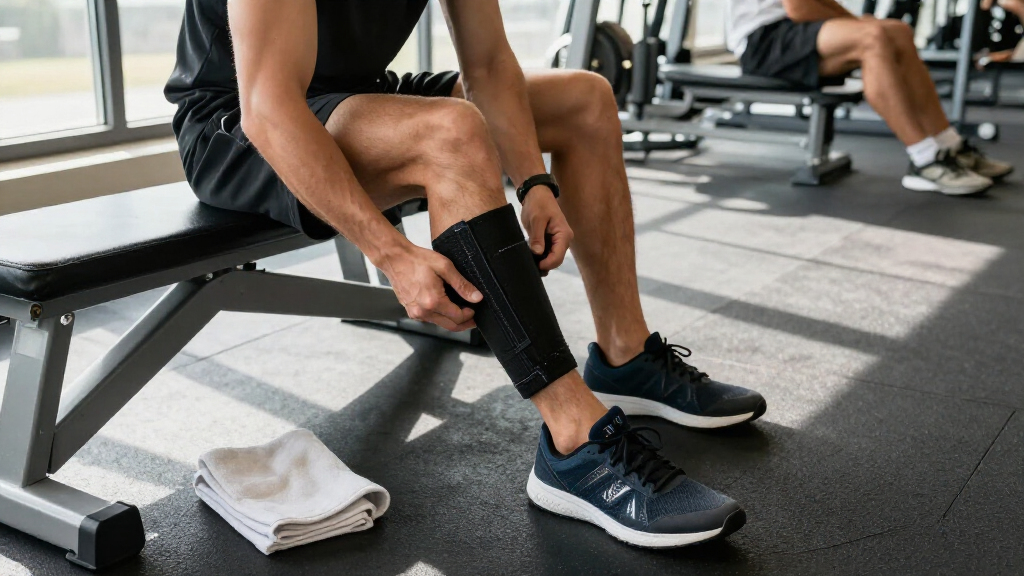
Compression for recovery means wearing a snug garment that applies gentle pressure to a body area after exercise, with the aim of improving comfort or reducing the feeling of soreness. Socks, sleeves, tights, and tops are commonly used during exercise and afterward, especially by runners and other endurance athletes. A pair of socks after a long run is a familiar example: your lower legs may feel held and warm while you sit on the train home.
Some compression garments are designed with graduated pressure: they fit more tightly farther from the heart and become looser toward it. In medical settings, properly fitted compression is used to help manage certain circulation problems and swelling. Athletic recovery garments have a different purpose, so the existence of medical uses does not prove that a sports sock will improve every runner’s circulation or repair tired muscles.
It helps to separate comfort from repair. A snug sleeve might make your legs feel supported, much as a firm hand on a rattling bike basket quiets the ride. That sensation can matter to you, but it does not establish that damaged tissue has healed faster or that you are ready for another hard workout.
For example, if your calves feel less heavy after you wear socks on a recovery day, you may choose them again because they make sitting at your desk more pleasant. Just treat that as a personal comfort signal, not proof that the garment has fixed muscle damage. Benefits can vary with fit, garment type, activity, and the person wearing it.
Products Worth Considering

Hyperice Normatec Elite Wireless Compression Boots Recovery – Standard Size

Garmin Forerunner 165 GPS Running Smartwatch, 43 mm, Black

Garmin Forerunner 55 GPS Running Smartwatch, Black
As an affiliate, we earn on qualifying purchases.
Why Gentle Pressure Might Change How Recovery Feels
Compression for recovery may influence fluid movement, circulation, muscle motion, and your sense of support, but those possible effects do not guarantee faster healing. Pressure may help limit fluid buildup in the limbs, and a graduated garment may support venous return in some circumstances. The size of any effect depends on details such as fit, garment design, posture, and activity.
During a run, a snug fabric layer may also reduce the small movements of muscle tissue known as muscle oscillation. Researchers have proposed that less movement could help explain how some garments affect post-exercise soreness. Whether that change meaningfully reduces muscle damage remains uncertain, though. A soft sleeve that feels stable is not a promise of an undamaged muscle.
Another piece is sensory: the garment can provide warmth, support, and a sense of stability. That feedback may change how comfortable you feel moving around or resting. If a runner pulls on compression socks after a hilly race and finds that their legs feel less unsettled on the walk to brunch, the sensation is real, even if it does not measure tissue repair.
Think of the possible mechanisms as a few small dials rather than a master switch. Compression might turn down swelling for some people or make the body feel more secure, while sleep and time remain the larger parts of recovery. These ideas are plausible explanations, but a plausible mechanism alone cannot tell you how much benefit you’ll notice.
What Research Says About Soreness and Performance
Compression for recovery has shown small improvements in perceived soreness and recovery in some studies, particularly during the day or two after strenuous exercise. Researchers have also reported modest benefits in measures such as swelling, muscle function, or blood markers linked with muscle damage. These findings suggest a possible helping hand, not a guarantee that you’ll feel fresh or race faster.
Results vary from study to study. Researchers have tested different garments, pressure levels, wearing times, exercise protocols, and ways of measuring recovery. Because participants generally know whether they are wearing compression, expectations can also influence ratings of soreness, which are subjective by nature. If you believe your socks help, that belief may shape your comfort without proving a direct performance effect.
Evidence that compression consistently improves next-day athletic performance remains limited. That difference matters: feeling less sore when you climb stairs is not the same as running a faster 5K or restoring full muscle function. Imagine two runners finishing a hard weekend race. One feels more comfortable in tights and chooses to wear them again; the other notices little change. Neither experience alone settles what works for everyone.
A sensible reading of the evidence is that compression may offer a small comfort or soreness benefit for some people. It cannot replace adequate food and fluids, sleep, a manageable training plan, or the recovery time your body needs. If you use it, judge it by whether it feels worthwhile to you rather than by dramatic promises about repair.
Choose Between Wearing Compression During or After Exercise
During exercise, compression may feel supportive or warm, while after exercise is the more commonly studied use for soreness and perceived recovery. Research has not established a consistent performance boost for healthy athletes wearing compression as they exercise. The right choice may come down to comfort, the weather, the activity, and whether the garment fits well.
Consider a runner who wears calf sleeves during a chilly morning jog. If the warmth and snug feeling make the run more comfortable, that is a reasonable reason to wear them. It does not mean the sleeves will improve the runner’s pace. Another runner might dislike the same sensation and feel better in ordinary socks and loose trousers.
After a hard workout, some people prefer to put on compression tights or socks while they travel home or relax. Studies have more often examined this use for soreness, but the ideal pressure and wearing duration are not settled. A tighter garment or more hours in it have not been shown to guarantee better recovery. Comfort is a better guide than chasing the most intense squeeze.
You can keep the decision simple: wear a properly fitting garment during or after exercise if it feels good and suits your activity. You do not need a universal schedule to get started. If you are choosing between compression and a recovery habit that directly addresses your needs—such as drinking after a hot, sweaty run—start with the basic need first.
Use Compression Safely and Check the Fit
A recovery garment should feel snug and supportive, never painful or constricting. Follow the maker’s sizing guidance and check that the fabric does not dig sharply into your skin or bunch behind your knee. If a sock leaves you distracted by pressure or struggling to put it on, that fit is not helping your recovery routine.
When you first try compression, notice how your legs feel while you wear it and after you take it off. Remove the garment if it causes pain, numbness, tingling, skin changes, or unusual swelling. For example, if your toes become tingly during a long car ride in tight socks, take the socks off rather than waiting to see whether the sensation improves.
Most healthy people can wear properly fitted garments comfortably, but some health concerns call for professional guidance. If you have a circulation disorder, diabetes-related nerve problems, a skin condition, or another relevant health issue, ask a qualified healthcare professional before using firm compression. Medical-grade compression needs appropriate fitting and may need clinician advice; a general sports garment is not a stand-in for that care.
Price alone does not show that a garment works better. Fit, comfort, intended use, and appropriate pressure matter more than branding. Think of buying compression the way you would choose running shoes: a flashy label cannot rescue a poor fit, and your body gives useful feedback from the first wear.
Try a Simple Test Before Making Compression a Habit
You can decide whether compression suits you with a small, low-pressure trial: use a comfortable garment after a familiar hard workout and notice whether it changes your experience. Keep the question modest—“Do my legs feel more comfortable?”—instead of expecting proof that your muscles healed faster. Here is a simple way to test it:
- Pick a familiar workout. Choose a session you already know, such as your usual weekend long run, rather than stacking new training and new gear on the same day.
- Check the fit. Follow the size guidance and make sure the garment feels snug, not painful or restrictive.
- Wear it when it suits you. Try it during exercise for warmth or support, or afterward if you want to see whether it helps with soreness.
- Notice the next day. Think about comfort during ordinary tasks, such as walking downstairs or getting up from your chair.
- Decide whether it earns a place. If you notice no useful difference, you can leave it out of your routine without missing a required recovery step.
This trial is like checking whether a particular chair helps you work: your experience can guide a comfort choice, but it cannot answer every scientific question. Try not to change your sleep, food, and workout at the same time, or you may not know which change affected how you felt.
Compression is only one option among recovery habits. A gentle walk may suit you after a day of sitting, while rest may be a better fit after a demanding session. Stretching or massage may feel pleasant for some people, but compression does not replace those choices, a sensible training progression, adequate sleep, or nutrition. If a routine brings pain or unusual symptoms, consult a qualified professional.
What Researchers Still Need to Sort Out
Research has not identified one compression garment or wearing schedule as best for athletic recovery. Current work looks at how garment pressure and fit, body region, exercise type, and individual differences may shape results. That matters because a calf sleeve after a trail race may not have the same effect as tights after a strength workout.
Studies also need to separate what researchers can measure from what people feel. Soreness ratings tell us something important about a person’s experience, but they do not directly show how quickly tissue has repaired or whether the person can safely perform at their previous level. Imagine two people with the same training session: one values a warm, supported feeling during recovery, while the other wants a measurable change in their next workout. Those are different questions, and they need different measures.
Garment fit creates another wrinkle. A loose sock may apply little pressure, while a tight garment may feel uncomfortable; neither outcome tells you that one pressure level works best for everyone. Researchers test varied products and protocols, so you should be cautious about turning a result from one small study into a rule for your own routine.
For now, use the evidence in proportion to what it can support: compression may improve perceived soreness or comfort for some people, while consistent performance gains and faster tissue repair are not established. That is useful information, even without a single perfect answer. You can make a practical choice based on comfort and safety while keeping your expectations grounded.
Frequently Asked Questions
Do compression garments speed up recovery?
They may modestly reduce soreness or improve the feeling of recovery for some people, particularly in the day or two after strenuous exercise. Evidence for faster tissue repair or reliably restored performance is weaker. If you wear compression, think of it as a possible comfort aid alongside rest, sleep, and good training habits.
Should I wear compression during or after a workout?
Either can be a matter of comfort and preference. Compression worn during exercise may feel supportive or warm, while researchers more often study wearing it after exercise for soreness. There is no universally established schedule, so choose a comfortable option that suits your activity.
How tight should a recovery garment feel?
It should feel snug and supportive, not painful or constricting. Follow the sizing guidance and remove it if it causes pain, numbness, tingling, skin changes, or unusual swelling. Ask a qualified professional about firm or medical-grade compression if you have relevant health concerns.
Can compression socks prevent muscle soreness?
They may lessen soreness for some people, but they do not reliably prevent muscle soreness after unfamiliar or intense exercise. If your legs ache after a hilly run, socks might make them feel more comfortable; they do not erase the training stress or guarantee that you’ll feel fresh the next day.
Do compression socks improve circulation for everyone?
Compression can influence blood flow and swelling in particular medical settings when it is properly fitted. That does not mean athletic compression socks provide a meaningful circulation or performance benefit for every healthy person. If you are considering firm compression because of a health concern, ask a qualified healthcare professional.
Can compression replace stretching, massage, or active recovery?
No. Compression may be one comfort measure, but it does not replace sensible training progression, rest, sleep, or adequate nutrition. Evidence for added benefit alongside stretching, massage, or other recovery methods varies, so choose approaches that feel appropriate and fit your routine.
Conclusion
Use compression if a comfortable, well-fitting garment makes recovery feel better to you. Keep the claim modest: it may ease soreness or improve comfort, but it does not reliably repair muscle faster or restore performance on demand.
Let the basics carry the load—sleep, food, fluids, and sensible training—and let compression be the soft layer on top, like a warm jacket after a rainy run.