
TL;DR

Get workout gear delivered free — and shop member deals
- Fast, free delivery on millions of items
- Access to Prime Big Deal Days deals on October 6–7
- Prime Video, Amazon Music and more included
Smartwatch heart rate readings are generally reliable for tracking trends during rest or steady exercise but can be less accurate during intense activity. Advances like ECG sensors are improving precision, yet they shouldn’t replace medical devices for diagnosis.
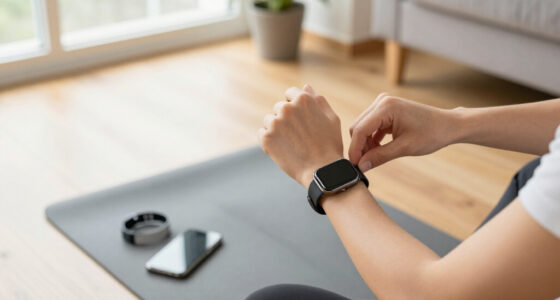
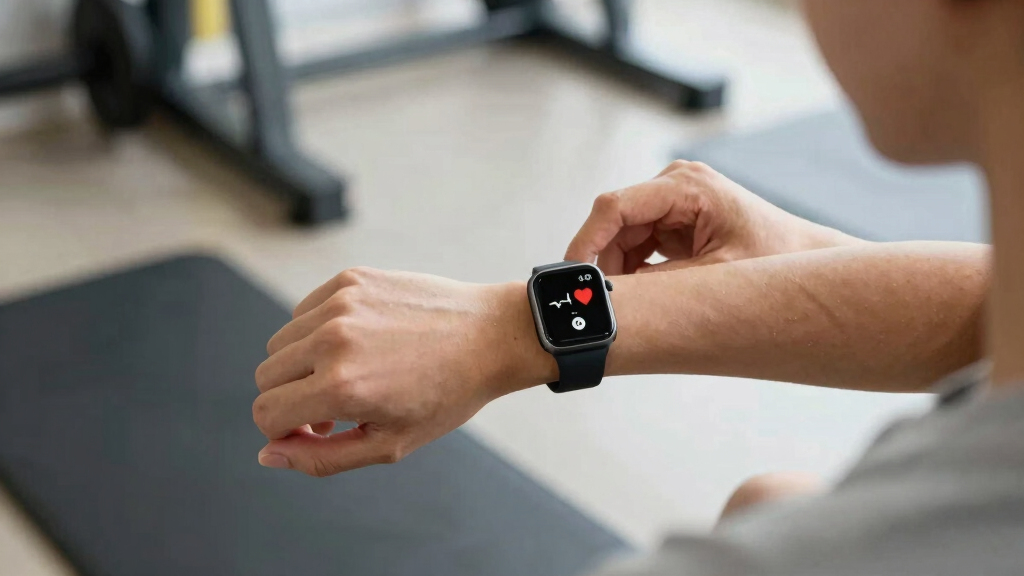
Ever glance at your smartwatch and wonder, how accurate is this heart rate reading? It turns out, most wearables use a technology called photoplethysmography (PPG)—a fancy term for shining a light into your skin and measuring blood flow changes. That tiny light and sensor combo can give you a decent estimate of your heart rate, but it’s not perfect.
If you rely on your smartwatch to monitor your fitness, or even keep tabs on your health, understanding its limits matters. In this guide, you’ll learn what affects accuracy, how modern devices are improving, and practical tips to get the best data. Whether you’re a casual runner or a tech enthusiast, this info helps you read your heart rate smarter, not just faster.
Smartwatch heart rate readings are generally reliable during rest and steady activity but less so during intense movements.
Proper fit and skin contact are vital for accurate measurements—snug but comfortable is best.
Recent tech advances, like ECG sensors and AI algorithms, are steadily improving accuracy but still aren’t replacements for medical devices.
Use smartwatch data as a trend indicator, not a definitive health diagnosis.
Regularly update your device and clean sensors to maintain the best possible accuracy.
How Do Smartwatches Measure Heart Rate? Think of it as a tiny flashlight and camera combo
Most smartwatches use photoplethysmography (PPG). Imagine shining a small LED light into your skin—darker skin tones or tattoos can block or distort that light, making readings less reliable. The sensor then detects how much light bounces back, which varies with blood flow. When your heart beats, blood rushes through your vessels, changing the light absorption.
Think of it like a tiny camera capturing your pulse in a dark room—if the light isn’t steady or the contact isn’t snug, the image blurs. That’s why fit matters. A loose watch or sweat can throw off readings, especially during high-intensity workouts.
Some newer devices include additional sensors—like ECG patches—that record electrical signals directly from your heart, offering higher accuracy for specific conditions. These enhanced sensors help bridge the gap between consumer wearables and medical-grade devices, providing more confidence in irregular heart rhythm detection or monitoring during critical moments.
As an affiliate, we earn on qualifying purchases.
What Factors Can Make Your Heart Rate Readings Less Reliable? Expect some surprises
Accuracy isn’t just about technology. It depends heavily on placement and fit. A loose strap or wrist movement during running can cause fluctuating data, which might lead to misinterpretations—such as false alarms or missed signals. This matters because inconsistent data can influence training decisions or health assessments, leading you to overtrain or overlook warning signs.
Other factors include skin tone and tattoos. Darker skin or inked skin can absorb or scatter light differently, leading to underestimations or overestimations. This can be particularly problematic in clinical or performance settings where precision is critical. Movement is another big one—jumping jacks or weightlifting can shake the watch or cause inconsistent readings, which might misrepresent your actual exertion level or heart health status.
Environmental conditions like temperature and ambient light can interfere too. Hot, sweaty days or bright sun might cause glitches, especially if your watch isn’t designed for outdoor sports or if the sensors are obstructed by sweat or dirt. Recognizing these limitations is crucial because they highlight the importance of consistent device placement and environmental awareness to improve reliability.
best fitness tracker with ECG sensors
As an affiliate, we earn on qualifying purchases.
As an affiliate, we earn on qualifying purchases.
How Accurate Are Smartwatch Heart Rate Readings Compared to Medical Devices? The truth in numbers
Multiple studies show that during rest or steady exercise, many smartwatches deliver heart rate data that closely matches clinical ECGs, with correlation coefficients around 0.9. This high correlation suggests that, under ideal conditions, these devices can serve as reasonably accurate tools for general health and fitness tracking. However, it’s important to understand why this matters: a high correlation means the device can reliably detect relative changes and trends, which are often more useful than absolute precision.
However, during intense activity or irregular movements, accuracy drops. Some research notes errors of up to ±10 beats per minute or more, which could be significant depending on the context. For example, during a HIIT workout, your device might show a spike that’s actually a misread caused by wrist movement, potentially leading to overestimations of exertion or misinterpretation of recovery status.
When compared to medical-grade devices, smartwatches are best used for trend tracking rather than precise diagnostics. Think of them as a helpful guide—valuable for monitoring general patterns but not suitable for diagnosing or managing serious health conditions without professional confirmation.
wearable heart rate accuracy testing device
As an affiliate, we earn on qualifying purchases.
As an affiliate, we earn on qualifying purchases.
What Are the Latest Improvements Making Smartwatch Heart Data More Trustworthy?
Recent models now mix multiple sensors—like combining PPG with ECG—to improve accuracy. Some include FDA-approved ECG features, letting you record single-lead heart tracings that are more precise and can help detect irregular rhythms like atrial fibrillation. These advancements mean users can get more reliable data directly from their watches, reducing false positives and improving early detection of issues.
Machine learning also plays a role. Devices analyze your personal data over time to better interpret signals, accounting for individual variability in skin tone, wrist size, and activity patterns. For example, a Fitbit might learn your typical resting heart rate and activity-related fluctuations, making its alerts more personalized and reducing false alarms. This adaptive capability increases confidence in the device’s readings, especially during complex or dynamic activities.
Manufacturers are pushing toward validation against medical standards, with some devices now cleared by regulatory agencies, signaling a significant step toward more trustworthy health info. These validations help bridge the gap between consumer devices and clinical diagnostics, providing users with more confidence in the data they rely on for health decisions.
fitness smartwatch with accurate heart rate
As an affiliate, we earn on qualifying purchases.
As an affiliate, we earn on qualifying purchases.
Can I Rely on My Smartwatch for Health Decisions? When to be cautious
While smartwatches can help you spot trends and early signs of irregularities, they aren’t substitutes for medical devices or professional advice. For instance, if your watch detects a consistently irregular heart rate, you should consult a healthcare provider—don’t self-diagnose. Ignoring persistent anomalies can delay diagnosis and treatment, potentially worsening health outcomes.
They’re useful for monitoring how your heart responds during workouts or daily activities, but not for diagnosing conditions. Recognizing the limitations of these devices is key: errors happen, especially during intense movements or if the device isn’t fitted properly. Relying solely on smartwatch data without clinical confirmation can lead to misinterpretation, unnecessary worry, or missed diagnoses.
Think of smartwatches as your health-aware buddy, not a medical lab. Use them to stay informed and motivated, but always seek professional medical advice for definitive health assessments or when symptoms are concerning. The goal is to complement, not replace, traditional healthcare tools and expertise.
Tips to Get the Most Accurate Heart Rate Data From Your Watch
- Ensure a snug fit—tight enough to stay in place without cutting off circulation. A proper fit reduces variability caused by movement or loose contact, leading to more consistent readings.
- Wear your watch higher on your wrist if possible, especially during workouts. This position often yields better sensor contact and less interference from wrist movement.
- Clean your sensors regularly—sweat, dirt, and lotions can interfere with readings. Clean sensors ensure unobstructed light transmission and signal accuracy.
- Limit sudden wrist movements during measurement—pause or rest if you need a steady read. Minimizing motion reduces artifacts and improves the reliability of the data.
- Update your device’s firmware—manufacturers often release improvements for accuracy. Staying current ensures you benefit from the latest algorithms and bug fixes.
- Use the device’s built-in features designed for fitness or health tracking rather than manual checks. These features are optimized for accuracy and consistency, providing better data for analysis.
Frequently Asked Questions
Are smartwatch heart rate readings accurate enough for fitness tracking?
Yes, most smartwatches provide reliable data for tracking your fitness trends and daily activity levels. They’re less accurate during high-impact workouts or irregular movements but excellent for general monitoring.Can I rely on my smartwatch for medical conditions?
Smartwatches are not medical devices. While they can flag irregularities like arrhythmias, they shouldn’t replace professional diagnostics. Always consult a healthcare provider if you’re concerned.Why do my smartwatch and manual pulse checks sometimes differ?
Manual checks can vary depending on timing and technique, while smartwatch sensors may be affected by fit, movement, or skin factors. Small differences are normal, but big discrepancies suggest rechecking your fit or device settings.Are some brands more accurate than others?
Generally, higher-end models with integrated ECG or FDA approval tend to be more precise. However, accuracy varies across devices and activities, so look for reviews and validation studies before relying solely on one brand.How can I improve my smartwatch’s heart rate accuracy?
Ensure a snug fit, keep sensors clean, minimize wrist movement during measurement, and update your device’s software regularly. These small steps make a big difference in data quality.Conclusion
Smartwatches are handy tools for keeping an eye on your heart’s rhythm, but don’t treat their readings as gospel. Think of them as a helpful mirror—showing trends, not exact numbers.
Stay curious, stay cautious, and remember: when in doubt about your health, a professional’s advice is your best bet. Your heart’s secrets are worth taking seriously, but they’re best read with a clear head and the right tools.
Halloween Picks
halloween
As an affiliate, we earn on qualifying purchases.