
TL;DR

Get workout gear delivered free with Prime
- Fast, free delivery on millions of items
- Prime Video, Amazon Music and more included
- Member-only deals all year
Short, high-intensity workouts, prioritizing consistency, and integrating movement into daily life help you stay on track. Recent research confirms that even 10-15 minute sessions can make a difference if done regularly.
Ever felt like your schedule is so packed that working out feels impossible? You’re not alone. The truth is, fitting exercise into a busy life isn’t about finding hours—it’s about making smart choices with the time you have. You can stay strong, healthy, and progressing, even if you only have 10 minutes here and there.
This guide breaks down how to turn tiny pockets of time into powerful workouts, without sacrificing your progress. Whether you’re juggling work, family, or other commitments, these strategies will help you stay active and motivated.
Focus on high-impact, compound movements for maximum efficiency in short sessions.
Incorporate HIIT to burn calories and boost fitness in minimal time.
Use micro-workouts and integrate activity into daily routines for consistent progress.
Plan workouts around your schedule with micro-scheduling tricks and reminders.
Prioritize recovery and nutrition to support your busy, active lifestyle.
Quick, Effective Workouts You Can Do in 10 Minutes
When time is tight, focus on high-impact, compound exercises that work multiple muscle groups at once. These exercises maximize effort in minimal time, making every second count. For example, squats engage your thighs, hips, and core; push-ups work your chest, shoulders, and triceps; and burpees combine cardio with strength. The reason these exercises matter is that they stimulate multiple systems simultaneously, leading to efficient calorie burn and muscle activation.
Performing these exercises in a circuit keeps your heart rate elevated, which enhances cardiovascular benefits while building strength. The tradeoff with such high-intensity routines is that they can be more demanding, so proper form and gradual progression are essential to prevent injury. Regularly doing these short but intense workouts can lead to significant improvements in endurance and muscle tone, especially when time is limited.
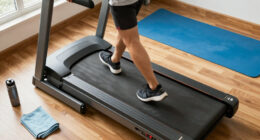
10-minute high-intensity workout equipment
As an affiliate, we earn on qualifying purchases.
As an affiliate, we earn on qualifying purchases.
Maximize Results with High-Intensity Interval Training (HIIT)
HIIT is particularly effective because it leverages the principle of exertion and recovery to push your cardiovascular system into overdrive, leading to greater fitness gains in less time. The intense bursts of activity, like sprinting, followed by brief rest, stimulate your heart and lungs more than steady-state cardio. This not only improves endurance but also burns calories at an accelerated rate during and after the workout—a phenomenon known as excess post-exercise oxygen consumption (EPOC).
Choosing shorter intervals, such as 30 seconds of high effort followed by 1-minute recovery, can be tailored to your fitness level. The key is that these sessions are scalable; you can increase intensity or duration as you progress. The tradeoff is that HIIT can be taxing, especially for beginners, so listening to your body and incorporating adequate rest days is crucial. Incorporating HIIT into your routine can lead to more noticeable improvements in cardiovascular health and fat loss, all within a tight schedule.
As an affiliate, we earn on qualifying purchases.
Comparison Table: Short Workouts vs. Longer Sessions
| Feature | Short Workouts (10-15 min) | Longer Workouts (45-60 min) |
|---|---|---|
| Time commitment | Minimal; easy to fit in, especially during busy days | Requires dedicated time, often less feasible daily |
| Frequency | High; can be performed daily or multiple times per week without overwhelming your schedule | Lower; often limited to weekends or specific days due to time constraints |
| Effectiveness | When performed consistently, can maintain or improve cardiovascular health and strength, especially with high effort | Provides greater overall gains if performed regularly, including muscle hypertrophy and endurance |
| Flexibility | High; can be done anywhere, anytime, even at home or during breaks | Lower; needs dedicated space and longer periods, which may limit spontaneity |
| Motivation | More achievable for busy lives, reduces mental barrier to starting | Requires planning, longer commitment, and often more mental effort to stay consistent |
Choosing between short and long sessions depends on your goals and schedule. Ideally, blending both can optimize your fitness journey—short sessions for consistency and longer ones for building endurance and strength.
As an affiliate, we earn on qualifying purchases.
Make Movement Part of Your Daily Routine
Incorporating movement into your daily routine is about creating habits that make activity effortless. For instance, taking the stairs instead of the elevator targets your leg muscles and boosts cardiovascular health without requiring extra time. Walking or biking for errands increases your overall activity level and helps break up sedentary periods. Small actions like stretching during breaks or doing calf raises while waiting can prevent stiffness and promote circulation. These behaviors matter because they cumulatively contribute to your daily caloric expenditure and muscle engagement.
The implications are significant: by embedding movement into everyday activities, you reduce the mental barrier of ‘finding time’ and make fitness a seamless part of life. The tradeoff is that these movements are less intense than dedicated workouts, but their consistency can lead to meaningful health benefits over the long term. Think of it as multiplying your active minutes without overhauling your schedule—effective, sustainable, and easy to maintain.
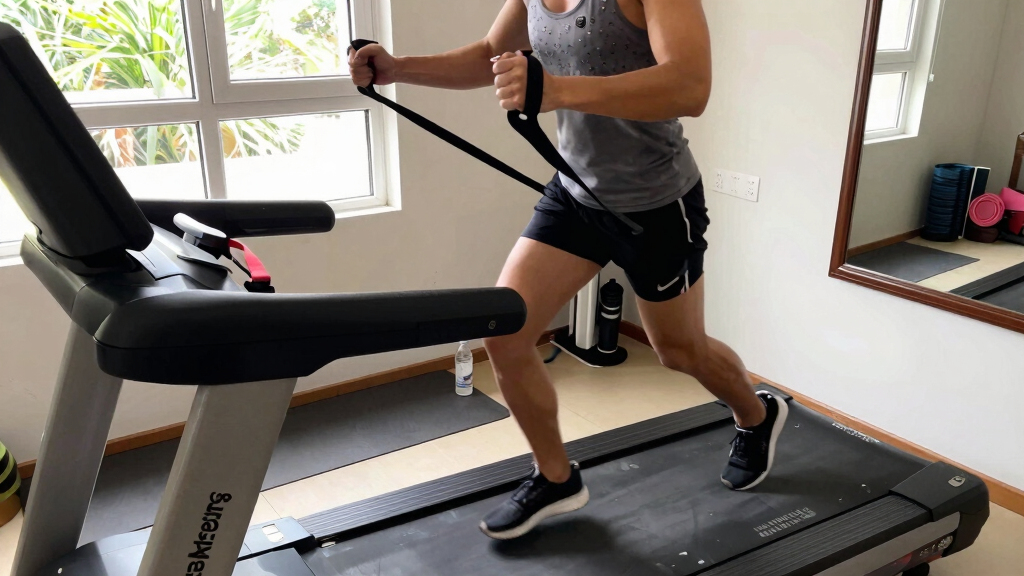
exercise resistance bands for quick workouts
As an affiliate, we earn on qualifying purchases.
As an affiliate, we earn on qualifying purchases.
Smart Scheduling and Prioritization: Your Secret Weapons
Effective scheduling transforms scattered free moments into productive exercise opportunities. Recognizing tiny windows—like 5-minute gaps before meetings or during coffee breaks—and turning them into mini-workouts can significantly impact your progress. Prioritizing these moments signals to your brain that movement is a non-negotiable, fostering consistency. Strategies such as setting alarms, preparing workout clothes in advance, or scheduling active breaks just like meetings make the plan concrete and actionable. These habits combat the common obstacle of perceived lack of time by making activity a habitual part of your routine.
The tradeoff here is that without intentional planning, it’s easy to let these moments slip away. But with a little foresight, these micro-sessions add up, maintaining momentum and preventing fitness from falling by the wayside during busy periods. For example, a professional might do a quick set of push-ups and squats during transition times, turning brief pauses into meaningful movement. This approach leverages the small pockets of time that might otherwise be wasted, turning them into stepping stones toward your fitness goals.
Recovery and Rest Are Still Key
Even short workouts demand proper recovery to maximize benefits and prevent injury. Overtraining, regardless of session length, can lead to fatigue, soreness, and burnout—especially if you push too hard without adequate rest. Active recovery, such as light stretching, yoga, or walking, helps facilitate muscle repair and maintain flexibility. These lighter activities improve circulation, reduce stiffness, and prepare your body for upcoming sessions, which is essential for consistent progress.
Supporting your workouts with good sleep, hydration, and nutrition amplifies their effectiveness. For example, consuming enough protein aids muscle repair, while quality sleep resets your energy levels and hormonal balance. Without proper recovery, even the most diligent efforts can plateau or lead to setbacks. Think of recovery as a silent partner in your fitness journey—necessary for sustainable progress and injury prevention. Prioritizing rest doesn’t mean losing momentum; it’s about ensuring your body is prepared to perform at its best each time.
Use Technology to Keep You on Track
Technology tools like fitness apps, smartwatches, and on-demand workout videos are invaluable for busy schedules because they provide structure and accountability. They can remind you to exercise, track your progress, and offer motivation through gamification or social sharing. For instance, a 7-minute workout app guides you through a series of exercises with timers and cues, making it easy to follow even without prior experience. These tools help you stay consistent by reducing decision fatigue—eliminating the need to plan every detail yourself.
The implication is that technology transforms sporadic efforts into consistent habits. By providing immediate feedback and reminders, these tools help you overcome common barriers like forgetfulness or lack of motivation. The tradeoff is that reliance on technology can sometimes lead to distraction, so it’s important to choose apps and devices that genuinely support your goals. When used wisely, these tools can make your busy life more manageable and your workouts more effective, keeping you engaged and accountable over the long term.
Frequently Asked Questions
How can I fit workouts into a packed schedule without sacrificing progress?
Prioritize short, high-intensity routines that target multiple muscle groups. Use micro-workouts during breaks or between tasks, and plan ahead to make movement a non-negotiable part of your day.What are the most effective exercises I can do in 10-15 minutes?
Focus on compound movements like squats, push-ups, lunges, and planks. These exercises engage multiple muscles and deliver maximum benefit in minimal time.Are short workouts really enough to maintain or improve my fitness?
Yes, if done consistently and with intensity. Research shows that regular 10-15 minute sessions, especially when combining strength and cardio, can maintain and even improve fitness levels.How do I stay motivated when I have limited time?
Set small, achievable goals and track your progress. Use technology for reminders, and remember that every little effort adds up. Celebrate your consistency, not just big results.What are some quick routines I can do at home or at work?
Try a circuit of bodyweight exercises: 10 push-ups, 15 squats, 20 lunges, and a 30-second plank. Do this twice, and you’ve got a complete 10-minute session that energizes your day.Conclusion
Staying active with a packed schedule isn’t about squeezing hours into your day. It’s about making every minute count. Short, focused workouts, smart planning, and consistent movement keep your progress alive.
Imagine your daily routine as a series of small wins — each one building toward a healthier, stronger you. Your busy life is no obstacle; it’s an opportunity to get creative with your fitness.
Fall Picks
fall essentials
As an affiliate, we earn on qualifying purchases.