TL;DR

Get workout gear delivered free with Prime
- Fast, free delivery on millions of items
- Prime Video, Amazon Music and more included
- Member-only deals all year
Kettlebells are essential in every home gym because they combine strength, cardio, and functional training in a compact, affordable package. Recent research highlights their effectiveness for improving overall fitness, making them a smart investment for any fitness enthusiast.
Imagine transforming your living space into a personal gym with just one piece of equipment. That’s the power of a kettlebell. Compact, versatile, and surprisingly effective, kettlebells can turn any corner of your home into a hub of health. Whether you’re squeezing in a quick workout during lunch or winding down after work, a kettlebell can fit seamlessly into your routine.
This blog will explore why kettlebells are a game-changer for your home gym. We’ll cover their benefits, recent innovations, and practical tips to get started. If you’re serious about making your workouts smarter, not harder, keep reading.
Kettlebells save space and money while offering a full-body workout in one piece of equipment.
They target multiple muscle groups simultaneously, boosting strength, endurance, and cardiovascular health.
Starting with lighter weights and proper technique is crucial for safe, effective training.
Kettlebell exercises are simple enough for beginners but scalable as you progress.
Safety and consistency are the keys to long-term kettlebell success.
Home gym field guide · 2026
Why Kettlebells Belong in Every Home Gym
One compact tool can combine strength, conditioning, mobility and functional movement. A kettlebell turns a few feet of open floor into a scalable training space—without the cost or footprint of bulky machines.
A small footprint with outsized range
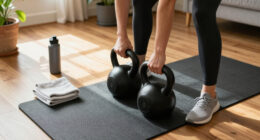
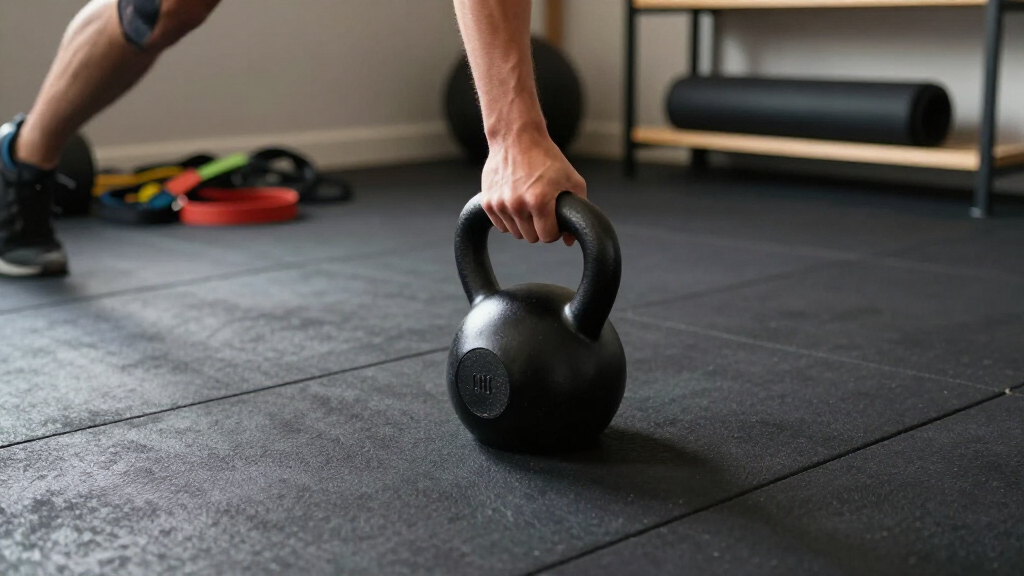
A kettlebell sits under a desk, beside a sofa or in a closet, yet supports movements that challenge nearly every major muscle group. That makes it unusually well suited to apartments, spare rooms and multipurpose spaces.
Compound loading
Squats, presses, cleans and carries train multiple muscle groups together instead of isolating one joint at a time.
Cardio without a machine
Continuous swings and complexes elevate heart rate while building strength, making short sessions more productive.
Real-world movement
Hinging, bracing, lifting and carrying reinforce the coordination used in everyday physical tasks.
Strength through range
Goblet squats, halos and controlled presses can develop usable mobility alongside muscular control.
Fewer purchases
One well-chosen bell can cover many roles, lowering the cost of building a capable home training setup.
Simple to scale
Increase repetitions, improve control, shorten rest or move to a heavier bell as your technique develops.
The Swiss Army knife of fitness
The value is not simply the number of exercises available. It is the way one movement can train strength, power, coordination and cardiovascular capacity at the same time.
12 kgA versatile reference weight
A single compact kettlebell can support swings, squats, presses, rows, carries and mobility drills—then disappear into a corner when training ends.
Three staples, one complete foundation
Start with a small movement library and learn it well. These three exercises cover the hinge, squat and press patterns that anchor many effective kettlebell programs.
| Exercise | Primary muscle groups | Training effect | Cardio | Strength | Mobility |
|---|---|---|---|---|---|
| Swing | Hips, glutes, hamstrings, core | Explosive hip power and posterior-chain endurance | Strong | Strong | Supportive |
| Clean & Press | Shoulders, arms, back, core, hips | Full-body power with overhead stability | Moderate | Strong | Supportive |
| Goblet Squat | Quadriceps, glutes, core, upper back | Lower-body strength and controlled depth | Moderate | Strong | Strong |
Technique first · Controlled repetitions outperform rushed volume
Easy to begin. Built to grow with you.
Kettlebell training rewards gradual improvement. The goal is not immediate exhaustion; it is repeatable practice that turns good movement into stronger movement.
Choose control
Select a weight you can move smoothly while maintaining a braced core and stable spine.
Build the pattern
Practice the hinge, squat and press with reliable instruction and deliberate repetitions.
Create consistency
Use short, regular sessions to improve coordination, work capacity and confidence.
Add challenge
Increase load, repetitions or complexity only after technique remains stable under fatigue.
Pick the bell you can master
The right starting weight should feel challenging but controllable. If posture breaks, movement becomes jerky or the bell pulls you off balance, reduce the load.
Beginner weight spectrum
Exercise choice matters: a weight that feels manageable for a two-handed squat may be too heavy for a one-arm press. Treat the range as a starting reference, not a universal prescription.
Warm up first
Prepare the hips, shoulders and core before adding speed or load.
Film your form
Use a mirror, recording or qualified coach to catch technique errors early.
Respect pain
Stop when movement causes pain, and allow recovery between demanding sessions.
Smarter training starts with one bell.
Kettlebells save space and money while supporting full-body training.
Compound movements build strength, endurance and cardiovascular capacity together.
Lighter starting weights and careful technique create the safest path to progress.
Simple exercises scale through better form, more volume and gradually heavier loads.
Consistency, recovery and pain-free movement are the foundations of long-term success.
Why a kettlebell is your space-saving workout buddy
Kettlebells are the perfect choice for small spaces. Unlike bulky gym machines, they sit quietly in a corner or under the bed. A 12 kg kettlebell can replace multiple pieces of equipment—dumbbells, resistance bands, even some cardio machines—saving you space and money.
Picture this: a kettlebell on your apartment balcony, ready for a quick swing as the city hums in the background. It’s portable, durable, and ready to go whenever you are. Want to do a full-body workout? Just grab your kettlebell and start swinging, squatting, or pressing.
As an affiliate, we earn on qualifying purchases.
How kettlebells boost your fitness with one tool
Kettlebells combine strength, cardio, and flexibility training in a single piece of equipment. Think of the kettlebell swing: it’s a dynamic movement that works your hips, core, shoulders, and legs—all at once. This multi-muscle engagement is what makes kettlebell training highly efficient, allowing you to maximize workout benefits in a limited time. An anonymous researcher notes that a single swing session can burn up to 20 calories per minute, but the true value lies in its compound movement nature—working multiple muscle groups simultaneously enhances muscular coordination and functional strength.
Engaging multiple muscle groups in a single exercise like the kettlebell swing is crucial because it reflects real-world movements—lifting, bending, twisting—that require coordinated effort across different parts of your body. This integration not only improves your muscular endurance but also enhances your body’s ability to perform daily tasks, reducing the risk of injury. The tradeoff is that mastering proper form is crucial; poor technique can lead to ineffective workouts or injuries. Therefore, investing time in learning correct form ensures you reap full benefits while minimizing risks.
Here’s a quick overview of common kettlebell exercises:
| Exercise | Targeted Muscle Groups | Benefits |
|---|---|---|
| Swing | Hips, glutes, hamstrings, core | Cardio + posterior chain strength |
| Clean & Press | Shoulders, arms, core | Full-body power and functional strength |
| Goblet Squat | Quadriceps, glutes, core | Lower body strength + mobility |
Think of it as a Swiss Army knife for fitness—one tool that does many jobs well, but only if used correctly. Proper technique amplifies benefits and minimizes risks, making mastery of form an essential part of your training.
As an affiliate, we earn on qualifying purchases.
Why beginners love kettlebells—easy to start, hard to stop
Many new gym-goers feel overwhelmed by complex machines or free weights. Kettlebells are straightforward. You start with simple moves like swings or goblet squats, then build up. An anonymous trainer notes that beginners can see progress within weeks, boosting motivation. This simplicity means you can focus on mastering fundamental movements without feeling intimidated by complicated equipment or techniques.
Starting with a lighter weight, say 8 or 12 kg, and focusing on form is key. Online tutorials and virtual coaching can help you master techniques without risking injury. The best part? You get a full-body workout without needing multiple pieces of equipment. This accessibility reduces the barrier to entry, encouraging consistency and long-term adherence, which are critical for seeing results.
Engaging in a routine that emphasizes small, consistent improvements helps build confidence and establishes a habit. When beginners see tangible progress—like increased reps or better form—they’re more likely to stay committed. This gradual approach also allows your body to adapt safely, reducing the risk of burnout or injury, and making fitness a sustainable part of your lifestyle.
As an affiliate, we earn on qualifying purchases.
How to pick the right kettlebell size for you
Choosing the right kettlebell size depends on your strength level and exercise goals. For most beginners, 8-12 kg (18-26 lbs) is a good starting point. If you’re stronger or aiming for more advanced moves, 16 kg (35 lbs) or heavier might be suitable. Selecting the appropriate weight ensures you can perform exercises with proper form, which is essential for effective training and injury prevention.
Assessing your current strength and goals is essential because starting with a weight that’s too heavy can lead to poor form and potential injury, while too light may not provide enough challenge to stimulate progress. Think of it as laying a solid foundation—if your initial choice is too unstable or unbalanced, your entire workout quality suffers. By choosing an appropriate weight, you set yourself up for consistent improvement, reducing frustration and increasing motivation to train regularly.
Here’s a quick step-by-step to find your match:
- Assess your current strength—can you perform 10-15 bodyweight squats comfortably? If not, start lighter.
- Select a weight that challenges you without compromising form—your goal is controlled, deliberate movement, not exhaustion.
- Start with lighter weights if you’re new, then gradually increase as your strength and technique improve.
- Focus on technique over heaviness. Proper form prevents injuries and ensures you target muscles correctly, leading to better results over time.
Remember, choosing the right kettlebell is not just about immediate challenge but about creating a sustainable path for progress. Incremental increases in weight, combined with proper form, will keep your workouts effective and safe, fostering confidence as you advance in your fitness journey.
As an affiliate, we earn on qualifying purchases.
Safety tips to keep your kettlebell workouts injury-free
Kettlebell safety hinges on proper technique and listening to your body. Always warm up before lifting and start with lighter weights. Focus on form: keep your back flat, engage your core, and move smoothly. Recognizing early signs of fatigue or discomfort is crucial—pushing through pain can lead to injury and setbacks.
According to an anonymous safety expert, many injuries happen when people rush or use weights that are too heavy. To prevent this:
- Learn proper technique from certified trainers or reputable online sources. Investing time in form reduces injury risk and accelerates progress.
- Use a mirror or record yourself to check your form. Visual feedback helps correct mistakes before they become ingrained habits.
- Don’t ignore pain—pause or stop if something feels off. Pushing through pain often exacerbates injuries, leading to longer downtimes.
- Allow your muscles to recover between sessions. Rest is essential for muscle repair and strength gains.
Injury-free workouts are sustainable and foster long-term consistency. Remember, gradual progression, mindful execution, and listening to your body are the cornerstones of safe kettlebell training.
Frequently Asked Questions
Are kettlebells suitable for beginners?
Yes, kettlebells are beginner-friendly when you start with lighter weights and focus on proper form. Online tutorials and basic routines make it easy to learn safe, effective movements.
What size kettlebell should I start with?
Most beginners find 8-12 kg (18-26 lbs) comfortable to start with. Choose a weight that challenges you but allows you to maintain good technique—gradually increase as you gain strength.
How do I learn proper kettlebell technique?
Seek guidance from certified trainers, reputable online videos, or instructional courses. Starting slow and focusing on form helps prevent injuries and builds confidence.
Can kettlebell training help with weight loss?
Absolutely—kettlebell workouts are high-intensity and burn a lot of calories in a short period, supporting fat loss and improved cardiovascular health.
Are kettlebells safe?
When used with proper technique and appropriate weight, kettlebells are safe. Always listen to your body and consider consulting a professional if you’re new to strength training.
Conclusion
A single kettlebell can transform your home workouts into a powerhouse of efficiency. Its versatility, space-saving design, and proven benefits make it a must-have in any home gym. The next time you see one gathering dust, remember: this small tool packs a big punch for your health and strength.
Pick a weight, learn the moves, and start swinging. Your body will thank you, and your space will thank you too.
Fall Picks
fall essentials
As an affiliate, we earn on qualifying purchases.