TL;DR

Get workout gear delivered free with Prime
- Fast, free delivery on millions of items
- Prime Video, Amazon Music and more included
- Member-only deals all year
Regular lubrication is the most impactful maintenance step for extending gym equipment life. When done consistently, it can boost lifespan by 30-50%, reducing costly repairs and replacements. Modern tools make this easier than ever.
You’ve invested in a home gym because you want to stay fit and save money. But without proper care, your equipment can wear out faster than you think. The good news? There’s one simple maintenance step that can practically double its lifespan.
Many people overlook routine lubrication, yet it’s the secret weapon against wear and tear. This article will show you why lubrication matters, how often to do it, and how modern tech makes it easier. Keep reading if you want your gear to last longer and perform better.
Routine lubrication can extend your gym equipment’s lifespan by 30-50%.
Consistent maintenance prevents costly repairs and early replacements.
Use the right lubricant for each part—silicone for belts, synthetic for high-performance gear.
Modern tools like IoT sensors and automated systems make maintenance easier and more precise.
Regular inspections and logs help catch issues early and keep your gear running smoothly.
Why lubrication is the secret to long-lasting gym equipment
Lubrication is the process of applying oils or greases to moving parts to reduce friction. When you skip this step, metal parts grind against each other, causing heat, wear, and early failure. Think of it like oiling your bike chain—skip it, and it squeaks, rusts, and wears out faster.
By lubricating your equipment, you minimize direct metal-to-metal contact, which is the primary cause of wear. This reduces heat buildup that can warp or damage parts over time. If neglected, these small issues compound, leading to costly repairs or replacements. Proper lubrication acts as a protective barrier, ensuring smoother operation and reducing the stress on components. The tradeoff is that neglecting this step accelerates deterioration, forcing you to replace equipment sooner—something easily avoidable with routine care. In essence, lubrication preserves the integrity of your gear, saving you money and downtime in the long run.
As an affiliate, we earn on qualifying purchases.
How often should you lubricate your gym gear? A clear schedule
The frequency of lubrication depends on how often you use your equipment and the manufacturer’s recommendations, but a good rule of thumb is:
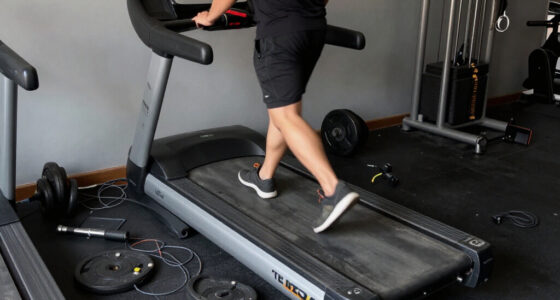
- Weekly for high-use machines like treadmills or rowing machines, because continuous operation generates more friction and heat, accelerating wear if not maintained.
- Monthly for less-used equipment like weight machines or ellipticals, as infrequent use means less wear but still benefits from regular lubrication to prevent corrosion and stiffness.
- After cleaning or if you notice squeaking or unusual noises, regardless of schedule, as these are early indicators of insufficient lubrication or dirt build-up.
For example, if you work out daily on your treadmill, lubricate every week to prevent cumulative heat and friction damage that can shorten its lifespan significantly. Conversely, a rarely used elliptical might only need monthly attention, but neglecting this can cause parts to seize or degrade prematurely. Setting a reminder aligned with your workout schedule helps establish a consistent habit, ensuring your equipment remains in optimal condition. Remember, adhering to the manufacturer’s specific guidelines for lubricants and intervals ensures maximum effectiveness and avoids potential damage caused by improper products or application frequency.
As an affiliate, we earn on qualifying purchases.
Compare common lubricants: Which one is best for your home gym?
| Type of Lubricant | Best For | Pros | Cons |
|---|---|---|---|
| Silicone-based | Belts, rollers, plastic components | Long-lasting, doesn’t attract dust, resists moisture which prevents corrosion, making it ideal for parts exposed to sweat or humidity. | More expensive, needs careful application to avoid overuse which can cause slippage or messiness. |
| Mineral oil | Metal-on-metal parts | Affordable, easy to find, penetrates well into tight spaces, providing effective lubrication for moving metal parts. | Requires frequent reapplication as it can evaporate or wash away, and it attracts dust which can accelerate wear if not cleaned regularly. |
| Synthetic lubricants | High-performance equipment or parts subjected to extreme conditions | Durable, withstands high temperatures and heavy loads, reduces friction more effectively over longer periods. | Higher cost, requires proper handling to avoid over-application, and some formulations may be incompatible with certain plastics or rubber parts. |
Choosing the right lubricant is about understanding your equipment’s needs and usage patterns. Using a lubricant that matches the operational demands helps prevent premature wear, squeaks, or damage. For most home gyms, a silicone-based spray offers a good balance—long-lasting, easy to apply, and resistant to moisture, making it suitable for belts and rollers that are exposed to sweat or humidity. However, for metal-on-metal parts, mineral oil might be more appropriate, provided you reapply it regularly. Synthetic options are best for high-performance or specialized equipment, where durability and extreme condition resistance justify the higher cost. The right choice minimizes maintenance frequency and maximizes equipment longevity, which is the ultimate goal.
As an affiliate, we earn on qualifying purchases.
What happens if you ignore lubrication? Real-world consequences
Ignoring routine lubrication doesn’t just cause minor inconveniences; it significantly shortens the lifespan of your equipment. When parts aren’t properly lubricated, friction increases, leading to faster wear, overheating, and eventual failure. For example, a neglected rowing machine’s chain may develop excessive friction, causing it to seize or break prematurely—often within 2 years instead of the typical 5 or more. This not only results in costly repairs but also downtime that interrupts your fitness routine. Moreover, the accumulated heat and stress can warp or damage components beyond simple repair, sometimes requiring complete replacement. The real-world implication is that neglecting lubrication is a false economy; it might save a few minutes or dollars initially but leads to bigger expenses later. Recognizing early signs like squeaking, increased resistance, or unusual noises can help you catch issues before they escalate. Regularly inspecting your gear for these symptoms and addressing them promptly prevents costly breakdowns and keeps your equipment performing reliably for years.
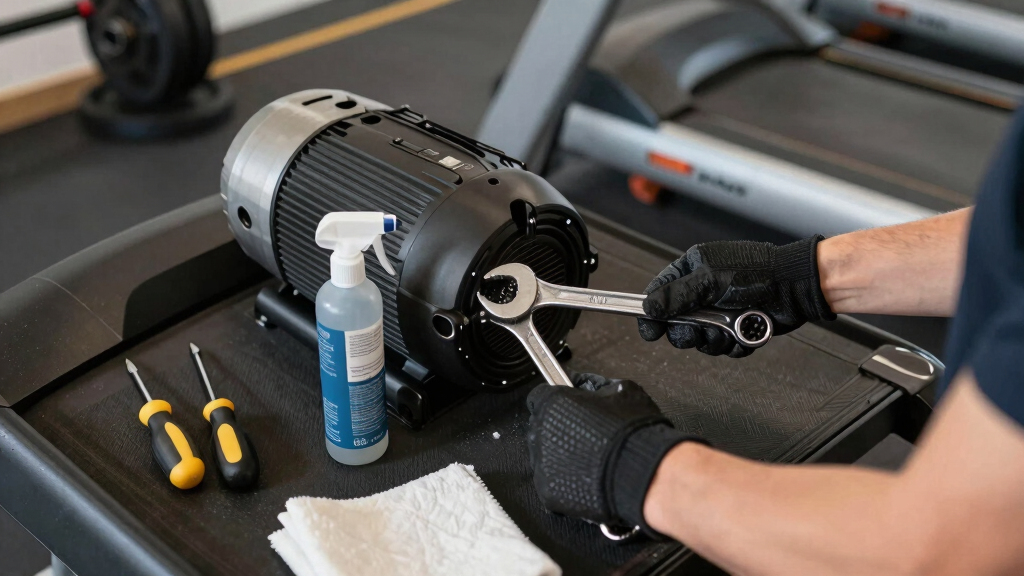
home gym equipment maintenance kit
As an affiliate, we earn on qualifying purchases.
As an affiliate, we earn on qualifying purchases.
Modern tools that make lubrication easier and smarter
Today’s tech innovations are transforming how we maintain our gym equipment. IoT sensors embedded in machines can monitor vibration patterns, temperature fluctuations, and wear levels, providing real-time data that predicts when lubrication or maintenance is needed. These insights allow for proactive interventions, preventing breakdowns before they happen. Automated lubrication systems take this a step further by applying precise amounts of oil or grease at scheduled intervals or in response to sensor alerts, reducing human error and ensuring consistent care. For instance, some smart gym systems come equipped with sensors that track lubrication status and notify you via smartphone apps when it’s time to service. This integration of technology helps extend the life of your equipment, minimizes downtime, and ensures optimal performance. Embracing these tools means you can maintain your gear with confidence, reducing guesswork and making your routine more efficient—ultimately saving money and effort while preserving your investment.
Using these advanced tools means less guesswork and more reliable maintenance schedules. They help catch issues early, often before you notice any symptoms, which means your equipment stays in top shape longer. As a result, you enjoy a smoother workout experience with fewer interruptions and lower long-term costs. The tradeoff is the initial investment in technology, but the payoff is a longer-lasting, more dependable gym setup that keeps you motivated and injury-free.
Simple steps to set up your own maintenance routine
Getting started is easy. Here’s a quick plan:
- Read your equipment manual for specific lubrication instructions.
- Create a calendar reminder—weekly or monthly, based on use.
- Gather the right lubricants and cleaning supplies.
- Implement a quick inspection routine before and after workouts to listen for noises or issues.
- Keep a log of maintenance dates and observations.
For example, you might set a reminder every Sunday evening to lubricate your treadmill’s belt and rollers. Over time, this becomes a habit that keeps your equipment performing like new. Establishing a routine ensures that maintenance becomes a seamless part of your workout schedule, preventing neglect and costly repairs. The key is consistency—regular checks and lubrication prevent small issues from turning into major problems, saving you money and extending your equipment’s usability.
Frequently Asked Questions
How do I know if my equipment needs lubrication?
Listen for squeaking, grinding, or unusual noises. Feel for increased resistance or heat. Visual signs like dust buildup or corrosion also indicate it’s time to lubricate.
Can I use household oils on my gym equipment?
It’s best to use lubricants designed for gym gear. Household oils like WD-40 are not ideal—they can attract dust or damage plastics. Always check your manual for recommended products.
How long does a typical lubrication session take?
Most routines take about 10-15 minutes. Regular, brief check-ins are far more effective than infrequent, lengthy maintenance sessions.
Is there any risk in over-lubricating?
Yes, applying too much can attract dirt or cause slippage. Use sparingly and wipe off excess to keep parts clean and functioning smoothly.
What’s the biggest mistake people make with gym gear maintenance?
Neglecting regular lubrication and ignoring early warning signs. Small issues snowball into costly repairs or early replacements.
Conclusion
One simple habit—regular lubrication—can significantly extend the life of your home gym gear. It’s a small investment of time that pays off in durability, safety, and savings.
Imagine your equipment running smoothly for years, quietly and reliably, saving you hundreds or even thousands over time. The secret is in that routine, so start today—and enjoy the workout without worry.
Halloween Picks
halloween
As an affiliate, we earn on qualifying purchases.