TL;DR

Get workout gear delivered free with Prime
- Fast, free delivery on millions of items
- Prime Video, Amazon Music and more included
- Member-only deals all year
Weight capacity numbers indicate the maximum weight equipment is designed to handle safely. They are based on rigorous testing and include safety margins. Always follow the ratings to prevent damage or injury.
Ever wonder what those numbers on your home gym or equipment labels really mean? It’s not just a random figure. Understanding the true meaning of “weight capacity” helps you avoid accidents and keeps your workouts safe. Whether you’re lifting weights or using a treadmill, knowing what these ratings imply can make a big difference.
This guide breaks down what “weight capacity” actually signifies, how manufacturers determine it, and what you should keep in mind when using your gear. Because in the end, respecting these limits protects your body and your equipment.
Weight capacity numbers are based on engineering tests with built-in safety margins, not just guesses.
Always distinguish between static and dynamic capacities—your workout moves matter.
Exceeding rated capacity risks damage and injury; never push beyond the limits.
Regular maintenance and inspection extend your equipment’s lifespan and safety.
Use capacity labels as a guide, not a challenge—respect the limits to stay safe.
What Does ‘Weight Capacity’ Actually Mean?
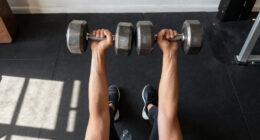
“Weight capacity” is the maximum weight an equipment is designed to support during normal use. It’s based on rigorous testing and safety standards. For example, a set of dumbbells labeled with a 50 lbs capacity means the dumbbell’s structure can handle that weight safely, not necessarily what you should lift every day.
This number isn’t just a suggestion; it’s a limit backed by engineering, materials, and safety margins. It covers static loads—standing still—and often considers dynamic forces when moving or lifting.
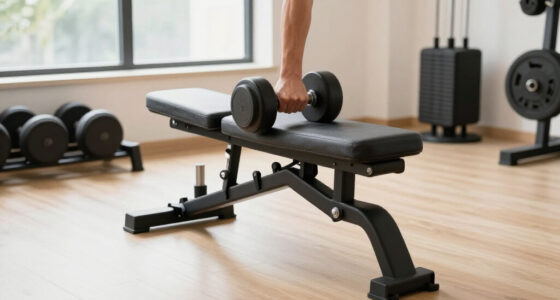
Understanding why this matters is crucial: exceeding the weight capacity can lead to catastrophic failure. For example, if a weight bench collapses because it’s overloaded, it can cause serious injuries. Conversely, knowing the limit helps you plan your workouts to stay within safe boundaries, avoiding unnecessary wear and tear on your equipment, which can extend its lifespan and maintain safety.
weight capacity labels for home gym equipment
As an affiliate, we earn on qualifying purchases.
As an affiliate, we earn on qualifying purchases.
How Do Manufacturers Decide These Numbers?
Manufacturers use a mix of engineering tests, high-strength materials, and safety margins to set capacity ratings. For example, a weight bench rated for 600 lbs undergoes stress tests that simulate regular and extreme use, then adds a safety buffer—often around 20-25%. That way, even if you accidentally put a little more weight or have a shaky setup, the equipment stays safe.
Think of it like a bridge: it’s built to handle more than the normal traffic load, so it stays safe even during unexpected spikes. This approach accounts for real-world variables—like uneven weight distribution or accidental jolts—that can stress equipment beyond nominal loads. Ignoring these safety margins can result in sudden failure, which might cause injuries or costly repairs. Therefore, understanding how these ratings are determined helps you appreciate the importance of respecting them and choosing equipment that’s appropriately rated for your intended use.
dumbbells with maximum weight capacity
As an affiliate, we earn on qualifying purchases.
As an affiliate, we earn on qualifying purchases.
What Are the Latest Trends in Capacity Ratings?
New materials and tech mean some equipment can now support more weight without getting bulkier. High-strength alloys and composites are making their way into gym gear and industrial tools, pushing capacity limits higher.
Smart features like digital load indicators and IoT sensors also help you monitor how much weight you’re putting on a machine in real time. These innovations boost safety, but the core message remains: always respect the rated capacity.
For instance, a smart squat rack might warn you if you’re approaching its 1,000 lbs limit, helping prevent overloads before they happen. Recognizing these technological advances is important because they can significantly improve safety margins and user awareness. However, they should complement, not replace, your understanding of the rated limits. Overreliance on tech without respecting the fundamental ratings can still lead to accidents. Staying informed about these trends allows you to make better decisions about equipment selection and usage, ensuring safety keeps pace with innovation.
As an affiliate, we earn on qualifying purchases.
What You Need to Know About Overloading Equipment
Exceeding the rated weight capacity is a quick way to risk damage or injury. Think of it like overloading a boat—just because it floats with a little extra weight doesn’t mean it’s safe. The same applies to gym equipment, lifting gear, or furniture.
For example, if a weight machine is rated for 300 lbs, adding an extra 50 lbs can strain the frame and components. Over time, this can cause cracks, malfunctions, or sudden failure. The implications are serious: equipment failure during use can cause falls, strains, or worse. Additionally, consistently overloading can weaken the structural integrity over time, leading to a higher risk of unexpected breakdowns, which can be costly and dangerous.
Always stick to the specified limits. If your needs change, consider equipment rated higher for safety’s sake. Recognizing the tradeoff between capacity and cost or size is important: higher-rated equipment is often more durable, but also more expensive. Balancing your needs with safety considerations ensures you don’t compromise your health or your investment.
As an affiliate, we earn on qualifying purchases.
Interpreting Labels and Making Smart Choices
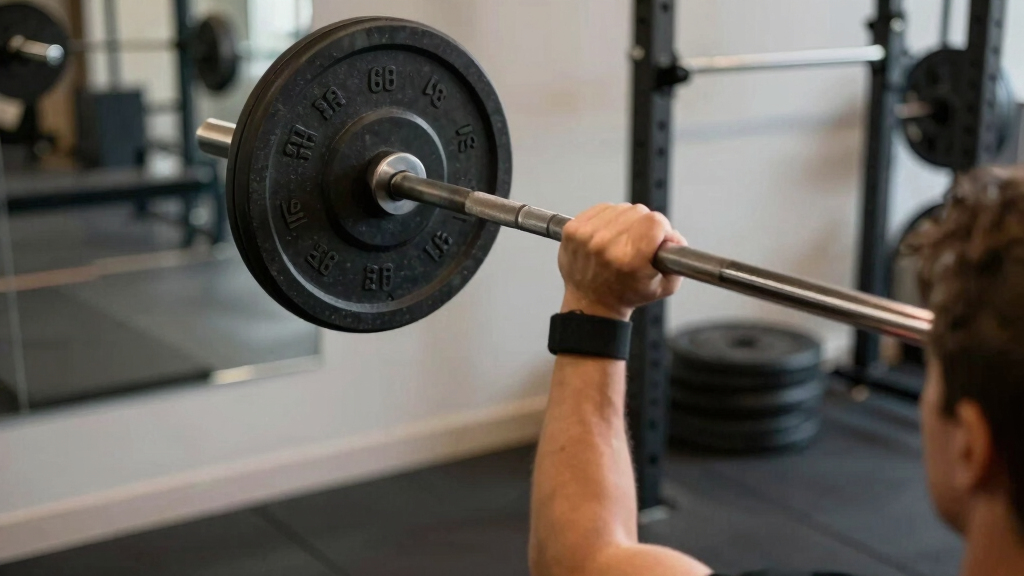
When you see a weight capacity label, read it carefully. Is it static or dynamic? Static capacity refers to the weight when the equipment is still—like a weight bench holding a barbell. Dynamic capacity considers movement—like a treadmill or a lifting machine in action.
For example, a treadmill might list a maximum user weight of 300 lbs, but that’s the static capacity. Running or jumping could put extra forces on the frame, so it’s wise to stay well below that number. Misinterpreting these ratings can lead to unsafe situations; for instance, assuming the static capacity covers all dynamic stresses may cause overload during vigorous activity.
Remember, these labels are your safety guidelines. Always choose equipment rated for your weight and use it as intended. Proper interpretation not only prevents accidents but also helps you select gear that will perform reliably under your typical workout conditions, thus avoiding premature wear or failure.
How to Keep Your Equipment Safe and Reliable
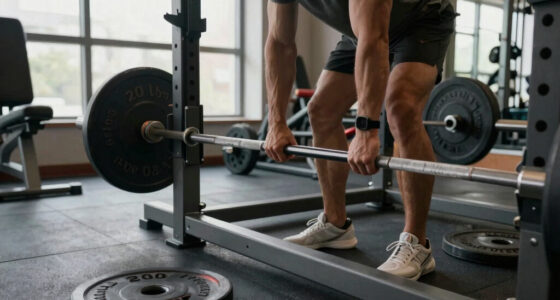
Maintaining your gear is just as important as respecting its ratings. Regular inspections for cracks, loose bolts, or wear-and-tear keep the equipment working safely. For instance, a weight rack with rust or bent bars should be replaced or repaired before use.
Follow maintenance schedules recommended by manufacturers. Clean and lubricate moving parts, and don’t overload equipment during workouts. Neglecting maintenance can lead to unnoticed damage that worsens over time, increasing the risk of sudden failure when you least expect it. Proper care ensures that the equipment continues to perform within safe limits, reducing the likelihood of accidents and extending its lifespan.
Think of it like caring for your car—regular checkups extend lifespan and safety. Incorporating routine inspections into your workout routine can save money and prevent injuries. Keep a record of inspections, so you’re always aware of when to service or replace parts, ensuring ongoing safety and performance.
Quick Guide: How to Read and Use Capacity Ratings
- Identify whether the rating is static or dynamic.
- Check the specific maximum weight listed.
- Compare it to your actual needs—add a safety margin.
- Inspect your equipment regularly for signs of wear.
- Never go over the rated capacity during use.
For example, if your home gym equipment is rated for 400 lbs, stay at or below that limit, especially during intense sessions or when adding accessories like weights or attachments. Recognizing the difference between static and dynamic ratings is key to making safe choices.
Following these simple steps helps keep workouts safe and equipment in top shape. Remember, respecting the ratings isn’t just about avoiding damage; it’s about protecting your body from injury and ensuring your equipment performs reliably over time.
Frequently Asked Questions
Can I safely lift more than the weight capacity on my equipment?
No. Exceeding the rated weight capacity can cause equipment failure and injury. Stick to the manufacturer’s guidelines for safety and longevity.
What if I need to lift heavier weights than my equipment’s capacity?
Look for equipment rated for higher loads or use multiple devices designed for heavier tasks. Never try to modify equipment to increase capacity.
How often should I inspect my gym equipment for safety?
Inspect your equipment at least once a month. Look for cracks, rust, loose bolts, or worn parts. Regular checks help prevent accidents and extend lifespan.
Are capacity ratings the same across different brands?
No, ratings vary based on design, materials, and intended use. Always follow the specific manufacturer’s specifications, regardless of brand.
What safety tips can I follow to prevent overloading my equipment?
Always stay below the rated limit, distribute weight evenly, and avoid sudden jerks or excessive force. Proper technique and regular maintenance are key.
Conclusion
Understanding what “weight capacity” really means turns a confusing number into a safety tool. Respect these limits, maintain your gear, and your workouts stay effective and injury-free. Think of capacity ratings as your silent safety allies—they’re there to protect you every step of the way.
Next time you glance at a rating, remember: it’s not just a number. It’s your safeguard for a stronger, safer workout.
Halloween Picks
halloween
As an affiliate, we earn on qualifying purchases.