
TL;DR

Get workout gear delivered free with Prime
- Fast, free delivery on millions of items
- Prime Video, Amazon Music and more included
- Member-only deals all year
Chest straps generally offer more accurate heart rate data, especially during intense workouts. Wrist monitors are more comfortable and convenient but may be less precise during vigorous activity. Your choice depends on your priorities—precision or ease of use.
When you want to track your heart rate, the device you choose can make a big difference—not just in accuracy but also in comfort and convenience. The two main options are chest straps, which hug your torso tightly, and wrist monitors that sit comfortably on your wrist like a watch. Knowing which one suits your activity level and goals can save you frustration and give you more reliable data.
In this guide, you’ll learn what sets these devices apart, how recent tech improvements impact their performance, and which might be the better fit for your lifestyle. Whether you’re a dedicated athlete or someone who wants a friendly health companion, understanding these differences will help you make smarter choices.
Chest straps are more accurate during high-intensity workouts because they directly measure electrical signals from the heart.
Wrist monitors have improved greatly thanks to better sensors and algorithms, making them suitable for casual fitness and sleep tracking.
Choosing depends on your priorities—precision or ease of use—so match your device to your activity level.
Proper fit, regular cleaning, and firmware updates can boost wrist monitor accuracy significantly.
For medical-grade readings, consult a healthcare professional—wearables are not diagnostic tools.
Why Chest Straps Usually Beat Wrist Monitors for Accuracy
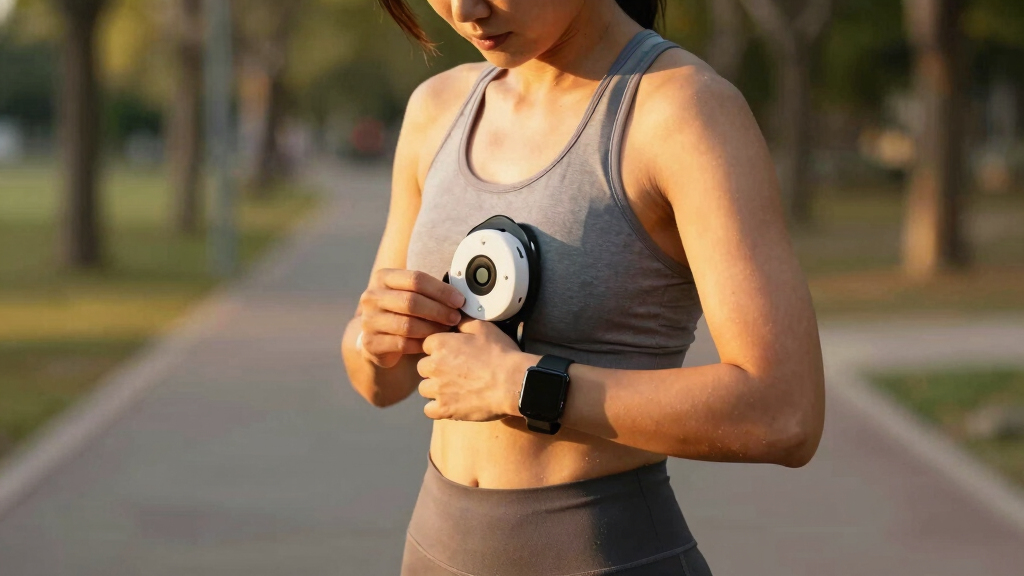
**Chest straps are considered the gold standard in heart rate monitoring** because they detect the electrical signals your heart emits, similar to an ECG. They’re like the reliable, old-school radio of fitness tech—less likely to stumble over your movement or sweat.
Imagine running a sprint or doing HIIT. Your wrist might jitter, but the chest strap captures your true heart rate because it directly senses electrical activity. Studies show chest straps deliver accuracy rates above 95% during different workout intensities, making them perfect for serious training or research.
An example? A marathon runner relying on a chest strap during a race knows her data is trustworthy, even when she’s drenched in sweat and muscles pounding.
Products Worth Considering
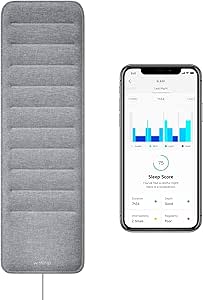
Withings Sleep Under-Mattress Sleep Tracking Pad
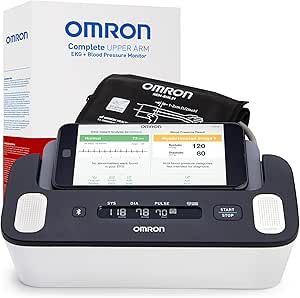
OMRON Complete 2-in-1 Upper Arm Blood Pressure Monitor with EKG

Garmin Venu 3 Fitness Smartwatch, 45 mm, Black
As an affiliate, we earn on qualifying purchases.
How Wrist Monitors Use Light to Guess Your Heart Rate
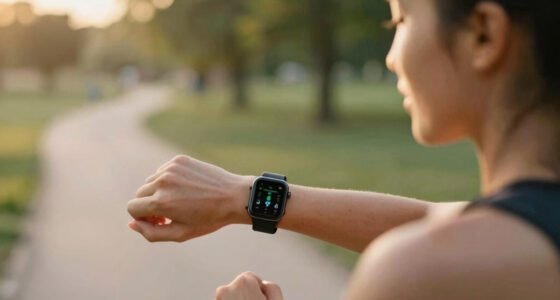
**Wrist monitors rely on optical sensors that shine light into your skin and measure blood flow changes**—called photoplethysmography (PPG). Think of it as watching how your skin twitches with each heartbeat, but through a tiny flashlight and a sensor.
Imagine wearing a smartwatch during a brisk walk. It’s comfortable and keeps tabs on your pulse without fuss. However, if you start running or swinging your arms wildly, the sensor can get confused by motion, leading to less accurate readings.
Recent tech improvements, like better sensors and smarter algorithms, have boosted accuracy. Still, during high-impact activities, wrist monitors can drift by 5-10 beats per minute compared to a chest strap.
Compare These Devices Side by Side in a Simple Table
| Feature | Chest Strap | Wrist Monitor |
|---|---|---|
| Accuracy | Very high, close to ECG | Good for casual use, less during intense activity |
| Comfort | Less comfortable, snug fit required | More comfortable, worn like a watch |
| Ease of Use | Requires proper placement, pairing | Simple, just wear and sync |
| Battery Life | Longer, often weeks | Shorter, a few days depending on use |
| Best for | High-precision training, research | Daily wellness, sleep tracking |
Recent Tech Advances That Are Changing the Game
Optical sensors on wrist devices are constantly improving. New algorithms now better filter out motion artifacts, making wrist monitors more reliable during activities like cycling or high-intensity interval training. According to recent data, some wrist devices achieve accuracy within 3-5 beats per minute of chest straps during moderate exercise.
Hybrid devices combining ECG and optical sensors are also emerging, offering the best of both worlds—convenience and precision. Plus, AI-driven software is now predicting heart rate with fewer errors even when your movements are wild.
This means your wrist monitor might soon match chest strap accuracy more often, especially for everyday fitness tracking.
What You Need to Know Before Picking Your Heart Rate Device
**The choice depends on your goals and activity level**. If precision during intense workouts matters most—say, you’re training for a triathlon—a chest strap is your best bet. For casual walks, sleep tracking, or monitoring overall wellness, a wrist monitor does the job just fine.
Cost also plays a role. Chest straps tend to be pricier but more accurate. Wrist devices are more affordable, easy to wear all day, and sync effortlessly with your phone or fitness app.
Remember: no device is perfect. Keep your expectations realistic, and always follow best practices like proper fit and regular cleaning to improve accuracy.
How to Make Your Wrist Monitor More Accurate
- Ensure it fits snugly but comfortably—no loose movement.
- Keep the sensor area clean, free from sweat or lotion buildup.
- Avoid excessive arm movement during measurement.
- Use the device during steady states, not sudden jerks.
- Update the firmware regularly for the latest accuracy improvements.
Which One Fits Your Lifestyle: Quick Tips
- If you’re serious about training and need precise data—go for a chest strap.
- For everyday activity, sleep, and casual fitness—pick a wrist monitor.
- Consider comfort: if you hate tight straps, wrist devices are more your style.
- Think about cost and convenience—wrist monitors are easier to wear and sync.
Frequently Asked Questions
Can wrist monitors be trusted for serious training?
Wrist monitors provide decent accuracy for casual exercise, but they can fall short during high-intensity or rapid movements. For serious training, a chest strap remains the more reliable choice.Do optical sensors work well during all activities?
Optical sensors work well during steady, moderate activity but can struggle with motion artifacts during vigorous exercise or abrupt arm movements. Proper fit and minimal movement improve accuracy.Are wrist monitors good for sleep tracking?
Yes, wrist monitors are generally comfortable for sleep tracking and provide useful data on sleep patterns. However, their accuracy can be affected by wrist movement during sleep.How often should I calibrate or update my wearable?
Keep your device firmware up-to-date and follow manufacturer instructions for calibration if available. Regular updates improve accuracy and ensure the latest features.Can I rely on wrist monitors for detecting irregular heart rhythms?
Wrist monitors are not medical devices and shouldn’t be used to diagnose arrhythmias. For concerns about irregular rhythms, consult a healthcare professional.Conclusion
When it comes to heart rate monitoring, precision usually wins—so if you’re pushing your limits or training seriously, a chest strap remains the best choice. But if comfort and convenience matter more, a wrist monitor offers surprisingly reliable data for daily wellness.
Remember, tech keeps improving, so your perfect match might change over time. The key is understanding what you need and choosing accordingly. Your best workout buddy might just be a device that fits seamlessly into your life, not necessarily the most accurate one.