
TL;DR

Get workout gear delivered free with Prime
- Fast, free delivery on millions of items
- Prime Video, Amazon Music and more included
- Member-only deals all year
ASICS FrontRunner community leader and running coach Ania Gabb has shared a week of workouts shaped around teaching, parenting and recovery. Her schedule includes easy runs, speed work, strength sessions and a long run, but she says runners should adapt training to their circumstances rather than chase pace or follow a plan at all costs.
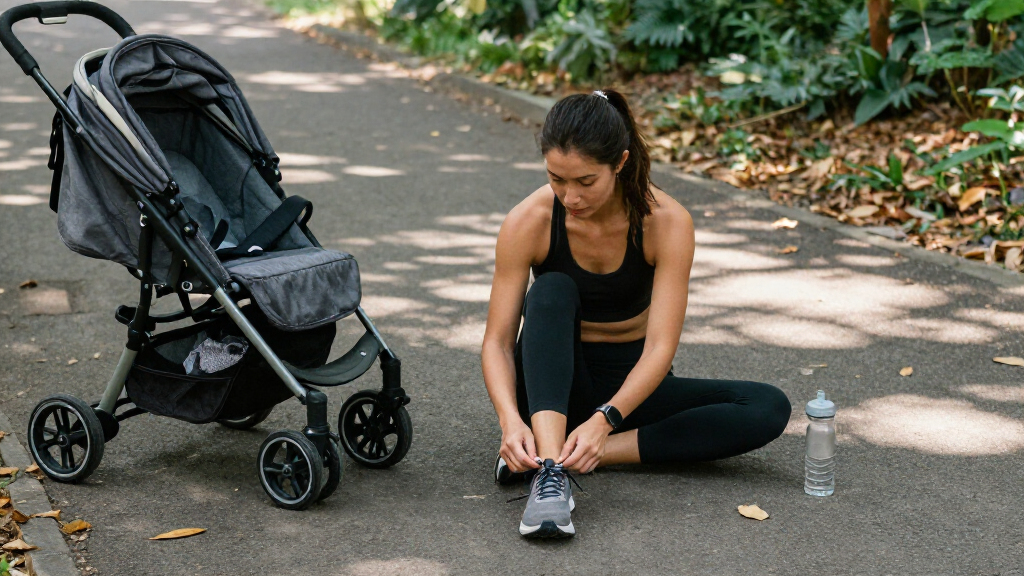
Running coach Ania Gabb, an ASICS FrontRunner community leader and mother of a two-year-old, has shared a week of workouts that combines running, strength training and fitness classes with time for family and recovery. In an interview with Fit&Well, she said the routine changed after becoming a parent and that runners do not need to be fast to belong in the sport.
Gabb said she starts the week with an easy four-to-six-mile run, followed by a light lower-body strength session, and spends Tuesday teaching three HIIT classes. On Wednesday, she does speed training with interval runs and teaches a gentle class for older adults. On Thursday she runs and works on upper-body strength; Friday includes teaching strength, HIIT and Pilates, with an easy client run sometimes added.
Gabb said she runs another four to six easy miles on Saturday and teaches a spin class. On Sunday, she does a long run of up to 20 miles. These are the workouts she described in the interview, not a plan she presents as appropriate for every runner. She said she previously tried to return to her old routine after her daughter’s birth by getting up at 5 a.m. for long runs, then recognized she needed to reduce the pressure on herself.
Gabb also outlined three lessons from her training: keep track of food to learn what supports race-day energy, prioritize sleep and recovery, and adjust expectations to match how rested or stressed she feels. She said she advises clients to test their own nutrition rather than assume one approach works for everyone.
A Flexible Model for Runner Parents
Gabb’s account offers a practical example of how an experienced runner has adapted training around parenting and a busy teaching schedule. She described teaching several types of fitness classes as well as running, including long runs, but does not present her routine as a universal template.
Gabb said she adjusts her effort according to how rested or stressed she feels. For recreational runners, the relevant takeaway is her stated approach: consistency can take different forms, and pace is not the only measure of participation. Her comments are personal advice from a coach, not medical guidance or evidence that a particular weekly routine is safe or effective for everyone.
As an affiliate, we earn on qualifying purchases.
From First Marathon to Coaching
Gabb said her interest in running began with school cross-country and watching the London Marathon as a child. Her first marathon, after university, did not go to plan: she told Fit&Well she had aimed to finish in under four hours but was caught in hail and stopped repeatedly because she had not trained with energy gels. She described that experience as a lesson in preparation rather than a reason to give up.
Fit&Well reported that Gabb has completed 35 full-distance marathons and lists a personal best of 2 hours, 49 minutes. The publication also describes her qualifications across personal training, group exercise, Pilates, yoga, pre- and post-natal fitness, and UK Athletics-accredited running coaching. She leads the ASICS FrontRunner Community, which the report says includes more than 500 runners across 31 countries.
The interview appears in Fit&Well’s “Workout Diaries” series, which asks trainers to describe their own exercise routines. Its subject is Gabb’s experience and advice, rather than a new training study or a change to ASICS policy.
“You don’t have to be fast to be a runner in the FrontRunner Community.”
— Ania Gabb, speaking to Fit&Well
adjustable dumbbells for home workouts
As an affiliate, we earn on qualifying purchases.
As an affiliate, we earn on qualifying purchases.
Limits of the Workout Diary
The report describes Gabb’s own routine, but does not give a dated training log, details about how often the schedule changes, or a broader assessment of how it would suit other runners. The source also does not specify how her training volume varies across race seasons or how she modifies sessions when she is tired or unwell.
Her comments on nutrition and recovery are personal experience and coaching advice as presented in the interview; the article does not provide comparative research showing that her methods produce particular results. Readers should not assume that her mileage, classes or strength sessions are suitable for their own fitness, health or postnatal circumstances.
high-intensity interval training (HIIT) workout gear
As an affiliate, we earn on qualifying purchases.
As an affiliate, we earn on qualifying purchases.
How Gabb Adapts Her Training
Gabb’s account does not announce a new programme or a specific upcoming race. It describes an ongoing approach: keep easy runs easy, include different types of training, and adjust targets when sleep, stress or family responsibilities affect the day. She told Fit&Well that a missed long run can be made up later, after a chance to recover.
For readers considering a similar routine, the practical next step is to treat the schedule as an example, not a prescription. Training volume and return-to-exercise plans can depend on individual circumstances; people with health concerns or questions about exercise after pregnancy should seek guidance from a qualified professional.
As an affiliate, we earn on qualifying purchases.
Key Questions
Who is Ania Gabb?
Ania Gabb is a British running coach and fitness instructor who leads the ASICS FrontRunner Community. Fit&Well reports that she has completed 35 full-distance marathons and has a personal best of 2:49.
What does Gabb’s weekly workout schedule include?
Her described week includes easy runs, speed intervals, lower- and upper-body strength work, several fitness classes and a Sunday long run of up to 20 miles. The schedule also reflects her work teaching classes and caring for her young child.
Does Gabb say runners need to be fast?
No. Gabb told Fit&Well that people do not have to be fast to be runners, and said the FrontRunner Community includes people with different abilities, ages and motivations.
What training advice does Gabb give?
She recommends tracking food to learn what works for an individual, prioritizing sleep and recovery, and easing pressure when stress or fatigue affects training. These are her personal recommendations, not a tailored plan for every runner.
Is this workout schedule suitable for everyone?
The article presents Gabb’s personal routine, not a general training prescription. Runners should adapt activity to their fitness and health; those with pre-existing conditions or questions about postnatal exercise should consult a qualified professional.
Source: rss
Fall Picks
fall essentials
As an affiliate, we earn on qualifying purchases.