
TL;DR

Get workout gear delivered free with Prime
- Fast, free delivery on millions of items
- Prime Video, Amazon Music and more included
- Member-only deals all year
Build your travel workout around a realistic goal and a 10–20-minute default routine using movements you can do with little or no equipment. Set an easy fallback, connect the session to a reliable daily cue, and scale it to your energy, space, and surroundings; walking and movement breaks count too.
Pick one travel goal, such as keeping a strength habit or moving after long periods of sitting.
Use a 10–20-minute default built from a short warm-up, a few basic movements, and an easy finish.
Keep a quiet, low-effort fallback ready for small rooms, busy days, or travel fatigue.
Connect your session to a routine cue, such as waking up or returning from sightseeing.
Count walking and movement breaks as part of an active travel day; equipment is optional.
Build a Travel Workout You’ll Actually Do
A useful travel workout fits your goal, energy, schedule, and surroundings. Keep it simple, flexible, and easy to start.
Build a short routine
Use a few basic movements, then adjust the rounds and exercise versions to fit your day.
March in place, circle your arms, and try easy squats for 2–3 minutes.
Try squats, push-ups, reverse lunges, and a plank for 2–4 rounds. Rest as needed.
Walk gently or do comfortable mobility for 3–5 minutes.
Adapt to the room and your energy
Choose steady movements that suit your available space, noise level, and how you feel.
- Try chair stands and wall push-ups.
- Choose gentle movement or a short walk.
- Skip furniture that shifts or rolls.
- Use comfortable bodyweight variations.
- Add a round when you have time and feel rested.
- A resistance band is optional.
Make it easy to remember
Let the plan follow your trip, rather than depend on perfect conditions.
Link it to your day
Try moving after waking, before a shower, or when you return from sightseeing.
Make starting easier
On a busy or tiring day, shorten the session or take a movement break.
Walking counts too
A brisk walk or brief movement breaks can support an active travel day.
Choose one travel goal so your workout has a job
A travel workout is a short, flexible session designed to support one realistic goal during a trip, such as keeping a strength habit, moving after a long day of sitting, or adding a little cardio. Choose one job for your workout before you pack; that choice helps you decide how hard and how often to train. The most important aspects are simplicity, flexibility, and a low barrier to getting started. For a weekend of museum visits, for example, your goal might be to loosen up after sitting on a train and keep your routine familiar. A 12-minute bodyweight circuit could fit that need better than a demanding hour-long plan. If you are traveling for work and your days are full of meetings, a brisk walk before dinner may be a more useful goal than a hard strength session. Think of your workout like a travel map. You need a destination, but you do not have to follow the same road every day. Pick a main goal, then allow a lighter option when your schedule or energy changes. That flexibility makes the plan easier to follow without judging your body or your travel choices.- Maintain strength: choose a few controlled bodyweight moves.
- Get moving: take a brisk walk or use a brief mobility break.
- Support cardio: walk at a pace that feels purposeful, if your setting is suitable.
- Feel less stiff: try gentle movement after a long ride or flight.
Products Worth Considering

Garmin Venu® 3 Premium Fitness Smartwatch 45mm Black

Therabody Theragun Mini 3rd Gen Massage Gun (Travel Essential, Black)

Fitbit Charge 6 Fitness Tracker – Obsidian/Black
As an affiliate, we earn on qualifying purchases.
Build a 10–20-minute routine you can shorten
How to build a travel workout: use a short warm-up, a small circuit of basic movements, and an easy finish, then shorten or extend the plan to fit your day. A 10–20-minute default is easier to place around travel plans than a long, fixed session. Start with this template and adjust repetitions, rounds, and exercise versions to suit your ability and available space.- Warm up for 2–3 minutes. March in place, circle your arms, and do a few easy squats at a comfortable pace.
- Complete 2–4 rounds. Try 8–15 squats, 6–12 push-ups, 8–12 reverse lunges per side, and a 20–40-second plank. Rest as needed between movements.
- Finish for 3–5 minutes. Walk easily or do gentle mobility, such as relaxed shoulder rolls and comfortable hip movements.
Make a small room and a noisy floor plan work
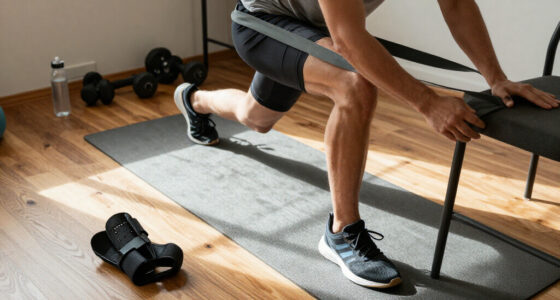
A small hotel room can support a travel workout if you choose movements that fit the floor space, noise level, and furniture you actually have. You do not need to jump, run in place, or use every corner of the room. A few stable, quiet movements can form a useful session, especially when a hallway, gym, or outdoor route does not suit your plans. For a quiet-room option, try sit-to-stands from a sturdy chair, wall push-ups, standing calf raises, and gentle standing balance work. Keep the chair on a steady surface and avoid using furniture that shifts or rolls. If you have enough clear floor space, glute bridges and a short plank can add options, but floor work is not required. For example, if a late arrival has left you wanting movement without waking someone in the next bed, a few rounds of slow chair stands and wall push-ups are easier to keep quiet than burpees. A resistance band can add pulling movements and takes little luggage space, but it is optional. You can leave it at home and still use squats, lunges, push-ups, glute bridges, or walking. When a room is crowded with bags, clear a safe patch before you begin and skip any movement that makes you reach around furniture.The main tradeoff in a compact room is that fewer movement choices may be available, but a quiet, stable session can still serve the goal you chose. Avoid improvising with furniture just to copy a gym exercise; a modest routine on clear floor is more useful than a setup that distracts you or feels unsteady. If you have limited mobility, an injury, or a health condition that affects exercise, get guidance from a qualified professional before trying unfamiliar movements.Space is a planning detail, not a test of willpower. Choose movements that fit your room, and let the room decide which version you use.
Use easy and harder versions instead of skipping the day
Travel exercises are easier to stick with when each movement has a gentler version and a more demanding option. That way, you can scale the session to your energy and experience without treating the plan as all-or-nothing. A traveler who slept poorly might use chair squats and wall push-ups, while the same traveler on a rested morning might use regular squats and incline push-ups against a firm counter. For squats, sit toward a sturdy chair and stand again if you want support; use an unassisted squat if that feels comfortable and controlled. For push-ups, start with a wall, move to a stable incline, or use the floor if you already know that version. For lunges, reduce the range or hold a steady support if needed, or swap in sit-to-stands. For a plank, keep the hold brief or skip it if it does not feel suitable. These choices change both the effort and the demands on balance, strength, and space. An easier version can make it possible to move while tired, but it still needs to feel steady and comfortable. A harder version can preserve more challenge for someone familiar with the movement, though adding difficulty when you are fatigued may make form harder to maintain. Choose the version that lets you move with control; if none feels right, walking, gentle mobility, or rest can be a sensible plan for that day.If you are adapting exercise around an injury, a pre-existing condition, or significant mobility limits, ask a qualified health or fitness professional which options are appropriate for you.Your fallback is part of the workout plan. A short, easier session can keep a routine alive when travel makes the full version a poor fit.
Tie your workout to a cue your travel day already has
A travel workout is easier to remember when you connect it to a routine that happens even as your itinerary changes. Choose a cue such as getting up, showering before breakfast, or returning from sightseeing. The cue gives you a starting point, while a short default and a smaller fallback stop the plan from depending on perfect conditions. Suppose your morning plans change each day. Instead of promising to exercise at exactly 7 a.m., decide to do two rounds before your shower when you wake up in the hotel. On a day with an early tour, use a five-minute version: march gently, do a few comfortable chair stands, and take an easy walk later if the schedule allows. When a work conference keeps you indoors, you might link a brief movement break to the end of a long meeting block. This is a bit like leaving your shoes by the door at home: the cue makes the next action easier to notice. It will not make every day predictable, and that is fine. Your plan can move with the day instead of making you feel behind when a train runs late or sightseeing takes longer than expected.- Morning cue: move before your shower or breakfast.
- Return cue: take a short walk after you get back from exploring.
- Work cue: stand, stretch gently, or walk during a natural break.
Count walking and movement breaks as part of the plan
Walking, stairs, and brief movement breaks can all count toward an active travel day, even if you do not complete a formal workout. They add movement around the trip you are already taking and may suit days when a planned circuit is not practical. A short bodyweight routine can support strength practice, while walking gives you another way to move; the two can work together without needing to compete. Picture a day that includes a train ride, several hours at a conference, and an evening meal across town. A 10-minute walk during lunch and a few standing breaks between sessions may fit better than trying to squeeze in a full hotel workout. On a sightseeing day, your steps through a market or park may already provide plenty of movement for your personal plan. You do not need to turn every outing into exercise or race through places you came to enjoy. If you want a mix, pair walking with brief strength sessions on days that feel suitable. For example, take a comfortable 15-minute walk after breakfast and do two rounds of squats and wall push-ups on a quieter afternoon. The right balance depends on your usual activity, travel schedule, and how you feel. Avoid treating a short routine as a way to fully offset prolonged sitting or as a guarantee against travel-related illness. Walking is easy to add because it can serve the trip as well as your movement goal: it may connect you to a meal, meeting, or place you want to visit. Its tradeoff is that it may not provide the same kind of strength practice as a circuit, and a busy or unfamiliar area may not be comfortable for a walk. Breaks can also help divide long periods of sitting, but they do not erase that time or need to become a rigid target. Choose the form of movement that fits your surroundings and plans, and count it as useful without requiring every day to look the same. After a long flight, gentle walking and comfortable mobility may feel better than intense exercise. If you feel unusually unwell or have concerns about activity, seek advice from a qualified professional.Adjust for fatigue, poor sleep, and changing plans
When you feel tired from travel, scale down the workout or choose rest instead of forcing a strenuous session. Sleep, hydration, comfortable movement, and a less crowded schedule can matter more on a demanding trip than completing every planned round. Fatigue is useful information: it helps you choose an effort that fits the day. Imagine you arrived after a late flight and slept poorly. Your room feels warm, your legs are heavy from sitting, and a hard circuit sounds unappealing. You could take an easy walk in a suitable area, do a few minutes of gentle movement, or rest and try your routine another day. If you feel more rested the next morning, start with the warm-up and see whether a short circuit feels comfortable. A simple decision helps: ask whether you feel ready for your usual effort, a lighter version, or rest. You do not have to make up missed sessions by doubling the next workout. When the itinerary is packed, split movement into brief blocks or let sightseeing provide the day’s activity. To preserve energy, keep the workout easy enough that it leaves room for the trip itself.- Well rested: use your planned routine if it feels appropriate.
- A little tired: reduce the rounds or choose easier movements.
- Worn out: consider a gentle walk, light mobility, or rest.
Pack only gear that solves a real travel problem
Most travelers can build a useful workout without packing equipment, so bring gear only if it adds an option you are likely to use. Bodyweight moves cover many basic patterns and keep your bag lighter. A resistance band is compact and can offer extra pulling exercises, but it does not replace a plan that works without it. Before packing, picture the actual trip. If you are changing hotels every night, even a small item can feel like clutter. If you are staying for a week and already use a band at home, bringing it may make your familiar routine easier to adapt. For example, a band might let you add rows in a room where there is no safe place to do pulling movements with your body weight.| Option | What it adds | When it may fit |
|---|---|---|
| Bodyweight only | Squats, lunges, push-ups, bridges, planks, and walking | Short trips, light packing, or rooms with limited space |
| Resistance band | More pulling and resistance options | Longer stays or a familiar routine that already uses one |
| Hotel gym | Access to equipment if available and comfortable | When the gym is open, suitable, and convenient for your schedule |