TL;DR

Get workout gear delivered free with Prime
- Fast, free delivery on millions of items
- Prime Video, Amazon Music and more included
- Member-only deals all year
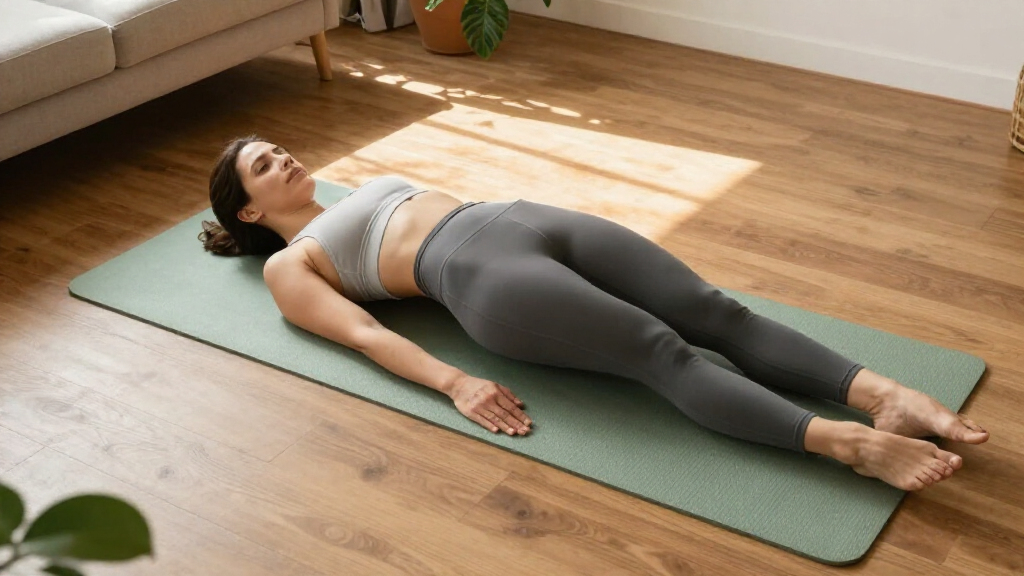
Fit&Well has published a beginner-friendly Pilates routine created by instructor Andrew Griffiths. The six no-equipment exercises take about 10 minutes and include pelvic tilts, the hundred, dead bugs, glute bridges, bird dogs and child’s pose; Griffiths suggests doing the workout three times a week with a rest day between sessions.
Fit&Well has published a 10-minute Pilates routine designed by instructor Andrew Griffiths for people new to the exercise, using six floor-based moves and no equipment. The plan offers a defined starting point for readers seeking a short home workout focused on core control and stability, with Griffiths recommending sessions three times a week and a day off between them.
The sequence moves from pelvic tilts to the hundred, dead bugs, glute bridges, bird dogs and a final child’s pose. It requires only enough floor space to lie down and move comfortably. Fit&Well’s instructions pair each exercise with breathing cues and controlled repetitions, rather than prescribing a fast-paced circuit.
For pelvic tilts, the routine calls for eight to 10 repetitions, focusing on gently moving the pelvis while keeping the legs still. The hundred begins with the knees bent over the hips; participants pulse their arms while breathing in for five pulses and out for five. The suggested starting target is 40 pulses, with the option to keep the head and shoulders on the floor or feet grounded to make the move easier.
The next three strength exercises are the dead bug, glute bridge and bird dog. Fit&Well lists two sets of eight to 10 repetitions per side for dead bugs and bird dogs, and two sets of 10 to 12 glute bridges, with 30 seconds of rest between sets. The routine ends with a 30- to 60-second child’s pose. It does not specify how long the entire session should take for every participant, but presents the workout as a 10-minute routine.
A Short Routine With Built-In Modifications
Fit&Well describes the workout as short and requiring no equipment. Those features may make it possible to try the routine at home without buying gear or committing to a long class. The instructions include modifications for the hundred, such as keeping the head and shoulders down or placing the feet on the floor.
The instructions include cues about breathing, alignment and controlled movement, such as keeping the lower back connected to the floor during a dead bug and the hips level during a bird dog. These cues give readers details to follow, although the article does not report measured outcomes from testing the routine or establish that it will produce the same results for everyone.
Griffiths says the exercises target areas including the core, glutes and muscles that support the back. He also describes Pilates breathing as potentially supportive for stress and anxiety. Those are attributed views from the instructor, not findings from a clinical study presented in the report. Readers should treat the workout as general exercise guidance, not as a treatment for pain or a health condition.
As an affiliate, we earn on qualifying purchases.
How the Six Moves Fit Together
The routine begins with a small movement—the pelvic tilt—to bring attention to how the pelvis moves. It then adds the hundred, which uses arm pulses and a set breathing pattern, before moving to dead bugs that coordinate opposite arm and leg movements. The later exercises shift to hip extension and balance: glute bridges lift the hips from the floor, while bird dogs extend one arm and the opposite leg from a hands-and-knees position.
Child’s pose serves as the closing position, with the participant sitting the hips back toward the heels and reaching the arms forward, if comfortable. The source describes pelvic tilts and child’s pose as gentle movement for the spine and hips, and says the other exercises target stability and strength. These descriptions explain the routine’s intended focus; the report does not provide independent measurements of changes to posture, strength or mobility.
Griffiths advises doing the workout three times a week, with a day off between sessions. He says that frequency can allow practice while leaving time for recovery, and suggests progressing the program when the exercises start to feel easy. Fit&Well does not set out a later-stage plan or specify exactly how to increase difficulty.
“Small and controlled is the aim. The movement comes from the pelvis, not the legs.”
— Andrew Griffiths, Pilates instructor and fitness expert, as quoted by Fit&Well
As an affiliate, we earn on qualifying purchases.
Outcomes and Individual Suitability
The report does not include a publication date in the supplied material, independent testing of the workout, or data showing how much strength or stability participants might gain. Griffiths’ statements about the exercises’ intended benefits are expert commentary attributed by Fit&Well; the source does not establish that every participant will experience those effects.
The routine also does not give individualized guidance for people with injuries, persistent pain, pregnancy-related concerns or other health conditions. It offers some easier options for the hundred but does not provide modifications for every movement. Readers who are unsure whether an exercise is appropriate for them should seek guidance from a qualified health or fitness professional, and stop if a movement causes pain or feels unsafe.
As an affiliate, we earn on qualifying purchases.
Repeat, Recover and Progress Gradually
For readers who choose to try the plan, the guidance in the report is to complete the six moves at a controlled pace, use the suggested easier options where needed and leave a rest day between sessions. Griffiths recommends repeating the workout three times weekly. He says that when it begins to feel easy, that can be a signal to progress, but Fit&Well does not specify a particular next routine, added resistance or required increase in repetitions.
The next step for the program is therefore not a separately announced class or formal progression plan in the supplied report. Readers can use the listed instructions as a starting routine, monitor how the movements feel and seek professional advice where personal circumstances call for it. No follow-up results or updates are included in the source material.
As an affiliate, we earn on qualifying purchases.
Key Questions
What exercises are in the beginner Pilates workout?
The six moves are pelvic tilts, the hundred, dead bugs, glute bridges, bird dogs and child’s pose. Fit&Well presents them as a roughly 10-minute, no-equipment routine.
How often does the instructor recommend doing it?
Andrew Griffiths recommends doing the routine three times a week, with a day off between sessions. This is his guidance in the Fit&Well report, not a personalized schedule for every reader.
Can beginners make any of the exercises easier?
For the hundred, the instructions say beginners can start with 40 or 50 pulses instead of aiming for 100, keep their head and shoulders down, or place their feet on the floor. The source does not give an easier variation for every move.
Does the routine require equipment?
No equipment is listed. The routine requires space on the floor to lie down and perform the movements.
Does the report prove the workout improves posture or relieves stress?
No. The report attributes comments about posture, core stability and breathing to Griffiths, but does not present independent testing or outcome data. The claimed benefits should not be read as guaranteed results or medical treatment.
Source: rss
Halloween Picks
halloween
As an affiliate, we earn on qualifying purchases.