
TL;DR

Get workout gear delivered free with Prime
- Fast, free delivery on millions of items
- Prime Video, Amazon Music and more included
- Member-only deals all year
Hip mobility drills unlock better movement and strength. Consistent practice enhances squat depth, deadlift efficiency, and reduces pain — no fancy equipment needed. Incorporate these simple exercises regularly for noticeable gains.
Ever tried squatting deep and felt like your hips just wouldn’t cooperate? That tightness or limited range of motion isn’t just annoying — it can hold back your lifts and increase injury risk. The good news? With a handful of targeted drills, you can loosen up those hips and move more freely.
This guide walks you through the essential hip mobility exercises every lifter should incorporate into their routine. Whether you’re new to lifting or a seasoned pro, these practical, evidence-backed drills will help you lift stronger, safer, and more comfortably.
Consistent daily hip mobility drills improve squat depth and deadlift efficiency.
Dynamic movements like leg swings prepare your hips better than static stretches alone.
Using tools like foam rollers can accelerate muscle relaxation and joint health.
Start with simple drills and gradually increase intensity for lasting gains.
Mobility work should be part of your warm-up and recovery routine, not just an afterthought.
Why Every Lifter Needs Hip Mobility Drills
Healthy hips are the foundation of good lifting form. When your hips move smoothly, you get deeper, more stable squats and efficient deadlifts. Conversely, tight hips often lead to compensations — like leaning forward or straining your lower back.
Think of your hips as the hinge on a door. If it’s stiff or rusty, the door won’t open smoothly. For lifters, that means compromised technique and increased injury risk. Regular mobility drills keep that hinge well-lubricated, ensuring your movement stays fluid and safe.
Furthermore, limited hip mobility can cause your body to compensate in ways that put stress on other joints. For example, if your hips are tight, your lower back or knees might take on extra load to make up for the lack of movement at the hips. This compensation not only heightens injury risk but also reduces the efficiency of your lifts, as energy is diverted into suboptimal movement patterns. Improving hip mobility ensures that force is transferred properly through your kinetic chain, leading to more powerful lifts and less fatigue. It also extends your training longevity by minimizing wear and tear on vulnerable joints.
In essence, neglecting hip mobility can create a domino effect, impairing your entire movement chain. Prioritizing this work helps maintain longevity in lifting while optimizing performance.
As an affiliate, we earn on qualifying purchases.
Top 4 Hip Mobility Drills That Transform Your Lifts
These four drills pack a punch. They’re simple, effective, and can be done anywhere — no fancy equipment needed.
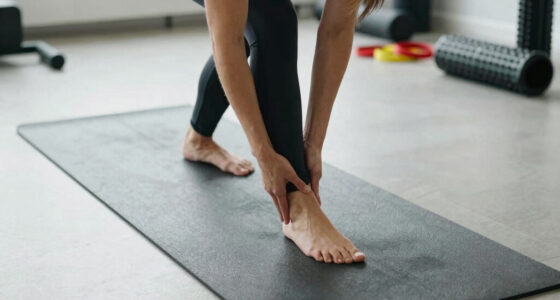
- Hip Flexor Stretch: Loosen tight front hips that often get compressed from sitting. Tight hip flexors can tilt your pelvis forward, increasing lower back strain during lifts. By stretching them regularly, you restore a healthier pelvic position, which improves squat depth and reduces back pain.
- Deep Squat Hold: Train your hips to open up in the bottom position, boosting squat depth. Holding in the deepest squat position helps increase flexibility and strength in the hip, knee, and ankle joints, which directly correlates with better squat performance and injury resilience.
- Leg Swings: Dynamic movement that warms up and increases mobility across multiple planes. This drill prepares your hips for the complex movements involved in lifting, improving control and reducing the risk of strains caused by sudden or awkward motions.
- Hip Circles & Controlled Articular Rotations (CARs): Improve joint health and move through full ranges of motion. These exercises promote synovial fluid circulation, which nourishes the joint tissues, and help identify any restrictions or discomfort early, enabling corrective action.
Here’s how to do the Hip Flexor Stretch: Kneel on one knee, push your hips forward while keeping your torso upright, and hold for 30 seconds. This elongates the hip flexors and promotes better pelvic alignment. For Leg Swings, swing each leg forward and backward, gradually increasing range and speed to mimic the dynamic demands of lifting. These drills replicate real-life movement patterns — making them perfect for lifters who want functional mobility gains.
Why these drills matter: Each of these exercises targets specific aspects of hip mobility that are crucial for safe and effective lifting. For example, tight hip flexors can limit your squat depth and cause compensatory movements that strain your lower back. The deep squat hold enhances your ability to maintain proper positioning under load, directly translating to more powerful and safer lifts. Dynamic movements like leg swings activate muscles in a way that prepares your nervous system for the complex, multi-planar motions involved in lifting. Incorporating these drills ensures that your hips are not only flexible but also controlled and resilient, which is essential for handling heavier weights and reducing injury risk.
As an affiliate, we earn on qualifying purchases.
How to Integrate Hip Mobility Drills into Your Routine
Consistency beats intensity. Incorporating these drills into your warm-up, cool-down, or dedicated mobility days ensures sustained improvements. Regular practice helps your body adapt, making mobility gains more permanent and functional.
For example, starting your workout with leg swings and hip circles activates your joints and prepares them for heavy loads, reducing injury risk. Finishing with stretching or foam rolling helps release tension and accelerates recovery. Over time, these habits will become second nature — and your hips will thank you. Remember, the goal is to make mobility work a habitual part of your training, not an occasional chore. Small daily improvements compound into significant progress.
Why consistency matters: Mobility improvements are similar to building muscle; they require regular stimulus. Sporadic practice may bring minimal gains or even regressions if your tissues don’t get enough consistent signals to adapt. By embedding these drills into your pre- and post-workout routines, you create a feedback loop that reinforces healthy movement patterns, ultimately leading to more durable and efficient lifts.
As an affiliate, we earn on qualifying purchases.
Comparing Static vs. Dynamic Hip Mobility Work
| Static Stretching | Dynamic Mobility Drills |
|---|---|
| Holding stretches for 30-60 seconds | Moving through ranges of motion actively or passively |
| Best after workouts or during recovery | Ideal before lifting as part of warm-up |
| Improves flexibility over time | Enhances joint control and movement quality |
While static stretches are effective for increasing muscle length and flexibility, they lack the dynamic component necessary for preparing your joints for movement under load. Static stretches can temporarily relax muscles but may not prepare your nervous system for the quick, controlled movements needed in lifting. Overdoing static stretching before lifting can also lead to decreased strength or stability if muscles are too relaxed. On the other hand, dynamic drills actively engage your muscles and nervous system, mimicking the movements you’ll perform during lifts. This active engagement promotes neuromuscular control, coordination, and readiness, which are crucial for safe, powerful performance. Combining both approaches—using dynamic drills as a warm-up and static stretching during cool-down—maximizes your mobility and reduces injury risk, creating a balanced, effective prep routine.
As an affiliate, we earn on qualifying purchases.
Tools That Make Hip Mobility Easier and More Effective
- Foam Rollers: Break up fascia and muscle tightness around hips, increasing blood flow and tissue flexibility. Regular foam rolling can reduce chronic tightness that limits mobility and causes discomfort during lifts. Think of it as a way to maintain the health of your tissue matrix, preventing adhesions and restrictions that develop over time.
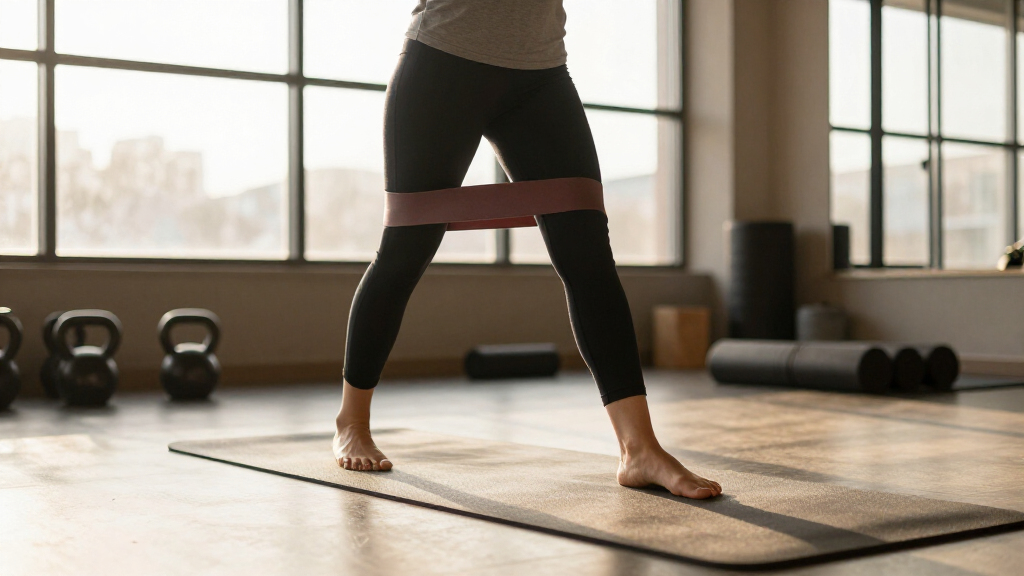
- Mobility Sticks & Resistance Bands: Assist deeper stretches and controlled movements by providing support or resistance. These tools help you target specific tight spots more precisely and facilitate movements through full ranges of motion. Using resistance bands during stretching can also help strengthen the muscles around your hips, improving stability and control.
- Massage Balls: Target stubborn knots and tight spots that are resistant to stretching alone. Using massage balls can improve tissue quality, reduce pain, and enhance overall mobility. They’re especially effective for addressing trigger points that cause referred discomfort or limit movement in the hips.
- Apps & Wearables: Track progress, set reminders, and customize routines based on your mobility needs. Technology helps maintain consistency, measure improvements, and stay motivated over the long term. For example, apps that guide you through mobility routines can help keep your form correct and ensure you’re targeting the right areas at the right intensity, which accelerates progress and prevents setbacks.
For example, a foam roller on your hip flexors after a workout can significantly reduce soreness and tightness, allowing for more effective subsequent mobility work. Combining tools with targeted drills accelerates progress, prevents setbacks, and keeps your hips healthy and functional.
When Will You Notice a Difference? Expectation vs. Reality
Expect to see meaningful improvements in your movement within 2-4 weeks of consistent mobility work. Many lifters report better squat depth, increased control, and less lower-back strain after just a handful of sessions. This timeframe is crucial because it allows your tissues to adapt gradually without overstressing them, reducing injury risk. The key is understanding that progress is cumulative—small, consistent efforts lead to noticeable changes over time.
However, the extent and speed of progress depend on your initial flexibility, how diligently you practice, and other factors like posture and overall movement patterns. Patience is essential; the body takes time to adapt, and rushing can lead to overstretching or injury. Recognizing that mobility is a journey helps set realistic expectations and keeps motivation high. Tracking your progress with simple measurements or photos can provide motivation and help you adjust your routine as needed.
For example, dedicating 10 minutes daily to hip drills can lead to noticeable changes—such as deeper squats and less discomfort—within a month. The key is consistency; even short daily sessions are more effective than sporadic, longer ones. Over time, these small efforts compound into significant mobility improvements that translate into safer, more effective lifting.
Common Mistakes That Sabotage Your Hip Mobility Gains
Skipping warm-ups or mobility drills? That’s a fast track to stagnation and potential injury. Without preparing your joints properly, you risk overstretching or forcing movements that your tissues aren’t ready for, which can cause micro-tears or inflammation. This can set back your progress and increase discomfort.
Another mistake? Pushing into pain — rather than gentle discomfort — can cause tissue damage or inflammation. Pain is a warning sign that you’re overstressing or misaligning tissues. Listening carefully to your body and adjusting intensity accordingly helps prevent setbacks and ensures sustainable progress.
Neglecting consistency is perhaps the most common error. Mobility improvements require regular effort; sporadic practice yields minimal results and can even lead to regressions if tissues don’t get enough consistent stimuli to adapt. Treating mobility work as a vital part of your training routine—like warming up or cooling down—maximizes benefits and prevents frustration.
For instance, doing a hip stretch once a week won’t produce the same benefits as daily, mindful mobility work. Making it a non-negotiable part of your routine ensures your hips stay responsive and resilient, leading to better lifts and fewer injuries.
Frequently Asked Questions
How often should I do hip mobility drills?
Aim for at least 3 times a week, especially before workouts, to see steady improvements. Consistency is key for long-term gains.Can poor hip mobility cause lower back pain?
Yes. Tight hips often force your lower back to compensate, leading to strain and discomfort. Improving hip mobility can help reduce this risk.Are there drills suitable for beginners?
Absolutely. Simple stretches like hip flexor lunges and basic leg swings work well for beginners. Focus on gentle movement and gradual progress.How long before I see noticeable improvements?
Most lifters notice better mobility within 2-4 weeks of regular practice. Patience and consistency make all the difference.Should I do mobility drills before or after lifting?
Dynamic drills like leg swings are best before lifting to warm up the hips. Static stretches or foam rolling are better after workouts to aid recovery.Conclusion
Think of your hips as the hinge of a well-oiled machine. Keep that hinge moving freely, and your lifts will feel smoother, safer, and more powerful. Incorporate these drills into your routine, stay consistent, and watch your mobility and strength improve together.
Remember — a few minutes of mobility work can save you from months of injury or frustration. Your hips aren’t just the foundation of your lifts; they’re the gateway to better movement overall.
Fall Picks
fall essentials
As an affiliate, we earn on qualifying purchases.