
TL;DR

Get workout gear delivered free with Prime
- Fast, free delivery on millions of items
- Prime Video, Amazon Music and more included
- Member-only deals all year
Muscle soreness two days after exercise, known as DOMS, is mainly caused by inflammation and microtears in muscle fibers. It’s a normal response to unfamiliar or intense activity, not a sign of injury or muscle growth. Managing it involves gradual progress, proper recovery, and listening to your body.
Ever finish a workout and feel fine, only to wake up two days later with muscles that scream every time you move? That delayed pain, called DOMS, is more than just soreness — it’s your body’s way of responding to unfamiliar or intense activity. Understanding why it happens helps you train smarter, recover better, and avoid unnecessary worry.
In this guide, you’ll learn what DOMS really is, why it peaks after a couple of days, and how you can handle it without turning to quick fixes. Because knowing your body’s signals can make all the difference in your fitness journey.
Muscle soreness two days after exercise, or DOMS, results mainly from inflammation and nerve sensitivity, not muscle damage.
Eccentric movements, like downhill running or lowering weights, cause more microtears and soreness.
Gradually increasing workout intensity and proper recovery techniques can help reduce DOMS severity.
Stretching and foam rolling can provide relief but aren’t magic cures; consistency and patience matter.
Most soreness resolves within 3-5 days; seek medical advice if pain persists or worsens.
What exactly is DOMS and why does it peak two days later?
DOMS stands for Delayed Onset Muscle Soreness. It’s that familiar ache you feel about 24 to 72 hours after trying a new workout, lifting heavier than usual, or doing a different kind of exercise. The pain is often worst around the second day, which surprises many.
This delay occurs because your body takes time to respond to the tiny injuries in your muscles. Microtears in muscle fibers and surrounding tissues trigger inflammation, swelling, and nerve sensitivity. These processes don’t happen instantly—they build up over time, peaking around day two or three.
Understanding this timing is crucial because it influences how you plan your workouts. If you know soreness peaks after a couple of days, you can schedule lighter sessions or active recovery during that window, preventing overtraining and injury. It also highlights the importance of patience; rushing back into intense exercise before soreness subsides can increase injury risk or prolong recovery.
Imagine you try downhill running for the first time. Your muscles work eccentric contractions — lengthening under tension. This type of work causes more microtears than regular lifting, leading to more noticeable soreness two days later. Recognizing the role of eccentric work helps you design balanced training programs that include appropriate rest and recovery, minimizing unnecessary discomfort while still gaining benefits.
As an affiliate, we earn on qualifying purchases.
Why microtears and inflammation are the real culprits behind soreness
Muscle soreness from DOMS is not just about tiny tears — it’s about what happens next. Microtears in the muscle fibers activate your immune system. Special cells rush in to repair the damage, releasing inflammatory chemicals like prostaglandins and cytokines.
This inflammation causes swelling, increased nerve sensitivity, and pain. Think of it as your body’s way of signaling, “Hey, something’s changed here!”
But why does this matter? Because inflammation is a double-edged sword. While it’s essential for repairing damaged tissues, excessive or prolonged inflammation can lead to increased discomfort and even delay recovery. For athletes and fitness enthusiasts, understanding this helps in choosing recovery strategies that modulate inflammation effectively—like proper nutrition, hydration, and gentle movement—without suppressing the necessary repair process.
For example, after a tough leg day, your quadriceps might swell slightly and become tender. That’s inflammation at work, not necessarily a sign of injury, but a normal part of muscle adaptation. Recognizing this allows you to differentiate between normal soreness and potential injury, helping you avoid unnecessary worry or over-treatment.
muscle soreness relief massage ball
As an affiliate, we earn on qualifying purchases.
As an affiliate, we earn on qualifying purchases.
Recent science overturns old myths about muscle soreness
For years, many believed that soreness meant you’d damaged your muscles beyond repair. Now, research from exercise science suggests otherwise. Inflammation and nerve sensitivity are the main drivers, not true muscle destruction.
This revelation shifts how we interpret soreness. Instead of seeing DOMS as a sign of damage, we should view it as a normal, temporary response to increased or unfamiliar activity. This understanding reduces unnecessary fear and encourages smarter training strategies, emphasizing gradual progression and recovery.
Studies also show that muscles can handle microtears and inflammation without long-term injury. In fact, some soreness is a sign your body is adapting to new challenges, strengthening your muscles over time. Recognizing this helps you avoid the misconception that soreness equals injury, which can lead to overcautious behavior or skipping workouts altogether. Instead, you learn to listen to your body’s signals, balancing effort with adequate recovery for optimal progress.
As an affiliate, we earn on qualifying purchases.
How to prevent and ease DOMS without overdoing it
Dealing with DOMS involves smart strategies. You can’t completely avoid soreness, but you can reduce its severity. Here are some practical tips:
- Gradually increase workout intensity to give your muscles time to adapt. This reduces the risk of excessive microtears and inflammation, minimizing soreness and injury risk.
- Start with a warm-up to prepare your muscles for activity, which can improve flexibility and blood flow, decreasing the likelihood of microdamage.
- Cool down and stretch gently afterward to promote blood flow and help remove metabolic waste products that can contribute to soreness.
- Stay hydrated and eat anti-inflammatory foods like berries, nuts, and fatty fish. Proper nutrition supports tissue repair and reduces inflammation, speeding recovery.
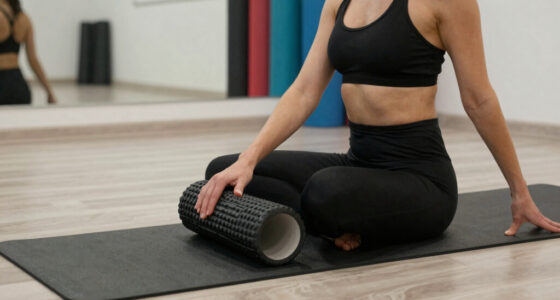
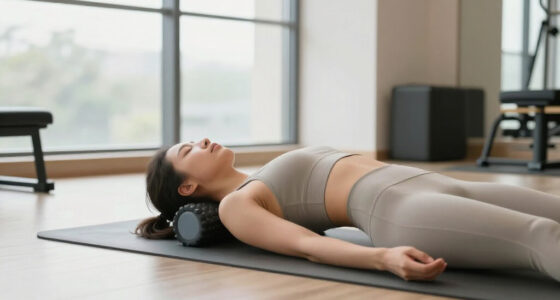
- Use foam rolling or light activity to help flush out inflammation and maintain muscle elasticity, which can lessen soreness intensity.
- Prioritize rest and sleep, letting your muscles recover naturally. Sleep is when most repair processes occur, and adequate rest prevents overtraining and chronic soreness.
For example, after trying a new HIIT routine, doing some light walking or yoga the next day can stimulate circulation, aiding in faster recovery and lessening soreness.
AmazonAs an affiliate, we earn on qualifying purchases.
Can stretching, foam rolling, or supplements really help?
Stretching and foam rolling are popular for easing soreness, but their effectiveness varies. Stretching can improve flexibility but might not significantly reduce DOMS. Foam rolling can help break up muscle tightness and boost blood flow.
Supplements like omega-3s and antioxidants may support recovery, but evidence isn’t definitive. Always consult a qualified professional before adding new supplements, especially if you have health conditions.
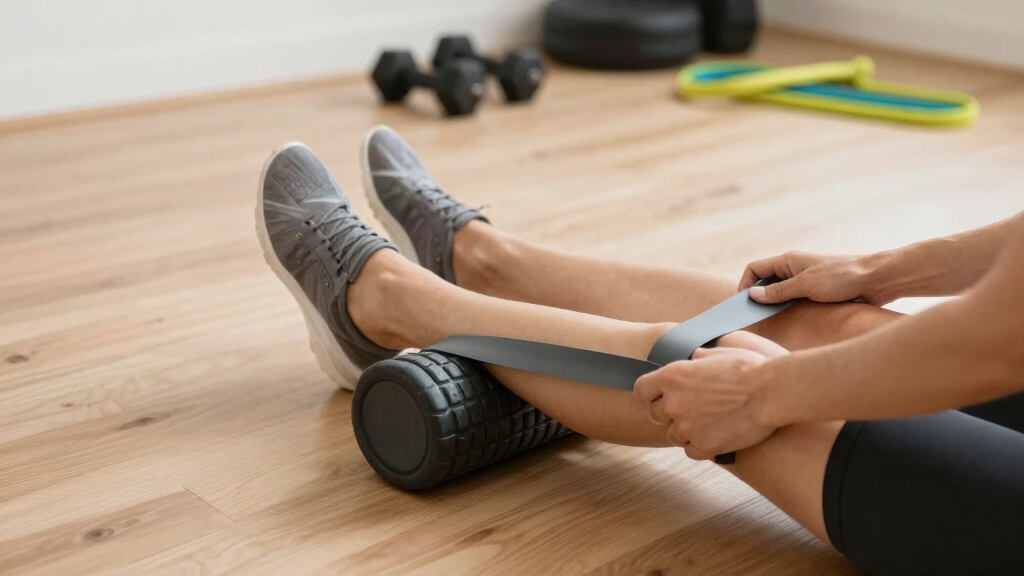
Imagine you’re sore after a long hike — a gentle foam roll along your calves can feel soothing, but don’t expect it to erase all discomfort overnight. The key is consistent application over time, which can help your muscles adapt and reduce the severity of soreness through improved circulation and decreased tightness.
How long does DOMS usually last, and when should you see a doctor?
Most soreness from DOMS fades within 3 to 5 days. If pain persists beyond a week, or if it’s severe and accompanied by swelling, weakness, or bruising, it might be more than DOMS.
In those cases, consulting a healthcare professional is wise. Remember, pain is a signal — listen to your body and avoid pushing through serious discomfort.
For example, if you feel a sharp pain in your shoulder a week after lifting, it’s time to get checked. Ignoring persistent or severe pain can lead to worsening injury or delayed recovery, which can hinder your progress long-term. Recognizing when soreness is abnormal helps prevent complications and ensures you get appropriate care when needed.
Frequently Asked Questions
Why do muscles hurt two days after exercising?
Your muscles hurt two days after exercise because of inflammation caused by tiny microtears in muscle fibers. This delayed response peaks around day two or three, signaling your body’s repair process.
Is DOMS a sign that I had an effective workout?
Not necessarily. DOMS is more about how your muscles respond to unfamiliar or intense activity. You can have a great workout without significant soreness, and vice versa.
How can I reduce or prevent DOMS?
Gradually increase workout difficulty, warm up properly, hydrate, eat anti-inflammatory foods, and incorporate light activity or foam rolling afterward. These steps help manage soreness without overdoing it.
Does stretching or foam rolling help with soreness?
They can help relieve tightness and improve blood flow, making soreness feel less intense. But they aren’t instant fixes — consistency and patience are key.
When should I see a doctor for muscle pain?
If pain lasts longer than a week or is severe, or if you notice swelling or weakness, seek medical advice. Persistent or worsening pain is not typical DOMS.
Conclusion
Understanding why muscles hurt two days later transforms soreness from a mystery into a normal part of training. It’s a sign your body is working and adapting, not a warning of injury.
Next time you feel that familiar ache, remember: inflammation, not destruction, is at play. Respect your body’s signals, progress gradually, and trust that recovery is part of the process.
Wellness content on this site is informational and not a substitute for professional medical guidance.HALLOWEEN Halloween Picks
halloweenhalloween
As an affiliate, we earn on qualifying purchases.