TL;DR

Get workout gear delivered free with Prime
- Fast, free delivery on millions of items
- Prime Video, Amazon Music and more included
- Member-only deals all year
Heavy weights can damage floors if not properly protected. Using mats, distributing weight evenly, and reinforcing vulnerable areas can prevent dents, cracks, and other damage. Regular checks and smart placement make a big difference.
Use appropriate mats or plywood sheets based on your floor type to spread out heavy loads.
Always lift and carry heavy weights instead of dragging to prevent scratches and dents.
Regularly inspect your floors for early signs of damage — catching issues early saves money.
Reinforce floors in areas where heavy weights are used frequently, especially in basements or garages.
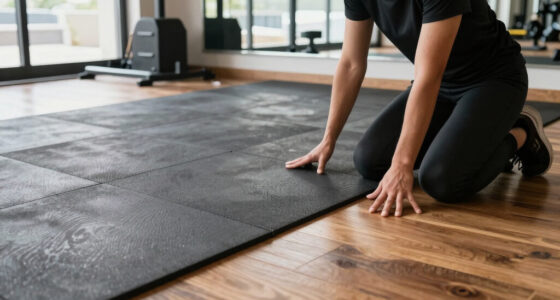
Invest in heavy-duty rubber mats or interlocking tiles for high-traffic or weight-heavy zones.
Home gym floor protection
How to Protect Your Floors From Heavy Weights
Heavy equipment creates pressure, impact, and movement. The right protective layer spreads the load, absorbs shock, and helps prevent scratches, dents, cracks, and costly structural problems.
Match the shield to the floor
Every surface fails differently. Hardwood dents and scratches, tile can chip or crack, and concrete can fracture under repeated concentrated impacts. Protection should answer the specific weakness beneath the weight.
Hardwood
Protect the finish from abrasion and spread pressure beyond narrow furniture legs or equipment feet.
Best: felt pads + dense rubberTile
Reduce sharp contact points and vibration that can chip tiles or stress grout lines.
Best: plywood + rubber layerConcrete
Use resilient coverage to absorb repeated drops, equipment vibration, and concentrated force.
Best: heavy-duty rubber tilesFrom bare floor to protected zone
A reliable setup is a sequence, not a single product. Assess the risk, add the right barrier, move equipment carefully, and keep checking the result.
Identify weak points
Note the floor material, seams, cracks, uneven areas, and where heavy loads will land.
Build a load platform
Place dense rubber, plywood, or reinforced tiles beneath every heavy station.
Lift, never drag
Carry weights and use floor-compatible dollies or sliders for bulky equipment.
Catch damage early
Check for dents, cracks, shifting mats, moisture, and unstable equipment feet.
Choose protection by load and movement
Soft pads work for static furniture, while active lifting zones need denser, broader protection. Combining plywood with rubber provides both load distribution and impact absorption.
| Material | Best application | Load distribution | Shock absorption | Main tradeoff |
|---|---|---|---|---|
| Felt Pads | Furniture legs on hardwood | Wears quickly under heavy or moving loads | ||
| Rubber Mats | Weights, racks, and gym equipment | Thicker grades cost more and are heavy | ||
| Plywood Sheets | Racks, machines, and heavy furniture | Needs careful placement and edge finishing | ||
| Foam Tiles | Light-duty exercise and broad coverage | Can compress beneath narrow equipment feet |
Build for pressure and impact
Relative performance depends on thickness, density, installation, and product rating. Use this visual as a selection guide, then confirm the manufacturer’s load specifications.
Heavy, repeated loads need a stronger base
Protective mats address surface damage. Very heavy racks, concentrated machine loads, or repeated impacts may also require reinforcement below the finished floor.
Strengthen the subfloor
Add a reinforced subfloor, structural panels, or a thick overlay to spread loads across a wider area and reduce flexing.
Support from below
Additional beams, joists, or posts may be appropriate when heavy equipment sits above a basement or crawl space.
Protect early. Spread the load. Check often.
Choose the Right Protective Materials for Your Floor Type
Different floors need different protections. Hardwood floors are more sensitive to dents, while concrete can crack under concentrated pressure. Knowing your floor type helps you select the best shield.
For hardwood, felt pads and rubber mats are gentle but effective. These materials distribute the weight over a larger area, reducing point pressure that can cause dents. For concrete or garage floors, heavy-duty rubber mats or interlocking tiles provide better shock absorption, which is crucial for preventing cracks caused by repeated impacts or concentrated loads. Tile floors benefit from thick plywood overlays or specialized rubber protectors, as these can distribute the weight more evenly and absorb vibrations. Think of it like armor — the right material depends on what it’s protecting, and choosing the wrong one can lead to accelerated wear or damage, especially with frequent or heavy use.
As an affiliate, we earn on qualifying purchases.
Distribute Weight Effectively to Avoid Dents and Cracks
Heavy weights shouldn’t land on a small point — that’s a quick way to damage your floor. Instead, spreading that load over a larger surface area helps prevent concentrated stress that causes dents, cracks, or even structural failure over time.
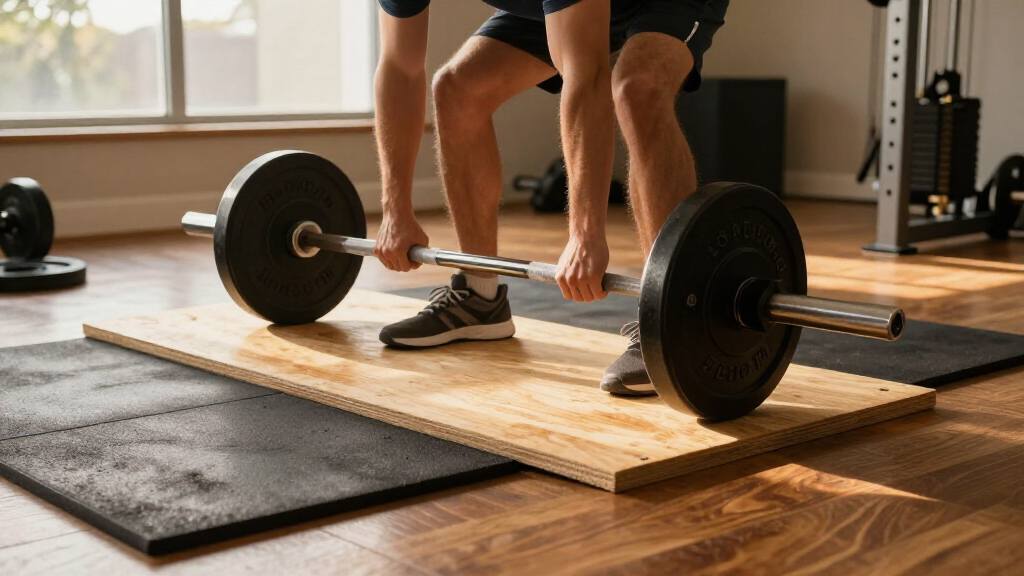
Use plywood sheets, thick rubber mats, or foam pads underneath weights or furniture. For example, when performing deadlifts, placing a plywood sheet or a thick rubber mat beneath the barbell can significantly reduce the risk of localized pressure that might puncture or indent your flooring. Spreading out the weight is akin to distributing a heavy load across multiple supports rather than a single point — it minimizes the risk of damage while extending the lifespan of your floors. This approach also provides a more stable base, reducing wobbling or shifting that can cause unexpected damage or safety hazards. The tradeoff is that these protective layers can add some height and may require extra effort to set up, but the long-term benefits far outweigh the inconvenience.
interlocking rubber tiles for weight rooms
As an affiliate, we earn on qualifying purchases.
As an affiliate, we earn on qualifying purchases.
Use the Best Protection Options for Heavy Equipment
When placing heavy items like weight racks, machines, or furniture, don’t just set them down directly on the floor. Use specific mats or pads designed for heavy loads, which can significantly extend the life of your flooring and prevent costly repairs.
Options include:
- Heavy-duty rubber mats rated for weight-bearing — they absorb shock and distribute pressure evenly.
- Interlocking foam tiles with reinforced backing — these can be customized to cover large areas and are easy to replace if damaged.
- Plywood sheets for extra support — especially under very heavy equipment, these sheets spread the load and prevent concentrated stress points that can cause cracking or warping.
For instance, a garage gym might use thick rubber mats rated for 1,000 pounds per square foot, which not only protects the concrete but also cushions equipment vibrations, reducing noise and wear. Choosing the right protection isn’t just about immediate safety; it’s about ensuring long-term durability and avoiding expensive repairs that can result from neglecting proper support. The tradeoffs involve cost, installation effort, and sometimes aesthetics, but the peace of mind gained from knowing your floors are protected makes it worthwhile.
plywood sheets for floor protection
As an affiliate, we earn on qualifying purchases.
As an affiliate, we earn on qualifying purchases.
Step-by-Step: How to Safeguard Your Floors in 4 Easy Moves
- Assess your flooring material and note its vulnerabilities. Understanding whether your floor is hardwood, tile, concrete, or another material helps you choose the most effective protective measures.
- Place protective mats or plywood sheets under all heavy objects. Proper placement ensures even weight distribution, which is critical for preventing damage.
- Lift and move furniture or weights instead of dragging them. Dragging can cause scratches and gouges, especially on hardwood or tile surfaces, and can weaken the flooring over time.
- Inspect regularly for signs of damage, like dents, cracks, or uneven surfaces. Early detection allows for prompt repairs or reinforcement, preventing small issues from becoming expensive problems.
heavy weight floor reinforcement pads
As an affiliate, we earn on qualifying purchases.
As an affiliate, we earn on qualifying purchases.
Compare Common Protective Materials for Floor Safety
| Material | Best For | Pros | Cons |
|---|---|---|---|
| Felt Pads | Furniture legs on hardwood | Easy to install, inexpensive | Wear out quickly, limited load capacity |
| Rubber Mats | Heavy weights, gym equipment | Durable, shock-absorbing, high weight capacity | Can be costly, thick mats may be hard to move |
| Plywood Sheets | Heavy furniture, weight racks | Strong, distributes weight evenly | Requires more effort to install and remove |
How to Reinforce Floors for Heavy Use
If you regularly lift or move very heavy weights, reinforcing your floor can prevent structural issues and prolong its lifespan. Think of it as giving your floor a sturdy backbone that can handle repeated stress without failing.
Options include adding support beams underneath, installing a reinforced subfloor, or overlaying with thick plywood or composite panels. These measures distribute the weight more evenly across the foundation, reducing the risk of cracks, warping, or even structural failure. For example, a homeowner with a 600-pound squat rack might reinforce the concrete slab with additional support beams or a thicker overlay, which can prevent the floor from cracking under repeated heavy loads. Reinforcement involves some upfront effort and cost, but it provides peace of mind, especially if your gym equipment is used frequently or if you plan to upgrade to even heavier weights. Ignoring reinforcement can lead to costly repairs or unsafe conditions over time, so it’s worth considering these options early on.
Keep an Eye on Your Floors with Regular Inspections
Damage doesn’t always happen overnight. Regular inspections help catch dents, cracks, or uneven spots early — saving money and hassle later. Early detection allows you to take corrective measures before issues worsen, potentially avoiding expensive repairs or the need for complete floor replacement.
Look for:
- Visible dents or scratches that may indicate concentrated pressure points
- Uneven surfaces or cracking that could compromise stability or safety
- Loose or shifting protective mats or pads that can cause uneven weight distribution
Address problems early by repositioning mats, adding reinforcement, or consulting a professional if needed. Regular checks also help you understand how your flooring responds over time, guiding future protective measures and ensuring your home gym remains safe and functional for years to come.
Frequently Asked Questions
Can I place heavy weights directly on hardwood floors?
It’s not recommended. Direct contact can cause dents and cracks. Always use protective pads, rubber mats, or plywood sheets underneath heavy weights to distribute the pressure evenly.How do I know if my floor is being damaged by heavy weights?
Look for visible dents, scratches, uneven surfaces, or cracks. Regular inspections help catch issues early before they worsen or become costly to repair.Are rubber mats enough to protect a concrete garage floor?
Yes, heavy-duty rubber mats designed for weight-bearing are highly effective. They absorb shock, prevent cracks, and are easy to clean, making them ideal for garages and gyms.What’s the best way to reinforce my floor for heavy use?
Consult a structural engineer, but options include adding support beams, thick plywood overlays, or reinforcing the existing slab. These measures strengthen the base for frequent heavy lifting.Can I DIY protect my floors, or should I hire a professional?
Many protective measures, like placing plywood sheets or rubber mats, are DIY-friendly and cost-effective. For reinforcement or structural modifications, professional advice is recommended.Conclusion
Your floors are the foundation of your home gym — treat them with care. With simple steps like using the right mats, spreading weight evenly, and regular inspections, you protect your space from costly damage. Remember, a little prevention goes a long way. Keep your floors safe, your gym productive, and your wallet happy.Fall Picks
fall essentials
As an affiliate, we earn on qualifying purchases.