TL;DR

Get workout gear delivered free — and shop member deals
- Fast, free delivery on millions of items
- Access to Prime Big Deal Days deals on October 6–7
- Prime Video, Amazon Music and more included
Most home gym equipment wastes money and space, often because it’s unnecessary or poorly used. By recognizing these items and choosing smarter alternatives, you can save hundreds of dollars and keep your space clutter-free.
You’ve probably bought a treadmill, a set of dumbbells, or a fancy rowing machine, only to find them gathering dust weeks later. Many of us fall into the trap of accumulating equipment that wastes both our money and our space.
In this guide, you’ll learn how to identify which gym gear really earns its place in your home and which items are just clutter in disguise. Let’s cut through the hype and focus on what truly supports your fitness journey—without wasting your hard-earned cash or turning your living space into a storage unit.
Many home gym items, especially bulky machines, remain unused and waste your space and money.
Equipment that consumes power in standby mode can significantly increase energy bills over time.
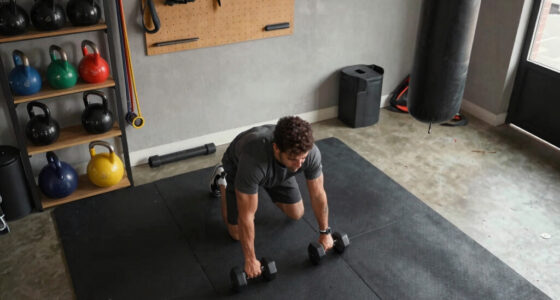
Opt for versatile, space-saving gear like adjustable weights and resistance bands instead of single-purpose machines.
Regularly review your equipment—if it doesn’t get used, let it go to free up space and cash.
Smart technology and minimalism can help you build an effective, eco-friendly home gym while avoiding waste.
The Equipment That Wastes Your Money and Space
A home gym should support movement—not become an expensive storage unit. The smartest setup keeps versatile gear, cuts idle power and removes anything that no longer earns its footprint.
The usual clutter culprits
Equipment becomes wasteful when its purchase price, footprint and upkeep outweigh its real contribution to your routine. These three categories deserve the closest scrutiny.
Bulky machines
Large rowers, ellipticals and fixed strength stations demand permanent floor space. If the machine is rarely used, every square metre becomes an ongoing cost.
Trend-driven gadgets
A clever promise can trigger an impulse buy, but specialist gadgets often support only a narrow exercise—and disappear from the routine when motivation shifts.
Power-hungry gear
Consoles, displays and connected features may continue drawing power between workouts. Multiple idle devices can quietly add to household energy costs.
Unused does not always mean switched off
Standby consumption looks insignificant device by device. Across a household, however, phantom loads may account for as much as 10% of electricity use. Auto-off settings, smart outlets and simple unplugging routines can shrink the drain.
Index combines likely footprint, specialization, purchase cost and standby-power exposure. It is a decision aid, not a measured product ranking.
Replace one-purpose bulk with flexible tools
The best-value equipment adapts to many movements, stores easily and remains useful as your training changes. Compare the job performed—not the number of features advertised.
| Equipment choice | Floor-space demand | Exercise variety | Ongoing power | Practical verdict |
|---|---|---|---|---|
| Full-size treadmill | High | Low to moderate | Yes | Keep only if used weekly |
| Large rowing machine | High | Moderate | Model dependent | Demand proven usage |
| Fixed strength station | Very high | Moderate | No | Reconsider the footprint |
| Adjustable dumbbells | Low | High | No | Strong space-value fit |
| Resistance bands | Minimal | High | No | Excellent flexible option |
A machine can still earn its place when it is used consistently and directly supports a priority goal.
From dusty object to useful space
A regular audit turns vague guilt into a clear decision. Follow the same chain for every machine, weight set and gadget in the room.
Track usage
Record every session for 30 days. Memory tends to overestimate how often equipment is used.
Price the burden
Consider floor space, maintenance, subscriptions and idle electricity—not only purchase price.
Keep or release
Keep regular performers. Sell, donate or responsibly recycle gear that no longer serves a goal.
Choose versatility
Favor compact equipment that enables multiple movements and keeps the workout area open.
Make every item earn its footprint
Before buying—or continuing to store—any piece of equipment, test its usefulness against your actual habits rather than your ideal routine.
Five questions to ask
Quick answers
Only when regular use and goal alignment justify the price and permanent footprint.
Run a monthly usage audit and sell, donate or recycle anything that consistently fails the keep test.
Timers, smart outlets and auto-off features can limit standby power without adding friction to workouts.
Adjustable weights, resistance bands, a mat and digital programming cover many goals with little space.
Use resale, donation and appropriate recycling channels before considering disposal.
Less equipment. More room to move.
A strong home gym is defined by consistent training, not a crowded inventory. Keep what supports your goals, disconnect what wastes power and release what has become an obstacle.
Why Some Gym Equipment Wastes Your Money and Space
Not every piece of equipment is worth the investment. Many items seem appealing but end up being more of a burden than a benefit. For example, those bulky, high-tech machines often come with a hefty price tag but are rarely used once the novelty wears off.
Research shows that up to 30% of home gym equipment remains unused after just a few months. That’s thousands of dollars and a lot of space wasted on gear that gathers dust.
Imagine setting up a full strength training station in your basement, only to use it twice before losing motivation. That’s the kind of waste we’re talking about—money spent, space taken, and no real gains.
As an affiliate, we earn on qualifying purchases.
The Big Energy Drain: Equipment That Wastes Power
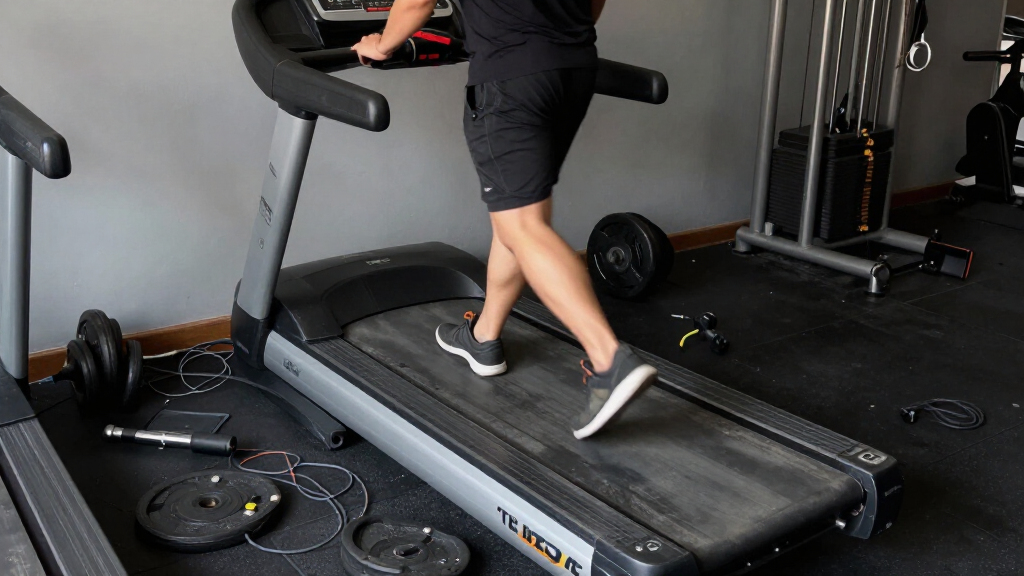
Some gym gear drinks electricity even when you’re not using it. Think of those old, bulky elliptical machines or treadmill consoles that stay in standby mode. Over time, this phantom energy consumption can significantly inflate your utility bills. This waste matters because, while it seems minor per device, the cumulative effect can be substantial, especially in a home with multiple pieces of equipment.
For example, a treadmill left plugged in 24/7 can rack up an extra $50 annually in energy costs, which is money that could be better spent on your fitness or savings. The tradeoff here is between convenience and cost—plugging and unplugging can be inconvenient, but the savings and environmental benefits are worth it.
Choosing energy-efficient models with auto-off features or using smart outlets and timers to cut power when equipment isn’t in use can dramatically reduce this waste. This not only saves you money but also decreases your carbon footprint, aligning your fitness routine with sustainable living principles.
Reducing energy waste isn’t just about saving cents; it’s a conscious choice to lessen environmental impact, which is increasingly important in today’s eco-conscious world. Small adjustments in your equipment usage habits can lead to meaningful savings and a greener home gym.
As an affiliate, we earn on qualifying purchases.
How to Spot Space-Hogging Equipment You Don’t Need
Some gear takes up way more room than it’s worth, often because it’s designed for a single purpose or because it’s bulky and unwieldy. For instance, a large rowing machine might seem like a comprehensive workout device, but if it’s seldom used, it’s taking up valuable space that could be better allocated for versatile or more frequently used equipment.
Cluttered spaces can discourage regular workouts, create safety hazards, and make your home gym less inviting. The tradeoff is between having dedicated, bulky equipment and maintaining a flexible, open area that can adapt to different workouts and accommodate new gear as your fitness evolves. Regularly reassessing your gear helps prevent your space from becoming a storage closet rather than a workout sanctuary.
Prioritize compact, multi-use equipment that can serve multiple purposes, such as adjustable dumbbells or resistance bands, which take up minimal space but offer a wide range of exercises. If something isn’t being used regularly, it’s not just clutter—it’s a barrier to your workout flow. Donating or selling unused equipment can free up space, making your gym more inviting and functional, which directly supports your motivation and progress.
As an affiliate, we earn on qualifying purchases.
Frequently Asked Questions
How can I tell if my gym equipment is actually useful?
Ask yourself how often you use each piece, whether it helps you achieve your fitness goals, and if it still fits your current routine. If you haven’t used it in a month, it’s probably not worth keeping.
Are expensive machines really worth the cost?
Most high-end, single-purpose machines tend to be underused and take up a lot of space. Versatile equipment like adjustable dumbbells or resistance bands often provide better value for your money.
What’s a good way to reduce clutter in my home gym?
Regularly review your gear—if it’s just gathering dust, donate, sell, or repurpose it. Focus on keeping only what you love and use daily.
How can smart technology help me save money in my home gym?
Smart devices like energy-efficient thermostats, timers, and LED lighting reduce electricity waste. Additionally, smart workout apps can help optimize your routines without extra equipment.
Should I invest in eco-friendly or energy-efficient equipment?
Yes. While they may cost more upfront, energy-efficient gear reduces long-term costs and environmental impact. Always look for ENERGY STAR-rated appliances or equipment.
As an affiliate, we earn on qualifying purchases.
Conclusion
Building a home gym isn’t about collecting every shiny piece of equipment. It’s about choosing what truly supports your goals and makes you feel good. Less clutter, less waste—more focus on what matters: your health and happiness.
Next time you think about adding a new gadget or machine, ask yourself: do I really need this? If the answer is no, you’re already making a smarter, more sustainable choice that benefits your wallet, your space, and your well-being.
Halloween Picks
halloween
As an affiliate, we earn on qualifying purchases.