TL;DR

Get workout gear delivered free — and shop member deals
- Fast, free delivery on millions of items
- Access to Prime Big Deal Days deals on October 6–7
- Prime Video, Amazon Music and more included
Picking a barbell for your home gym means considering type, material, capacity, and compatibility. A good-fit barbell boosts safety, performance, and durability—think beyond price tags to long-term value.
Imagine lifting that heavy set of weights in your basement or garage — the right barbell makes all the difference. It’s not just about picking something shiny and cheap; it’s about finding a tool that supports your goals, feels good in your hands, and lasts. A well-chosen barbell can turn your home workout space into a safe, effective training zone.
In this guide, you’ll learn exactly what to look for—whether you’re just starting out or upgrading your setup. We’ll cover types, features, recent trends, and practical tips to help you pick the best barbell for your needs. Ready to lift smarter, not harder? Let’s go.
Prioritize a barbell’s type, material, and capacity based on your current and future lifting goals.
A high-quality Olympic barbell can last for decades with proper maintenance, making it a smart long-term investment.
Ensure compatibility with your weights and space before purchasing—measure twice, buy once.
Invest in a barbell with good rotation and knurling for safer, more comfortable lifts.
Stay updated on new coatings and features that improve durability and grip, especially if you plan to train regularly.
What Type of Barbell Fits Your Goals and Space?
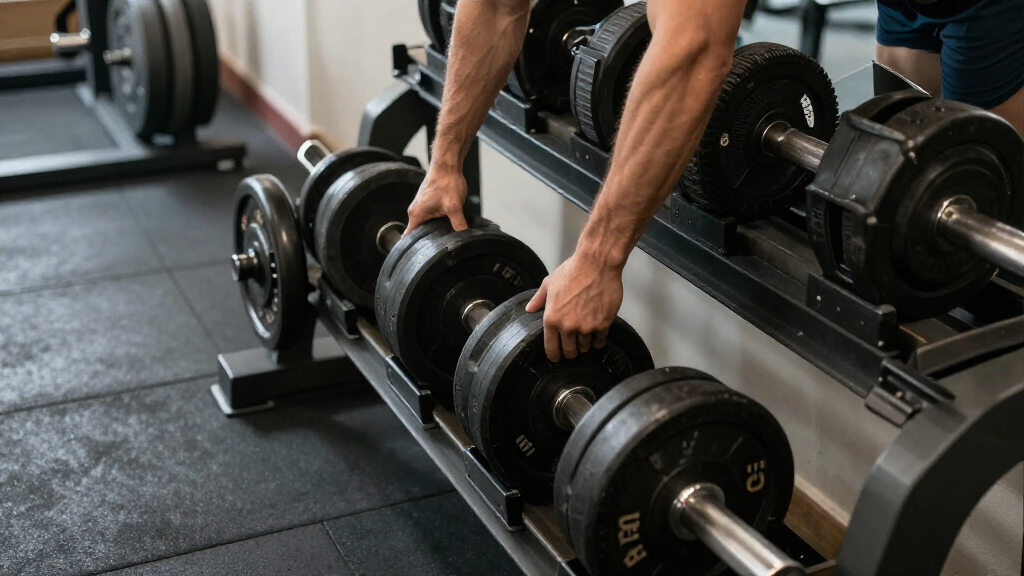
Choosing the right type of barbell is the first step. Standard barbells are usually 1 inch thick, making them lighter and simpler, ideal for beginners or lighter workouts. Olympic barbells, at 2 inches in diameter, are built for heavier lifts and more serious training. They’re usually 7 feet long and can handle over 1,000 pounds.
For example, if you’re lifting for general fitness and don’t plan to go heavy, a standard bar might suffice. But if you want to deadlift or squat with heavier weights, an Olympic bar is the way to go.
Don’t forget space. Olympic bars are longer — about 7 feet — so measure your workout area before buying. Specialty bars like EZ curl bars or trap bars serve specific exercises, but start with a versatile Olympic or standard bar.
Understanding the differences isn’t just about size; it impacts your training quality and safety. Using a standard bar for heavy lifts can be unsafe because it might not withstand the force, and the grip may be less secure. Conversely, Olympic bars are designed with specific features—like higher load capacity and better knurling—that support more advanced lifting techniques. Choosing the right type ensures you can progress safely and effectively without needing frequent upgrades, which saves money and reduces frustration.
As an affiliate, we earn on qualifying purchases.
How Material and Construction Impact Durability
The material your barbell is made from influences how long it lasts and how safe it feels. High-quality steel, like stainless or chrome-plated steel, resists rust and keeps its shape over years. This durability is crucial because your barbell will endure repeated impacts, drops, and exposure to sweat, which can cause corrosion. A poorly constructed bar made from softer steel may bend or warp over time, compromising safety and performance.
Knurling is the textured grip area; more aggressive knurling offers better grip but might feel harsh if you train barefoot or have sensitive skin. The depth and pattern of knurling affect how securely you can hold the bar during lifts. Insufficient knurling can lead to slipping, risking injury, while overly aggressive patterns can cause discomfort or skin tearing. Finding the right balance ensures safety without sacrificing comfort.
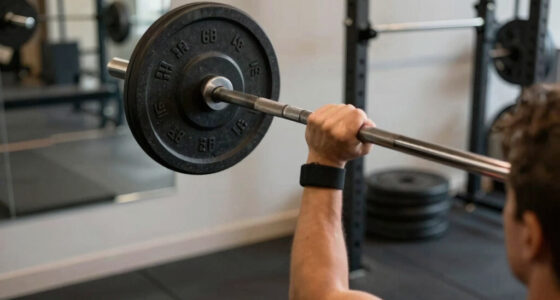
Look for sleeve rotation features—bearings or bushings allow smooth spinning, reducing wrist strain during lifts like snatches or cleans. The quality of these components affects how well the bar handles dynamic movements. A bar with high-quality bearings will rotate smoothly, minimizing torque on your wrists and elbows, which is especially important for Olympic lifts that require precise, quick rotations. A poorly rotating bar can lead to instability and injury, hindering your progress.
Choosing a durable, well-constructed bar means fewer replacements and safer workouts, ultimately saving money and reducing downtime. Investing in high-quality materials and construction ensures your equipment can handle your evolving strength levels and training intensity over years, making it a wise long-term choice.
As an affiliate, we earn on qualifying purchases.
What Size and Capacity Do You Need? A Simple Guide
Knowing the right size and capacity helps you avoid upgrading too soon and ensures your equipment can grow with your strength. Most home gym users opt for a 7-foot Olympic barbell weighing 45 pounds because it strikes a balance between versatility and space efficiency. This size allows for a wide range of lifts—deadlifts, squats, presses—without feeling cumbersome in a typical home setup. Using a standard or shorter bar might limit your progress or feel awkward as you advance.
Capacity is about how much weight the bar can handle safely. Most bars designed for home use have a minimum capacity of 300 kg (roughly 660 lbs), which covers most recreational lifting and some competitive training. If you’re lifting heavy or aiming for strength competitions, a bar with a capacity of 1,000 lbs or more provides a margin of safety and durability. This prevents the risk of bending or failure during maximum lifts, which could cause injury.
Choosing a higher-capacity bar isn’t just about safety; it also offers peace of mind as you progress. For example, if you plan to increase your deadlift from 200 lbs to over 500 lbs, a bar with a higher load capacity ensures your investment remains functional and safe over time. While these bars are often slightly more expensive, they are worth the extra investment if you’re serious about lifting long-term.
As an affiliate, we earn on qualifying purchases.
Price Range: What’s Worth Your Money?
Budget options start around $100, but quality bars for serious lifting usually cost between $150 and $300. Cheaper bars might wear out quickly or have rough knurling that tears your hands. Higher-end bars use better steel, smoother rotation, and more comfortable knurling, which directly impacts your safety and lifting experience. For example, a cheaper bar may develop rust or bend under heavy loads, risking injury or damage to your equipment.
Think of your barbell as an investment. Spending a little more now can mean safer lifts and a longer-lasting piece of equipment. A reputable brand’s bar, though initially more expensive, can serve you for decades if well cared for, saving money over time by avoiding frequent replacements.
Balance your budget with your goals. If you’re just starting, a mid-range bar can be perfect, providing durability and comfort without overspending. If you’re lifting heavy regularly or competing, consider splurging on a top-tier option that offers superior materials, knurling, and rotation systems, which enhance safety and performance during intense sessions.
As an affiliate, we earn on qualifying purchases.
How to Pick a Barbell That Fits Your Equipment and Space
Compatibility is key. Check your weight plates and racks—most Olympic plates fit 2-inch sleeves, but standard plates are 1 inch. Measure your space—an Olympic bar is about 7 feet long, so ensure your ceiling height and workout area can handle it. If your ceiling is low, opting for a shorter or specialty bar might be safer and more practical, preventing damage and ensuring safe lifts.
Here’s a quick checklist:
- Barbell length matches your space
- Sleeve diameter fits your weights (1 inch or 2 inches)
- Weight capacity exceeds your max lifts
- Knurling feels comfortable for your grip
- Rotation system suits your lifts (bearings vs. bushings)
Ensuring compatibility isn’t just about fitting equipment; it’s about creating a safe, efficient environment for your training. Using an incompatible bar or insufficient space can lead to accidents or hinder your progress. Take the time to measure and select a bar that complements your existing setup, allowing you to focus on lifting safely and effectively.
Latest Trends and Tech in Barbells You Should Know
Recent innovations focus on durability, grip, and versatility. Advanced coatings—like black oxide or zinc—resist rust longer, which is crucial for longevity in humid environments. Enhanced knurling provides better grip, especially for heavy lifts, reducing slip and improving performance. Some brands now offer multi-purpose bars that work for powerlifting and Olympic lifts alike, offering versatility for varied training routines.
There’s even a push toward sustainable materials, with some companies experimenting with eco-friendly steel and manufacturing processes, aligning with environmentally conscious consumers. Plus, tech-savvy options like smart barbells with sensors are emerging—though more common in gyms than home setups—adding data tracking for strength progress and technique analysis. Staying aware of these trends can future-proof your home gym and keep your lifts safe and effective, giving you access to cutting-edge features that enhance your training experience.
Quick Facts to Keep in Mind When Choosing a Barbell
| Feature | Details |
|---|---|
| Standard weight | 1-inch bars, lighter, good for beginners |
| Olympic weight | 2-inch sleeves, designed for heavy lifting |
| Weight capacity | Most bars handle 1,000+ lbs; choose based on your lifts |
| Knurling | Textured grip; varies from mild to aggressive |
| Rotation system | Bearings for smooth spin, bushings for a budget option |
Common Questions About Buying a Barbell
Q: What is the best type of barbell for beginners? A: A standard barbell or an Olympic bar depending on your budget and goals. Both are suitable for starting out and can grow with you. Consider how much weight you plan to lift and your space—if you’re just starting, a standard bar is affordable and simple; for more serious lifting, an Olympic bar offers better durability and safety features.
Q: How much should I spend on a good barbell? A: Expect to pay between $100 and $300 for a quality bar. Investing in a reputable brand ensures safety, durability, and better performance, which are essential for long-term progress. Cheaper options may save money upfront but often come with compromises that can cost more in repairs or replacements over time.
Q: Do I need a special barbell for heavy lifts? A: Yes, a heavy-duty Olympic bar with a capacity of at least 1,000 lbs is ideal for serious lifting, especially if you’re lifting near your maximum. However, most home users find a bar with a capacity of 300-600 lbs sufficient for years of training, as this covers most recreational and intermediate lifting needs. Choosing a higher capacity provides peace of mind and safety for future progress.
Q: Can I use standard weights with Olympic barbells? No, because the sleeve diameters differ. Olympic weights need a 2-inch sleeve, while standard weights fit 1-inch sleeves. Using incompatible weights can cause damage to your equipment or unsafe lifting conditions. Always match your weights to the sleeve size of your barbell.
Q: How do I maintain my barbell? Regular cleaning, lubrication, and inspection for rust or damage are vital. Wipe down after use, apply light oil to prevent rust, and check knurling and rotation components periodically. Proper maintenance extends the life of your barbell, maintains safety, and ensures consistent performance over years of use.
Conclusion
Choosing the right barbell isn’t about the flashiest gear or the highest price. It’s about understanding what fits your goals, space, and budget — and investing in quality that lasts. That smart choice can turn your home gym into a safe, effective space for years to come.
Remember, a good barbell is the foundation of safe lifting. Think of it as the backbone of your training — solid, reliable, and built to grow with you. Now, go pick the one that’s right for your journey.
Fall Picks
fall essentials
As an affiliate, we earn on qualifying purchases.