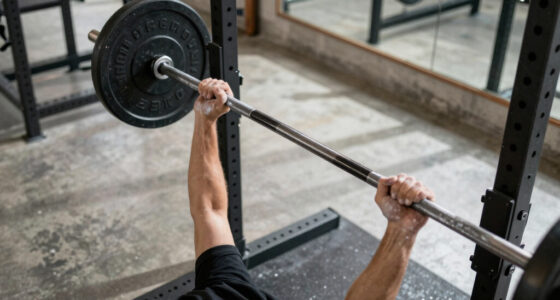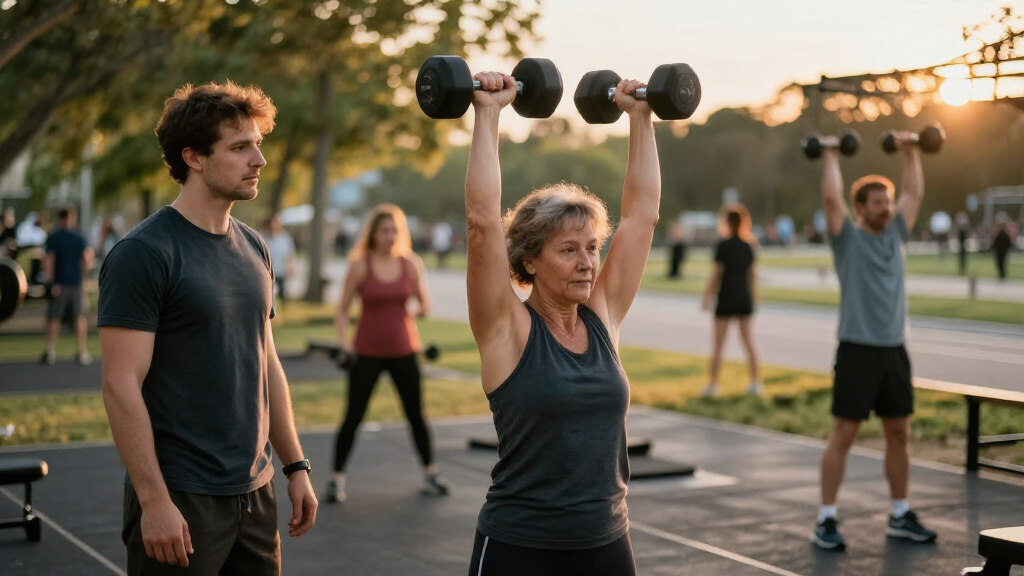

A 47-year study tracking 427 men and women born in 1958 found that aerobic fitness and muscular endurance generally peak between ages 26 and 36, with average physical performance beginning to decline around age 35. The findings, published in 2025 in the Journal of Cachexia, Sarcopenia and Muscle, also show that adults who became more physically active improved their physical capacity, even though activity did not eliminate age-related decline.

Get workout gear delivered free with Prime
- Fast, free delivery on millions of items
- Prime Video, Amazon Music and more included
- Member-only deals all year
Background
The project began when participants were 16 and continued through age 63, spanning 47 years of repeated assessments. Long-term follow-up helps distinguish changes within individuals from differences between generations or between people who start with different physical abilities. The sample consisted of 427 randomly selected men and women born in 1958; it is not a measurement of every population or every individual.
Researchers report that aerobic fitness and muscular endurance generally reached their highest levels between ages 26 and 36, while power peaked earlier in some cases. The reported decline was modest at first and accelerated with age. The study describes the overall pattern, not a sharp or universal change on a person’s 35th birthday.
A 2026 follow-up using the same cohort, published in Scientific Reports, examined aerobic fitness at ages 34 and 52 and arterial stiffness at age 63. Better aerobic fitness at both earlier ages was associated with less arterial stiffness at age 63, and the association remained significant after accounting for several risk factors. The finding is an association and does not establish that fitness directly prevented arterial stiffening.
As an affiliate, we earn on qualifying purchases.
What Remains Unclear
The research establishes a pattern in this Swedish cohort but does not explain exactly why performance begins declining in the mid-30s. The report discusses possible contributions from changes in muscle cells, the nervous system and the body’s energy production, including mitochondrial function. These are possible mechanisms, not conclusions proven by the study.
The findings also do not set an individual timetable. Participants varied in fitness, and a population average cannot predict precisely when or how quickly a particular person’s strength or endurance will change. The supplied material does not detail the exercise routines behind the adult improvements. The 2026 follow-up found an association between better aerobic fitness at ages 34 and 52 and less arterial stiffness at age 63, but that association does not show that fitness directly prevented stiffening.
muscular endurance training gear
As an affiliate, we earn on qualifying purchases.
As an affiliate, we earn on qualifying purchases.
What’s Next
Westerståhl said researchers plan to investigate the mechanisms behind the age-related performance pattern and how activity can slow, but not fully prevent, the decline. The next research question is not only when average abilities peak, but which biological changes shape that trajectory and how physical activity affects them.
A 2026 follow-up using the same cohort reported that better aerobic fitness at ages 34 and 52 was associated with less arterial stiffness at age 63, even after accounting for several risk factors. The association does not establish that fitness directly prevented arterial stiffening. For now, the 47-year findings support a measured conclusion: average performance began falling around midlife, but adults who increased activity could still improve their physical capacity.
Source: rss
fitness trackers for age-related decline
As an affiliate, we earn on qualifying purchases.
As an affiliate, we earn on qualifying purchases.
strength training equipment for adults
As an affiliate, we earn on qualifying purchases.
As an affiliate, we earn on qualifying purchases.
Fall Picks
fall essentials
As an affiliate, we earn on qualifying purchases.