
TL;DR

Get workout gear delivered free — and shop member deals
- Fast, free delivery on millions of items
- Access to Prime Big Deal Days deals on October 6–7
- Prime Video, Amazon Music and more included
A simple nightly recovery routine involves consistent sleep schedules, relaxing activities, and optimizing your environment. Recent tech and science advances make it easier to tailor your routine for better sleep and recovery, supporting physical and mental health.
Stick to a consistent sleep schedule to maximize sleep efficiency.
Spend at least 15 minutes on calming activities before bed to signal your body it’s time to rest.
Create a sleep-friendly environment—cool, dark, and quiet—using simple changes like blackout curtains or white noise.
Limit blue light exposure at least an hour before sleep, or use filters if screens are unavoidable.
Incorporate relaxation techniques like deep breathing or meditation to reduce stress and support recovery.
Create a Bedtime That Your Body Can Count On
Going to bed and waking up at the same time every day helps your body clock stay consistent. This regularity improves sleep quality and makes recovery more efficient. For example, if you go to bed at 10:30 pm and wake at 6:30 am, your body learns to expect rest at those hours, making falling asleep easier over time.
Stick to this schedule even on weekends. It might sound rigid, but your body rewards you with more restorative sleep and less tossing and turning. Over a week, this consistency can boost sleep efficiency by nearly 20%.
As an affiliate, we earn on qualifying purchases.
Wind Down with Calming Activities
Spend 15-30 minutes before bed doing something relaxing—think gentle stretching, reading, or deep breathing. For instance, a slow 10-minute stretch routine can reduce muscle tension accumulated during the day and signal your nervous system to wind down.
A real-world example: switching from social media or work emails to a calming audiobook creates a mental cue that it’s time to relax. These low-stimulation activities tell your brain it’s okay to shift into recovery mode.
As an affiliate, we earn on qualifying purchases.
Limit Screen Time and Blue Light Exposure
Blue light from screens can suppress melatonin production, making it harder to fall asleep. Aim to turn off phones, tablets, and computers at least an hour before bed. If unavoidable, use blue light filters or glasses to reduce impact.
For example, switching to a paper book or listening to soft music can help your brain associate the evening with rest rather than stimulation.
As an affiliate, we earn on qualifying purchases.
Create a Restful Bedroom Environment
Make your bedroom a sleep sanctuary. Keep it cool—around 60-67°F (15-19°C)—dark with blackout curtains, and quiet. A comfortable mattress and pillows also support deeper sleep.
Imagine lying in a dark, cool room that smells faintly of lavender—your body recognizes this as a cue for sleep. A well-optimized environment can improve sleep quality by up to 30% according to recent studies.
As an affiliate, we earn on qualifying purchases.
Incorporate Relaxation Techniques for Deeper Recovery
Deep breathing, progressive muscle relaxation, or mindfulness meditation can ease stress and prepare your mind for sleep. These techniques work by activating your parasympathetic nervous system—the part responsible for rest and digestion—thus helping your body shift into recovery mode. For example, practicing 5 minutes of diaphragmatic breathing not only lowers cortisol levels but also reduces heart rate variability, which is associated with stress reduction and improved sleep quality.
Deep relaxation techniques are especially valuable because they directly influence your nervous system’s response to stress. By regularly engaging in these practices, you’re training your body to more effectively transition into a state of rest, which enhances both sleep depth and recovery. This means fewer awakenings during the night, more restorative sleep cycles, and quicker physical repair — crucial after intense workouts or stressful days.
Gentle Movement and Recovery Work
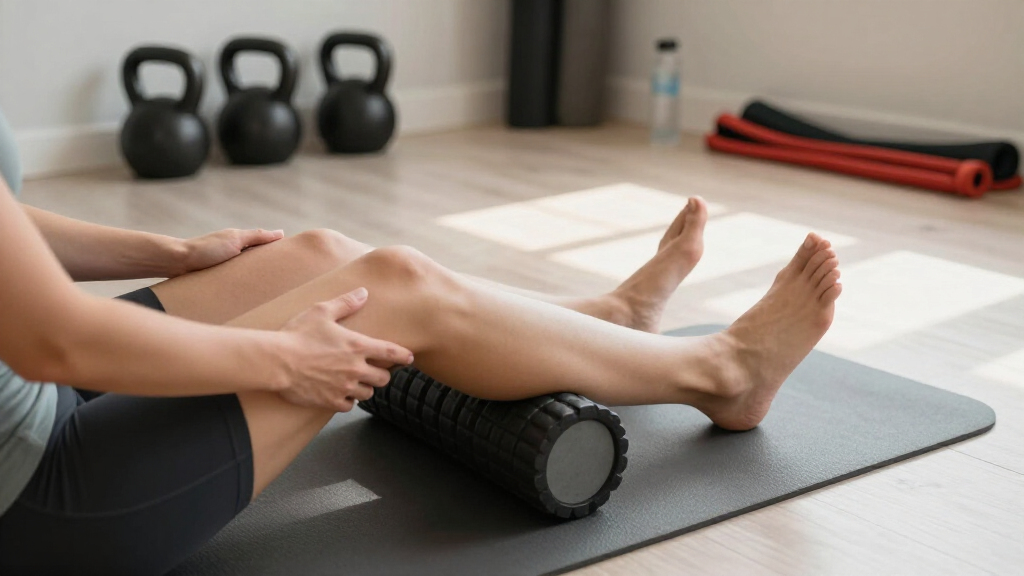
Including light stretching or foam rolling in your nightly routine helps reduce muscle soreness and improves circulation. For example, gentle hamstring stretches or calf rolls after a workout can ease tightness and promote relaxation.
Picture yourself rolling a foam ball over tight calves, feeling the tension melt away. This kind of mindful movement supports your body’s natural repair processes overnight.
Recent Tech and Science That Make It Easier
Smart sleep trackers, blue light filters, and calming apps are changing how we build routines. Devices like sleep rings or watches give insights into sleep quality, helping you tweak your habits for better recovery.
Guided meditation apps like Calm or Headspace offer quick, effective relaxation sessions, making mental recovery accessible even on busy nights. Smart lighting systems that dim gradually or adjust temperature can turn your bedroom into a sleep oasis effortlessly.
Frequently Asked Questions
How long should my nightly recovery routine be?
Even 15-30 minutes of calming activities can make a big difference. The key is consistency, not duration.What activities are best for winding down?
Reading, gentle stretching, listening to calming music, or practicing deep breathing are all effective options that signal your body it’s time to relax.How can I improve my sleep environment?
Keep the room cool (around 60-67°F), dark with blackout curtains, and quiet. Comfortable bedding and white noise machines can also help.Is it necessary to avoid screens entirely before bed?
Ideally, yes. If you must use screens, reduce blue light exposure with filters or glasses and limit use at least an hour before sleep.Can supplements help with recovery?
Some people use melatonin, magnesium, or herbal teas, but it’s best to consult a healthcare provider before adding supplements to your routine.Conclusion
A simple nightly recovery routine isn’t about perfection. It’s about creating habits that tell your body sleep is a priority. When your environment, activities, and schedule align, rest becomes easier—and so does recovery. Imagine drifting into a peaceful, restorative sleep—night after night—that’s within your reach.Fall Picks
fall essentials
As an affiliate, we earn on qualifying purchases.