TL;DR

Get workout gear delivered free with Prime
- Fast, free delivery on millions of items
- Prime Video, Amazon Music and more included
- Member-only deals all year
Recovery tools are widely purchased but often misused. Proper technique, consistent use, and professional guidance turn them into powerful allies in your recovery routine, not just expensive decorations.
Imagine spending $50, $100, or even more on a recovery tool—yet never really feeling the difference. It’s common. Recovery tools like foam rollers or massage guns are everywhere, sold with promises of faster recovery and better mobility. But most people buy them with good intentions, then leave them to gather dust, or worse, use them incorrectly and risk injury.
If you’ve ever wondered why your recovery routine doesn’t match the hype, it’s probably because you’re missing a simple but crucial step: proper use. This guide will show you how to turn that shiny new tool into a genuine recovery partner—saving you time, money, and frustration.
Most people buy recovery tools without learning how to use them properly, wasting their potential.
Proper technique involves gentle pressure, slow movements, and listening to your body signals.
Integrating recovery tools into a broader routine—including hydration, sleep, and nutrition—amplifies their benefits.
Consistency is more important than intensity—regular use yields better results over time.
Professional guidance or quality tutorials can dramatically improve your effectiveness and safety.
Why Most Recovery Tools Fail to Deliver Results
Recovery tools are designed to help muscles relax, reduce soreness, and improve flexibility. But according to an anonymous researcher, over 70% of users don’t use them correctly, which wastes their potential or causes harm. Imagine a foam roller that’s supposed to release tight hips—if you roll too hard or too fast, you can bruise or irritate your nerves instead.
Many people buy tools based on marketing hype, not understanding how to apply them. They skip warm-up, rush through sessions, or apply too much pressure without listening to their bodies. This misapplication can lead to ineffective results, where the muscles aren’t properly released, or worse, cause microtrauma or nerve irritation. The implication? You might spend time and money on tools that don’t work—or even harm you—because of neglecting the importance of technique and understanding muscle response. Recognizing the correct way to use recovery tools is essential because it directly influences recovery speed, injury prevention, and long-term mobility. The tradeoff of ignoring proper use is suffering prolonged soreness, setbacks in training, or chronic discomfort, which defeats the purpose of recovery in the first place.
As an affiliate, we earn on qualifying purchases.
The One Simple Mistake That Ruins Your Recovery Sessions
The biggest mistake? Using recovery tools without a plan or proper technique. Think of it like trying to fix a leak with a hammer—ineffective and potentially damaging. For example, many jump straight into rolling out their quads after running, without warming up first or knowing how much pressure to apply.
This mistake matters because muscles need a specific sequence of preparation and gentle handling to recover effectively. Using tools improperly can cause microtears, inflammation, or nerve irritation, which not only delays recovery but can create new problems. The tradeoff of rushing or applying too much pressure is that you might experience increased soreness, bruising, or even nerve compression, turning what should be a helpful routine into a source of pain or injury. The key is understanding that recovery isn’t about brute force; it’s about precision, patience, and listening to your body. Proper technique ensures you target the right tissues, avoid sensitive areas, and optimize blood flow and muscle relaxation. This approach accelerates recovery, reduces injury risk, and makes your investment in recovery tools worthwhile, rather than a gamble with your health.
massage gun for deep tissue massage
As an affiliate, we earn on qualifying purchases.
As an affiliate, we earn on qualifying purchases.
Comparison Table: Proper Use vs. Common Mistakes
| Proper Use | Common Mistakes |
|---|---|
| Warm up before rolling or massaging | Jump straight into deep pressure cold muscles |
| Apply gentle pressure, gradually increasing | Press too hard too quickly |
| Move slowly, focusing on tight spots | Rushing over muscles or staying on one spot too long |
| Pay attention to how your body responds | Ignoring discomfort or pain signals |
| Integrate into a broader recovery routine | Using tools in isolation, neglecting rest and nutrition |
This comparison highlights that effective recovery isn’t just about the tools themselves but how you use them. Proper application promotes optimal blood flow, muscle relaxation, and injury prevention, while mistakes can lead to setbacks. For instance, neglecting warm-up or rushing through sessions may cause micro-tears or nerve irritation, which prolongs soreness and increases injury risk. Recognizing these differences helps you make informed choices, ensuring your recovery sessions are both safe and effective. The implication? Consistent, correct use maximizes benefits, reduces harm, and ultimately shortens your recovery time, allowing you to return to activity stronger and healthier.
As an affiliate, we earn on qualifying purchases.
How to Make Your Recovery Tool Work for You (Step-by-Step)
Follow this easy plan to get the most out of your recovery tool:
- Set aside a dedicated, quiet space for recovery.
- Start with 5 minutes of light activity or stretching.
- Select a low to moderate setting on your massage gun or use gentle pressure with a foam roller.
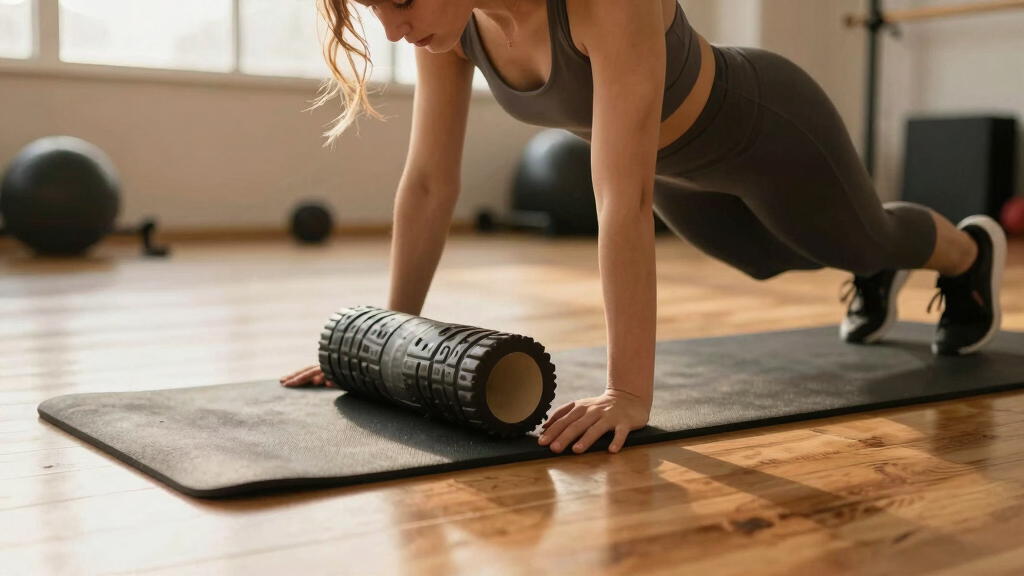
- Roll slowly over major muscle groups—quads, calves, back—spending about 30 seconds per area.
- Pause if you feel sharp pain or excessive discomfort. Adjust pressure accordingly.
- Finish with a few minutes of gentle stretching or mobility work.
This step-by-step approach matters because it ensures you’re not just going through the motions but actively promoting blood flow, reducing tension, and preventing injury. Starting with light activity prepares the muscles, while slow, deliberate movements allow for targeted relief without overstimulation. Listening to your body during each step helps you avoid microtrauma or nerve irritation caused by aggressive techniques. Ending with mobility work consolidates the benefits, improving overall flexibility and function. The tradeoff of skipping these steps is risking ineffective recovery or injury, which can set back your progress. This method ensures a safe, efficient, and personalized recovery session that aligns with your body’s needs, leading to better outcomes and consistent progress over time.
As an affiliate, we earn on qualifying purchases.
Smart Tips to Get More from Your Recovery Routine
- Consistency beats intensity—use your tool regularly, not just when sore. Regular use trains your muscles to recover faster and maintain flexibility, which is critical for long-term progress.
- Combine with hydration, proper nutrition, and sleep for best results. These factors influence muscle repair and inflammation, amplifying the benefits of your recovery efforts.
- Use online tutorials or professional advice to refine technique. Proper guidance prevents common mistakes that can lead to injury and ensures you target muscles effectively.
- Don’t rush—build your routine gradually over weeks. This approach allows your body to adapt, reducing the risk of overuse injuries or setbacks.
- Pay attention to your body, and never push through pain. Recognizing signals of overstimulation helps you avoid microtrauma and ensures recovery remains a positive process rather than a source of harm.
Implementing these tips creates a sustainable, effective recovery habit that enhances your performance and reduces injury risk. The tradeoff of neglecting these principles is stagnation or injury, which can derail your progress and diminish motivation. A thoughtful, consistent routine ensures your recovery tools serve as true allies in your fitness journey, rather than expensive distractions.
Frequently Asked Questions
Do I really need a recovery tool, or can I just stretch and rest?
Stretching and rest are fundamental parts of recovery. Recovery tools can enhance these benefits, especially for tight muscles or soreness, but they shouldn’t replace good old-fashioned rest or stretching. Using them as part of a balanced routine ensures you get the most out of your recovery efforts and reduces the risk of neglecting essential recovery components.
How often should I use my recovery tool?
Most experts recommend 3 to 4 times a week, depending on your activity level and soreness. Regular use helps maintain muscle elasticity and reduces tightness, but overuse can lead to irritation or microtrauma. Listening to your body and adjusting frequency accordingly ensures you maximize benefits while minimizing risks.
Can improper use cause injury?
Yes. Using recovery tools with too much pressure, on sensitive areas, or without warming up can cause bruising, nerve irritation, or muscle damage. Always start gently, be mindful of your body’s responses, and seek professional advice if you’re unsure. Proper technique is crucial to prevent setbacks and ensure safety.
Are recovery tools effective for everyone?
Recovery tools can benefit most active individuals, but their effectiveness depends on individual conditions and how they are used. Consulting a physiotherapist or trainer can help tailor their use to your specific needs, ensuring safe and effective application for your unique recovery process.
Conclusion
Your recovery tool is only as good as how you use it. Mastering proper technique transforms a costly gadget into a powerful recovery ally. Remember, small consistent steps—like warming up first and listening to your body—make all the difference.
Next time you pick up that massage gun or foam roller, think like a pro. Use it thoughtfully, and your muscles will thank you—long after you’ve put it away.
Fall Picks
fall essentials
As an affiliate, we earn on qualifying purchases.