
TL;DR

Get workout gear delivered free with Prime
- Fast, free delivery on millions of items
- Prime Video, Amazon Music and more included
- Member-only deals all year
Skipping cool-downs can prolong muscle soreness, increase injury risk, and impact overall recovery. Incorporating 5-15 minutes of light activity and stretching helps your body recover safely and effectively.
Ever rush out of the gym, eager to get on with your day? Skipping your cool-down might seem harmless—maybe even a time-saver. But beneath that quick exit lies a hidden cost that could affect your muscles, your heart, and your long-term fitness.
This guide reveals why those last few minutes matter more than you think. You’ll learn what cool-downs do, how ignoring them can backfire, and simple ways to make recovery a seamless part of your routine. Because in fitness, every step counts—especially the slow, gentle ones.
A proper cool-down stabilizes blood flow, preventing dizziness and blood pooling.
Skipping your cool-down can prolong muscle soreness and increase injury risk.
Active recovery and stretching are effective, science-backed ways to cool down.
Cool-down routines should last 5-15 minutes, tailored to your workout intensity.
Using wearable tech and apps can personalize your recovery process for better results.
Why Your Heart and Blood Pressure Need Gentle Care After Exercise
Immediately stopping intense activity causes your heart rate and blood pressure to drop abruptly. This sudden shift can leave you feeling dizzy or lightheaded. A proper cool-down gradually lowers your heart rate, giving your cardiovascular system time to adjust.
Imagine finishing a fast-paced run on a sunny day. If you suddenly stop and sit down, you might feel your head spin or your face flush. A 5-minute walk or slow cycling helps blood flow smoothly back to normal, preventing those uncomfortable sensations.
Why does this matter? Because rapid changes in blood flow and pressure can stress your heart, especially if you have underlying conditions. A gradual cool-down reduces this risk by allowing your body to transition safely from exertion to rest. This not only prevents immediate discomfort but also helps protect your cardiovascular health over time, reducing the chances of fainting or even cardiac strain during recovery.
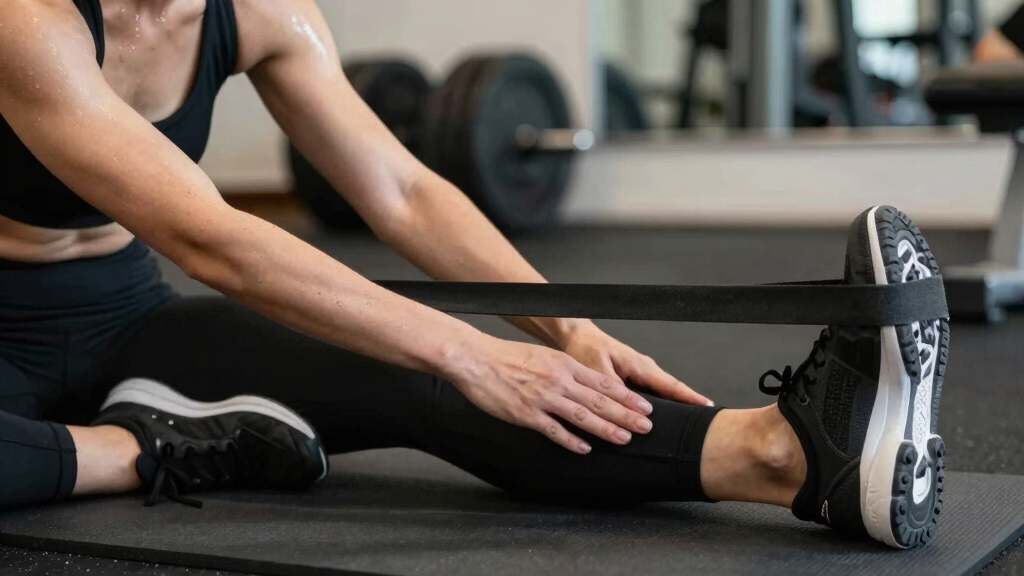
fitness cool-down stretch equipment
As an affiliate, we earn on qualifying purchases.
As an affiliate, we earn on qualifying purchases.
Muscle Soreness and Injury: How Skipping Cool-Downs Makes It Worse
When you skip your cool-down, you leave your muscles in a state of tension and stiffness that can persist longer. This ongoing tension can impair your muscles’ ability to recover efficiently, leading to increased soreness and a higher risk of injury. Furthermore, without gentle movement to facilitate waste removal, metabolic byproducts like lactic acid can accumulate, contributing to soreness and inflammation.
For example, after a tough leg workout, if you immediately jump into your car without cooling down, your muscles remain tight, increasing the likelihood of cramps or strains. Over time, this habitual neglect can cause micro-tears and diminish your flexibility, making you more prone to injuries during future workouts. The longer muscles stay stiff and tense, the more they adapt poorly to stress, which can lead to chronic issues like tendinitis or joint pain. Incorporating cooling down with stretching and light activity helps muscles relax, recover faster, and maintain their elasticity—crucial for long-term performance and injury prevention.
Research indicates that cooling down effectively promotes the removal of metabolic waste products, reduces inflammation, and prevents the cycle of stiffness that can cascade into more severe injuries. This means that investing even a few minutes post-exercise can significantly lower your risk of setbacks and help you stay consistent with your training goals.
As an affiliate, we earn on qualifying purchases.
Progression: Building a Consistent Cool-Down Routine
Understanding the importance of cool-downs is just the first step. The next is to develop a consistent routine that fits your workout schedule and personal preferences. Start by defining your cool-down duration—aim for at least 5 minutes for light workouts and up to 15 minutes after more intense sessions. Incorporate gentle walking, cycling, or swimming, followed by targeted stretching for major muscle groups like hamstrings, calves, and shoulders.
As you become more comfortable with your routine, consider gradually increasing the duration or adding mindfulness practices like deep breathing or meditation to enhance relaxation. Consistency is key—making cool-downs a non-negotiable part of every workout ensures your body adapts and benefits over time. Remember, the goal is to help your body transition smoothly from exertion to rest, reducing soreness and injury risk while promoting long-term health.
As an affiliate, we earn on qualifying purchases.
Conclusion
Skipping your cool-down might save time, but it costs you in recovery, injury prevention, and long-term performance. Those gentle, deliberate minutes are an investment in your body’s health and resilience.
Next time you finish your workout, remember: the slow, mindful cool-down isn’t just a ritual—it’s a smart move for a stronger, healthier you.
As an affiliate, we earn on qualifying purchases.
Frequently Asked Questions
Is it really necessary to cool down after every workout?
Yes, especially after high-intensity or long sessions. Cooling down helps your heart and muscles recover gradually, reducing dizziness, soreness, and injury risk.What are the best exercises for a cool-down?
Light walking or slow cycling, followed by targeted stretching for major muscles like hamstrings, calves, and shoulders. Deep breathing can also enhance relaxation.Can skipping a cool-down cause long-term health issues?
Habitually neglecting cool-down routines can lead to chronic muscle tightness, reduced flexibility, and increased injury risk over time, especially as you age.How long should a cool-down last?
Typically 5-15 minutes, depending on workout intensity. Longer sessions may require more extended cool-down periods for full recovery.Are there alternatives to traditional cool-downs?
Yes, active recovery, yoga, and mindfulness practices like deep breathing all support recovery and can be tailored to your preferences and needs.Conclusion
Skipping your cool-down might save time, but it costs you in recovery, injury prevention, and long-term performance. Those gentle, deliberate minutes are an investment in your body’s health and resilience.
Next time you finish your workout, remember: the slow, mindful cool-down isn’t just a ritual—it’s a smart move for a stronger, healthier you.
Fall Picks
fall essentials
As an affiliate, we earn on qualifying purchases.