TL;DR

Get workout gear delivered free with Prime
- Fast, free delivery on millions of items
- Prime Video, Amazon Music and more included
- Member-only deals all year
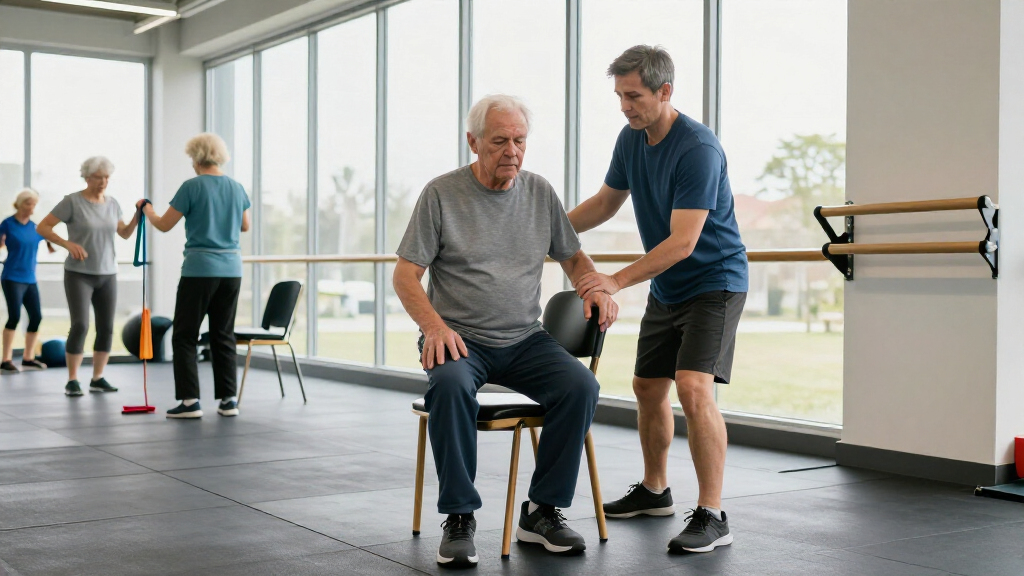
HHS named eight recipients for a $27.8 million, three-year effort to prevent falls among older adults. The awards will support the expansion of the CDC’s STEADI program and the community-based Stepping On program; each recipient is slated to receive $1,940,162, subject to fund availability.
The U.S. Department of Health and Human Services (HHS) has named eight recipients for a $27.8 million initiative intended to reduce falls among older adults, including two organizations that provide or support home-based care. HHS says the funding will be distributed over three years to expand prevention programs and link healthcare providers with community organizations.
HHS said each recipient is set to receive $1,940,162, subject to fund availability. The awards are intended to help states and local organizations prevent falls and expand programs described in the source report as proven. The department’s announcement covers three fall-prevention programs, with the funding totaling $27.8 million over the three-year period.
The eight named recipients are Health Research, Inc.; the Maryland Department of Health; CHPcommunity, Inc., doing business as Iowa Community HUB; AgeOptions, Inc.; Texas A&M University; Partners In Care Foundation; Central Maine Area Agency on Aging; and The Oasis Institute. Partners In Care Foundation provides care management, in-home assessments, care-transition support and community-based health programs. Central Maine Area Agency on Aging offers adult day services, personal support through its Bridges program, meals and caregiver support.
According to the report, awards will expand two named approaches: the CDC’s Stopping Elderly Accidents, Deaths & Injuries (STEADI) program, which helps healthcare providers screen for and address fall risk, and Stepping On, a community program intended to help older adults improve strength and balance and address fall-related risks. The available source does not specify how the total funding is divided among the three programs.
Funding Connects Clinics and Communities
The awards matter to older adults and the organizations supporting them because fall prevention often involves more than one setting. HHS says the initiative will strengthen relationships between healthcare providers and community organizations, while expanding screening, assessment and community-based prevention. For recipients that work in home and community care, the funding could support efforts to identify risks where older adults live and connect them with services, although the source does not detail each recipient’s planned activities.
The scale of the health burden is substantial. The CDC figure cited in the report is approximately 4.5 million emergency department visits and 1.4 million hospitalizations each year associated with falls among older adults. These are annual totals, not estimates of the number of people who will be reached or injuries the new awards will avert. HHS says the investment is intended to reduce injuries and healthcare costs, but the source does not provide outcome targets or evidence that these awards have already produced results.
Home-based care organizations may be part of that prevention landscape. The two recipients identified in the report have services ranging from personal support and meals to in-home assessments and care management. The awards also include state agencies, a university and community organizations, reflecting an initiative that is not limited to direct home-care providers.
fall prevention assistive devices for seniors
As an affiliate, we earn on qualifying purchases.
As an affiliate, we earn on qualifying purchases.
Two Programs Anchor the Awards
STEADI is a CDC effort aimed at healthcare providers, helping them identify and address patients’ fall risks through screening and assessment. Stepping On is described in the report as a community-based program focused on strength, balance and risks linked to falls. HHS’s stated plan is to expand these approaches through the award recipients; the source does not give a timetable for that expansion or identify which recipient will lead each activity.
The announcement also arrives amid broader work by home-care companies on fall prevention. Home Health Care News reported that Bayada Home Health Care introduced its Enhanced Quality of Care Model in 2025 to assess client risks, including falls, so caregivers could intervene sooner. The report also described mandatory fall-prevention training at TheKey, including safe transfers in clients’ homes. Those company examples are separate from the HHS awards and are not listed as recipients.
HHS Secretary Robert F. Kennedy Jr. framed the investment as a way to prevent injuries and support older people living in their homes and communities. That is the department’s stated rationale; the source provides no independent evaluation of the expected effect of the new funding.
““A fall can change an older American’s life in an instant, and we can prevent many of these injuries.””
— HHS Secretary Robert F. Kennedy Jr., in a statement cited by Home Health Care News
balance and strength training for older adults
As an affiliate, we earn on qualifying purchases.
As an affiliate, we earn on qualifying purchases.
Award Spending and Targets Remain Unspecified
The announcement details available in the source leave important implementation questions unanswered. It is not clear how the $27.8 million will be divided among the three programs, how recipient responsibilities will be allocated, or when local services and training will begin. HHS says each organization will receive $1,940,162 subject to fund availability, but the source does not describe conditions for drawing down the funding or any changes that could affect final payments.
There are also no published targets in the source for how many older adults will be served, how many providers will take part, or how success will be measured. HHS’s stated goal is to reduce falls and related harm, but the reported information does not establish how much the initiative will reduce emergency visits or hospitalizations. The timing and scope of any evaluation are not specified.
home safety products for elderly fall prevention
As an affiliate, we earn on qualifying purchases.
As an affiliate, we earn on qualifying purchases.
Recipients Begin Three-Year Work
The awards are planned to support work over three years. The next details to watch for are recipient plans, local implementation dates, how the STEADI and Stepping On programs will be expanded, and whether HHS publishes funding allocations or performance measures. Those details would help clarify which communities and older adults will be reached and how the department will judge progress.
For now, HHS has announced the recipients and the intended uses of the funding, but the available report does not describe program launch schedules or early results. The initiative’s effect will depend on how recipients put the awards into practice and what outcome data become available during the funding period.
elderly fall risk assessment tools
As an affiliate, we earn on qualifying purchases.
As an affiliate, we earn on qualifying purchases.
Key Questions
How much funding did HHS announce?
HHS named recipients for a $27.8 million initiative planned over three years. The report says each of the eight recipients is set to receive $1,940,162, subject to fund availability.
Which organizations received awards?
The recipients are Health Research, Inc.; the Maryland Department of Health; CHPcommunity, Inc., doing business as Iowa Community HUB; AgeOptions, Inc.; Texas A&M University; Partners In Care Foundation; Central Maine Area Agency on Aging; and The Oasis Institute.
What fall-prevention programs will the awards expand?
The report names the CDC’s STEADI program, which supports provider screening and assessment of fall risk, and the community-based Stepping On program, which focuses on strength, balance and fall-related risks. The source does not explain how funding will be divided between them or the third program included in the initiative.
Are any recipients connected to home-based care?
Yes. Partners In Care Foundation provides care management, in-home assessments and related community programs. Central Maine Area Agency on Aging offers adult day services, personal support, meals and caregiver support.
How will HHS measure whether the initiative works?
The available source does not specify outcome targets, evaluation methods or reporting dates. HHS says the initiative is intended to reduce injuries and healthcare costs, but evidence of results is not yet reported.
Source: rss
Columbus Day / Indigenous Peoples' Day Picks
long weekend sales
As an affiliate, we earn on qualifying purchases.