TL;DR

Get workout gear delivered free with Prime
- Fast, free delivery on millions of items
- Prime Video, Amazon Music and more included
- Member-only deals all year
Contrast therapy alternates hot and cold to create quick changes in blood flow and reduce post-exercise soreness. While it can make you feel better temporarily, it doesn’t detox, boost immunity, or speed healing dramatically. Use it as a recovery boost, not a magic solution.
Imagine stepping into a steaming hot shower, then plunging into icy water. That jarring switch feels invigorating, right? But what does contrast therapy actually do for your body, beyond the quick shock? If you’re curious about whether it’s worth trying for recovery or relaxation, this guide will clear up what science says and what’s just hype.
You’ll learn how alternating heat and cold affects your circulation, soreness, and nervous system. Plus, I’ll share practical tips on using contrast therapy safely and effectively. No fluff, no empty promises—just straightforward info you can trust.
Contrast therapy causes quick, temporary changes in superficial blood flow, but doesn’t produce lasting circulatory benefits.
It modestly reduces muscle soreness and perceived fatigue but is not a substitute for proper recovery practices.
Temperatures should be comfortable, not extreme; always listen to your body and stop if you feel unwell.
It can support relaxation and alertness, but it’s not a cure for inflammation or tissue damage.
Consult a healthcare professional if you have underlying health issues before trying contrast therapy.
What Contrast Therapy Really Does for Your Body
Alternating heat and cold creates fast changes in superficial blood flow and may modestly ease post-exercise soreness. It can help you feel refreshed, relaxed, or alert—but it does not detox the body, dramatically accelerate healing, or replace the foundations of recovery.
The “vascular pump” in action
Heat widens vessels near the skin; cold narrows them. Alternating the two produces repeated, short-lived shifts in superficial circulation—not a lasting upgrade to vascular health.
Heat applied
Superficial blood vessels dilate, bringing more warm blood toward the skin and treated muscles.
Cold applied
Vessels constrict, surface blood flow drops, and cold triggers a more alert sympathetic response.
Cycle repeats
Repeated widening and narrowing creates the temporary sensation of a circulatory “pump.”
Baseline returns
The acute effect fades. Evidence does not show durable circulatory improvement from a session.
The flow changes are real, but they are brief pulses. Long-term vessel health still depends far more on regular aerobic activity, blood-pressure control, sleep, and other sustained habits.
Where the evidence is strongest
The most credible effects concern how recovery feels in the hours or days after hard exercise. Objective restoration of strength, power, and tissue repair is less consistent.
Modest relief after strenuous exercise
Alternating water temperatures may reduce how sore or fatigued muscles feel compared with passive rest. Pain-signal dampening and temporary stiffness relief may contribute.
Feeling fresher can still matter
Athletes often report better readiness or reduced heaviness. That subjective improvement can be useful before another event, even when performance measures change little.
Two different nervous-system cues
Warmth may reduce tension and help some people wind down. Cold is stimulating, often increasing breathing and alertness—especially if used close to bedtime.
What it can—and cannot—do
Relief is not the same as repair. A treatment can make recovery feel easier without dramatically changing the biological timeline of muscle regeneration or injury healing.
| Claim | Evidence verdict | What is probably happening | Practical interpretation |
|---|---|---|---|
| Reduces post-workout soreness | ✓ Supported Modest subjective benefit |
Temperature shifts may dull pain signals and briefly reduce stiffness. | Useful when feeling better helps you recover between demanding sessions. |
| Improves long-term circulation | ~ Limited Acute effect only |
Surface vessels repeatedly dilate and constrict, then return toward baseline. | Use as a pick-me-up, not a substitute for regular cardiovascular exercise. |
| Speeds tissue healing dramatically | ~ Inconsistent No clear major effect |
Feeling less sore does not prove faster repair of damaged tissue. | Follow medical rehabilitation plans for meaningful injuries. |
| Flushes lactate or toxins | ✗ Unsupported Misleading mechanism |
Lactate is processed relatively quickly; liver and kidneys manage waste removal. | Do not treat temperature changes as a detoxification method. |
| Boosts immunity or weight loss | ✗ Unproven Claims exceed evidence |
Acute stress responses are not the same as proven durable health outcomes. | Keep expectations narrow and evidence-based. |
| Temporarily limits swelling | ~ Plausible Context dependent |
Cold and immersion pressure may briefly limit fluid accumulation in limbs. | Not a stand-alone treatment for significant injury or persistent swelling. |
Keep the contrast tolerable
There is no universally accepted best routine. Start mild, enter gradually, and adjust the ratio to your purpose and tolerance. Extreme heat or cold is unnecessary.
Use comfortably hot water—not scalding temperatures.
Choose tolerable cold and keep breathing controlled.
Many athletic routines spend more time warm than cold.
Cold may feel alerting; warm may feel more calming. Neither ending is proven superior.
Start conservatively
Beginners should use milder temperature differences. Comfortably distinct is enough. Avoid breath-holding, sudden extreme immersion, and sessions that leave you shivering uncontrollably.
Stop immediately if unwell
End the session if you become dizzy, numb, confused, short of breath, faint, or unusually distressed. Never push through warning signs for the sake of a protocol.
Put it in the right place
Contrast therapy works best as one optional link in a larger recovery chain. It should support proven habits, not displace them.
The bottom line
Use contrast therapy when short-term relief, relaxation, or alertness is valuable. Keep it comfortable, judge it by how you respond, and do not confuse feeling recovered with fully restored tissue or performance.
Check first if health risks apply
Consult a healthcare professional before trying contrast therapy if you have cardiovascular disease, blood-pressure problems, impaired sensation, circulation disorders, pregnancy-related concerns, or another condition affected by rapid temperature changes.
How Contrast Therapy Changes Your Blood Flow — The Vascular Pump in Action
Contrast therapy causes your blood vessels to repeatedly widen and narrow. When you’re in heat, superficial vessels expand, bringing more blood to your skin and muscles. Switch to cold, and they constrict, reducing blood flow. This cycle creates a ‘vascular pump’ that might temporarily boost circulation in the areas you’re treating.
For example, athletes often say their limbs feel ‘pumped up’ after a contrast session. That’s because of these rapid changes in blood flow, which can give a fleeting feeling of rejuvenation. But does it clear out toxins or improve long-term circulation? The evidence says not really.
According to research, these short-term shifts are real but don’t necessarily lead to lasting health benefits. Think of it like squeezing a garden hose — a quick pulse, then back to normal. The repeated dilation and constriction can temporarily increase blood flow in superficial tissues, which may help reduce muscle tension or stiffness temporarily. However, because this effect is so transient, it doesn’t give your body enough time to make meaningful structural changes. The implications are that while you might feel invigorated, the underlying circulatory health remains unchanged. This tradeoff highlights that contrast therapy should be viewed as a short-term aid rather than a comprehensive solution to circulation issues.
contrast therapy cold and heat packs
As an affiliate, we earn on qualifying purchases.
As an affiliate, we earn on qualifying purchases.
Does Contrast Therapy Really Reduce Soreness? The Truth About Post-Workout Relief
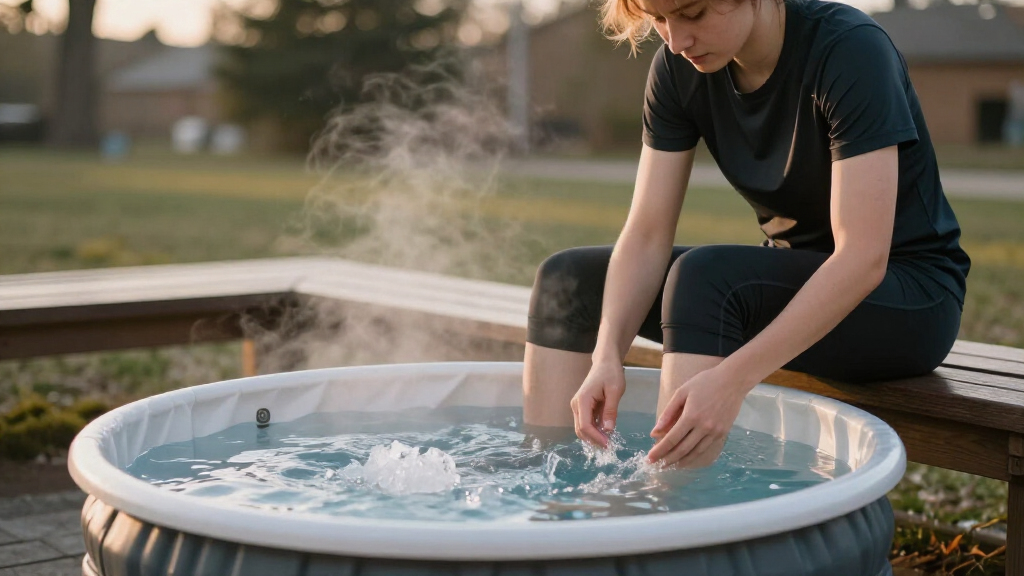
Contrast therapy may help you feel less sore after a tough workout. Studies suggest that alternating hot and cold water can modestly decrease the perception of muscle pain and fatigue. For instance, many runners use contrast baths after long runs, reporting they bounce back faster.
One common scenario: after a marathon, an athlete dips their legs into warm water for a few minutes, then switches to ice-cold plunge pools. The result? A noticeable reduction in that tight, aching feeling the next day. But it’s important to note that this relief is mostly subjective — the muscles aren’t necessarily healing faster.
Why does this happen? The temperature shifts can temporarily dull nerve signals that transmit pain, creating a feeling of relief. Additionally, the increased blood flow in superficial tissues might help reduce muscle stiffness momentarily. However, this doesn’t mean the muscles are regenerating or repairing damage any faster. The tradeoff is that while you may feel better temporarily, the underlying muscle repair process remains unchanged. Therefore, contrast therapy should be considered a short-term comfort measure rather than a method to accelerate recovery or prevent soreness from becoming chronic. Recognizing these nuances helps set realistic expectations and avoid overestimating its benefits.
As an affiliate, we earn on qualifying purchases.
Contrast Therapy and Circulation — Does It Keep Your Blood Moving?
Yes, contrast therapy causes quick, superficial changes in blood flow. When you switch from hot to cold, blood vessels open and close rapidly, creating a ‘pump’ that can temporarily enhance circulation. But does this lead to improved long-term blood flow? The evidence is thin.
Think of it like a quick burst of energy rather than a sustained workout for your circulation. These short-term changes might make you feel more alert or energized temporarily, but they don’t establish lasting improvements. The underlying health of your blood vessels—like their elasticity and ability to regulate blood flow—requires consistent cardiovascular activity for meaningful change. Relying solely on contrast therapy can give a false sense of improved circulation, potentially distracting from more effective long-term habits. The practical takeaway? Use contrast therapy as a quick pick-me-up rather than a substitute for regular exercise, which promotes lasting vascular health and better blood flow over time.
Understanding this distinction is important because it clarifies that the benefits are mainly perceptual or short-lived, not a replacement for proven cardiovascular practices. The tradeoff is that while contrast therapy can boost your mood or perceived energy temporarily, it shouldn’t replace habits like walking, cycling, or other aerobic activities that produce sustained improvements in your circulatory system.
muscle recovery cold hot therapy kit
As an affiliate, we earn on qualifying purchases.
As an affiliate, we earn on qualifying purchases.
What Contrast Therapy Can and Can’t Do for Your Recovery
Contrast therapy can be a helpful part of your recovery toolbox, but it’s not a cure-all. It’s good for short-term relief of soreness, relaxing muscles, and feeling invigorated. For example, many athletes use it after intense training sessions to feel less stiff the next day.
However, it doesn’t clear toxins, speed up healing dramatically, or improve strength. The idea that it flushes out lactic acid or detoxifies your body isn’t supported by science. Instead, your liver and kidneys handle those jobs, filtering out waste and toxins efficiently. Relying on contrast therapy for detoxification is a misconception; the body’s natural detox systems are far more effective and complex than temperature-based treatments. The true value of contrast therapy lies in its ability to provide a temporary sense of relief and relaxation, which can psychologically support your recovery process. Recognizing its limitations helps prevent overdependence and encourages a balanced approach that includes proper nutrition, rest, and active recovery practices.
As an affiliate, we earn on qualifying purchases.
The Typical Protocols — How to Do Contrast Therapy Safely and Effectively
There’s no one-size-fits-all routine, but most protocols look like this: 1–4 minutes in warm water, followed by 30 seconds to 2 minutes in cold water. Repeat 3–5 times, for a total of about 10–20 minutes. Temperatures should feel different but remain tolerable.
For example, a beginner might start with a warm shower at 100°F, then switch to cold at 50°F. Always listen to your body. If you feel dizzy, numb, or confused, stop immediately.
Ending on cold can give you an alert boost, while ending on warm feels cozy and relaxing. Neither is proven to be better; it depends on your goals and comfort.
Remember: avoid extreme temperatures and never hold your breath during cold immersion. Safety first!
Safety First: When to Be Cautious With Contrast Therapy
Rapid temperature shifts can affect your heart, blood pressure, and breathing. If you have heart issues, circulatory problems, or impaired sensation, consult a healthcare professional before trying contrast therapy. For example, folks with Raynaud’s phenomenon should be especially cautious.
Important safety tips: don’t use very cold water if you’re pregnant, dehydrated, or alone. Never force yourself to stay in cold water if you feel unwell. Listen to your body’s signals and stop if you experience any unusual symptoms.
When in doubt, check in with a doctor—especially if you have underlying health conditions or are new to temperature-based therapies.
Conclusion
Contrast therapy offers a simple, approachable way to feel more refreshed after exercise. Its real power lies in short-term relief, not in transforming long-term health or performance. Think of it as a helpful boost rather than a magic fix.
Next time you jump into hot then cold water, remember: a little goes a long way. Use it wisely, with realistic expectations, and your body might just thank you for it.
Halloween Picks
halloween
As an affiliate, we earn on qualifying purchases.