
TL;DR

Get workout gear delivered free with Prime
- Fast, free delivery on millions of items
- Prime Video, Amazon Music and more included
- Member-only deals all year
Fit&Well reports that physical therapist Dr. Margaret Tsai recommends four stretches after longer walks: calf, cat-cow, figure-four and hamstring stretches. She advises easing into the moves without pain, suggests hold times for static stretches and says people with an injury or concerns should check with a doctor before trying them.
Fit&Well has published four post-walk stretches recommended by physical therapist Dr. Margaret Tsai of Sutter Health. Tsai says the stretches target major muscle groups used during walking and may help reduce muscle tension and joint stiffness after a longer outing. The advice is guidance, not a guarantee of preventing stiffness, and Tsai says people with injuries or concerns should consult a doctor before trying the exercises.
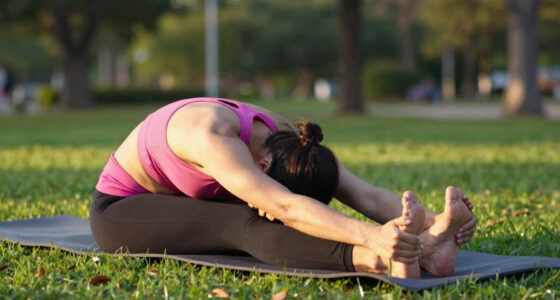
The routine covers a standing calf stretch, cat-cow, figure-four stretch and standing hamstring stretch. Tsai says the stretches target the core, back, hips and glutes, hamstrings and calves. Fit&Well notes that a short stroll may not leave someone stiff or sore, while a longer session can place strain on the legs and hips.
Tsai recommends holding each static stretch for 10 to 30 seconds as a general guide. She says older people may benefit from holding them for 30 to 60 seconds. For cat-cow, the source recommends coordinating the movements with breathing and doing the stretch for about one minute.
The reported advice is to begin gently, reaching a comfortable tension but never pain. Tsai also advises keeping the back neutral during the stretches other than cat-cow. The source suggests starting with stretching two or three times a week and gradually building toward daily practice. These are recommendations from the report, not a prescribed routine for every individual.
How the Routine Fits After a Walk
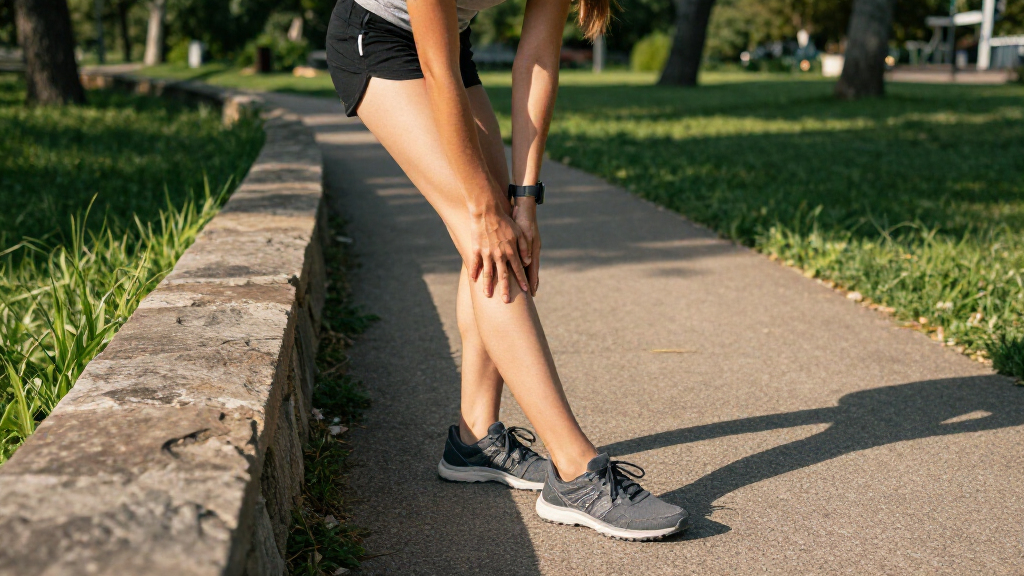
Fit&Well reports that a longer walk can put strain on the calves, hamstrings, quadriceps and hips. Tsai recommends the four stretches after a hike and says they target the core, back, hips and glutes, hamstrings and calves. The report does not establish that stretching prevents soreness or is necessary after every walk.
Tsai advises easing into each stretch until there is comfortable tension, but never pain. The standing hamstring move can be done near a wall or chair for support if balance is an issue.
Products Worth Considering

BowFlex Results Series SelectTech Adjustable Dumbbells, Pair

BowFlex Results Series 552 SelectTech Adjustable Dumbbell

Withings Body Smart Wi-Fi and Bluetooth Body Composition Scale
As an affiliate, we earn on qualifying purchases.
The Four Moves in the Report
Standing calf stretch: Face a wall with hands supported against it. Place one foot forward with its toes against the wall and heel on the ground, then lean forward only until a comfortable calf stretch is felt. Keep that knee straight and adjust the heel’s distance from the wall to change the intensity. Repeat on the other side.
Cat-cow: Start on hands and knees. Slowly round the back, tucking the chin and tailbone, then gently arch the back, directing the head and tailbone upward. Tsai advises exhaling during the rounded position and inhaling while arching. Continue at an unhurried pace for about one minute.
Figure-four stretch: Lie on the back with knees bent and feet on the floor. Cross one ankle just below the opposite knee. If this position already provides a strong stretch, stay there without lifting the leg. To deepen the stretch, lift the uncrossed leg and draw its knee toward the chest, holding the thigh. Repeat on the other side.
Standing hamstring stretch: Stand with feet hip-width apart and place one foot forward, heel down and toes raised. Bend the back knee and hinge the hips backward, using the thigh of the bent leg for support. Repeat on the other side. A step or stool can increase the stretch, but is optional.
“These stretches target the major muscle groups that are utilized [during walking], specifically the core, back, hip/glutes, hamstrings, and calves.”
— Dr. Margaret Tsai, physical therapist with Sutter Health, as quoted by Fit&Well
Limits of the Stretching Advice
The source does not report a clinical trial or quantify whether these stretches prevent stiffness, reduce soreness or improve mobility. Tsai’s stated aim is to decrease joint stiffness and reduce muscle tension, but the material does not establish how much benefit an individual should expect or how quickly it may occur. It also does not specify that everyone who walks needs to stretch afterward.
The guidance does not tailor the routine to particular diagnoses, previous injuries or individual mobility limits. Fit&Well relays Tsai’s advice to check with a doctor before doing the moves if someone has an injury or reservations. Anyone who experiences pain rather than comfortable tension should not push further into the stretch.
How to Start the Routine
Tsai advises gradually easing into each stretch until there is comfortable tension, but never pain. The reported starting suggestion is two to three sessions per week, with a gradual increase toward daily stretching. Use a stable surface for support during the standing hamstring stretch if balance is uncertain.
The source offers no follow-up study or additional clinical milestone. People with an injury or other concern are advised to ask a doctor about whether the moves are suitable.
Key Questions
Which four stretches does the report recommend after walking?
It lists the standing calf stretch, cat-cow, figure-four stretch and standing hamstring stretch. The report presents them as options for areas used during walking, not as a required routine for everyone.
How long should each stretch be held?
Tsai suggests holding static stretches for 10 to 30 seconds generally, and says older people may benefit from 30 to 60 seconds. Cat-cow is performed as a slow sequence for about one minute rather than as a static hold.
Should I stretch if a move hurts?
No. Tsai advises easing into a comfortable degree of tension and not stretching into pain. Fit&Well also reports that people with injuries or concerns should check with a doctor before trying the moves.
How often does the report suggest stretching?
The report suggests starting with two or three times per week and gradually building toward daily practice. It does not say that daily stretching is necessary for every walker.
What if I have trouble balancing during the hamstring stretch?
Fit&Well advises doing the standing stretch near a stable object, such as a wall or chair, and holding it for support. Keep the movement within a comfortable range.
Source: fitandwell.com