TL;DR

Get workout gear delivered free with Prime
- Fast, free delivery on millions of items
- Prime Video, Amazon Music and more included
- Member-only deals all year
The ‘weight capacity’ number on equipment shows the maximum safe weight under ideal conditions, not a target limit. Always follow manufacturer guidelines and inspect your gear regularly to stay safe.
Ever pick up a piece of gym equipment and wonder what that ‘weight capacity’ number really means? You’re not alone. Many assume it’s the maximum weight they can lift or support, but that’s not quite right.
Understanding what these numbers represent can prevent accidents, keep your workouts safe, and extend the life of your gear. In this guide, you’ll learn how to interpret capacity ratings accurately, what safety margins mean, and why overloading equipment is risky.
The ‘weight capacity’ number indicates the maximum safe weight equipment can support under ideal, controlled conditions.
Static capacity is higher than dynamic capacity; always assume real-world use involves less weight due to movement and forces.
Manufacturers build in safety margins—often 4-5 times the expected load—to protect users from accidents.
Overloading beyond rated capacity risks equipment failure and injury; regular inspections help catch wear early.
Modern tech, like load sensors, can aid safety, but they don’t replace proper maintenance and respecting limits.
What Does ‘Weight Capacity’ Actually Mean?
‘Weight capacity’ is the maximum safe weight an equipment or device can handle during normal use. It’s set by manufacturers after extensive testing, considering materials, design, and safety margins.
For example, a home gym weight bench labeled with a 600-pound capacity doesn’t mean you should lift 600 pounds on it every time. It indicates that under typical conditions, the bench can support that weight without risk. The number accounts for safety buffers to prevent failure.
Think of it like a bridge designed to hold 10,000 cars—it’s not meant to carry that many every day, but it’s built to handle those loads safely, with some margin for unexpected stress.
As an affiliate, we earn on qualifying purchases.
Static vs. Dynamic Capacity: What’s the Difference?
‘Static capacity’ refers to the maximum weight equipment can hold when stationary—like a dumbbell rack holding 200 pounds without any movement. ‘Dynamic capacity’ is lower because moving loads create additional forces, like lifting a heavy weight and bouncing it slightly.
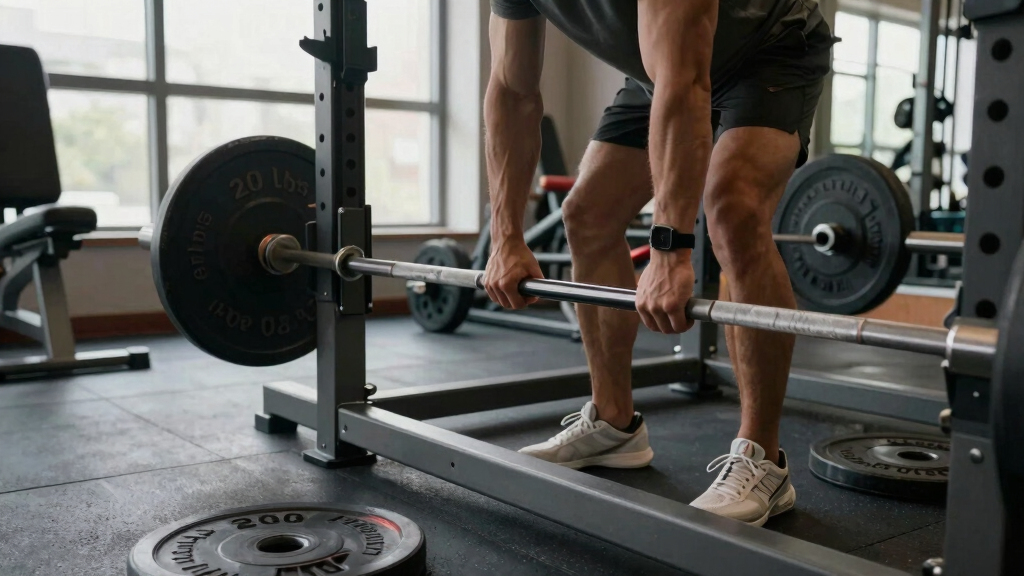
For example, a squat rack rated for 1,000 pounds static capacity might only support 800 pounds during a controlled lift. Moving or bouncing weights adds stress, so the rated capacity considers these factors.
In practical terms, always assume dynamic loads are less than static ratings to stay safe.
As an affiliate, we earn on qualifying purchases.
How Do Manufacturers Decide Capacity Numbers?
Manufacturers base capacity ratings on material strength, design safety factors, and industry standards. They perform stress tests, simulating real use, and then add safety margins—often 4 to 5 times the expected load.
For instance, a cable pulley system tested to support 200 pounds might be rated for 800 pounds, factoring in safety buffers. This ensures the equipment can handle unexpected stresses or slight misuse.
Understanding this helps you see why rated capacities aren’t just guesses—they’re calculated with safety in mind.
As an affiliate, we earn on qualifying purchases.
Safety Margins and Why They Matter
Safety margins are extra buffer zones built into capacity ratings. They protect against wear, damage, or misuse. For example, a weightlifting bar rated for 700 pounds might only be used for 500 pounds regularly, leaving a safety buffer.
This margin is crucial because equipment degrades over time—think of a rope fraying after months of use. Overloading beyond the rated capacity increases risk of failure and injury.
Always respect these margins, especially if your gear shows signs of wear.
As an affiliate, we earn on qualifying purchases.
What Happens When You Overload Equipment?
Overloading can cause sudden failure—like a bench collapsing or a cable snapping. Imagine pushing a 600-pound capacity bench to 700 pounds. The stress exceeds design limits, risking breakage and injury.
Common signs include frayed cables, cracked frames, or loose parts. Ignoring these signs and exceeding capacity can turn your workout into a dangerous situation.
The best approach? Always stay well within rated limits and inspect gear before each use.
What About Modern Tech? Load Sensors and Smart Equipment
Today’s equipment increasingly features load sensors and digital monitors. These tools give real-time feedback on how much weight you’re lifting or supporting. For example, a smart squat rack might alert you if you’re approaching its capacity.
This technology helps prevent overloading, especially for beginners or when using unfamiliar gear. It’s like having a safety net that keeps you informed and safe.
However, tech isn’t foolproof—regular inspections and sensible limits still matter.
Compare Common Equipment Capacity Ratings
| Equipment Type | Typical Static Capacity | Common Use Limit |
|---|---|---|
| Home weight bench | 600-1000 lbs | Usually 80-90% of max, e.g., 480-900 lbs |
| Pull-up bar | 300-600 lbs | Usually 75-85%, e.g., 225-510 lbs |
| Squat rack | 1000-2000 lbs | Usually 80-90%, e.g., 800-1800 lbs |
| Weight plate | Depends on material, typically 300-1000 lbs | Follow manufacturer guidelines |
Regularly Check and Maintain Your Equipment
Proper maintenance extends equipment life and keeps capacity ratings accurate. Think of it like taking care of your car—regular oil changes and inspections prevent breakdowns.
Inspect cables, welds, and frames for signs of wear, corrosion, or cracks. Replace or repair anything that looks compromised before using the gear again.
This proactive approach keeps your workouts safe and your equipment performing at its rated capacity.
When You Need to Lift Heavier Than Your Equipment’s Capacity
If you find yourself needing to lift or support more weight than your current gear allows, don’t just push limits. Instead, consider equipment rated for higher loads or using multiple devices together.
For example, if your home gym’s squat rack maxes out at 1,000 pounds and you want to train heavier, look for a rack rated for 1,500 pounds or set up two racks side by side.
Always follow safety procedures—never improvise with damaged or inappropriate gear.
Frequently Asked Questions
Is the weight capacity the same for all types of equipment?
No, different equipment types have different ratings. For example, a weight bench might support 600 pounds, while a pull-up bar typically supports around 300 pounds. Always check the manufacturer’s specifications for each piece.Can I use equipment beyond its rated capacity if I’m careful?
No, exceeding the rated capacity increases the risk of failure significantly. The ratings include safety margins, but pushing beyond them can cause sudden breaks or accidents.How often should I inspect my gym equipment?
Inspect your gear before each use, looking for signs of wear, cracks, or corrosion. Schedule more thorough inspections monthly or after heavy training sessions, especially for cables and welds.What if I need to lift more weight regularly?
Invest in equipment rated for higher capacities or set up multiple devices. Never compromise safety by using gear not designed for your intended load.Do safety features like load sensors replace proper maintenance?
Not entirely. Load sensors help monitor loads, but regular physical inspections and respecting rated limits remain vital for safety.Conclusion
Understanding what ‘weight capacity’ really means can save you from accidents and extend your gear’s life. Respect the limits, perform regular checks, and don’t push beyond what your equipment can handle safely.
Imagine your home gym as a carefully balanced system—each piece working harmoniously within its limits. Staying informed keeps your workouts safe and your equipment reliable. Your safety starts with understanding these numbers—and respecting them.
Halloween Picks
halloween
As an affiliate, we earn on qualifying purchases.