TL;DR

Get workout gear delivered free with Prime
- Fast, free delivery on millions of items
- Prime Video, Amazon Music and more included
- Member-only deals all year
Inexpensive home gym equipment offers a budget-friendly way to stay active but often sacrifices durability and safety. With careful selection and realistic expectations, it can be effective for many workouts, especially bodyweight and resistance training.
When you see ‘cheap’ gym gear, it’s tempting to think it’s a waste of money. But the truth is, budget-friendly equipment can be a game-changer for your home workouts—if you understand its limits and strengths. You don’t need fancy, expensive gear to get fit, but you do need to know what to look for—and what to avoid.
This guide breaks down what cheap equipment can do for you, what it can’t, and how to pick the right pieces for your goals. Think of it as a map to get the most bang for your buck, without risking injury or frustration.
Inexpensive gear can be effective if you select high-quality materials and reputable brands.
Safety is key; always inspect equipment before use to avoid injuries.
Durability varies—expect some gear to wear out faster than premium options.
Pair budget gear with smart workout choices for best results.
Long-term costs of cheap equipment may outweigh initial savings if replacements are needed frequently.
What’s really happening when you buy cheap gym gear?
Cheap gym equipment often sacrifices durability and safety for the sake of low cost. Items like $10 resistance bands or $30 dumbbells may seem like a steal, but they can also break or wobble during your workout. It’s like buying a flimsy chair—looks fine until it collapses under you.
For example, a set of low-cost resistance bands may snap after a few weeks of regular use, especially if they’re made from inferior latex. This frequent wear can lead to sudden breaks, which pose safety risks and interrupt your training routine. The implications are clear: while initial savings are tempting, the potential for equipment failure can lead to injuries or additional expenses. It’s important to understand that cheaper materials often mean a tradeoff—less resilience, more replacement costs, and sometimes, compromised safety standards. Recognizing these tradeoffs helps you make informed choices that balance affordability with reliability.
budget resistance bands for strength training
As an affiliate, we earn on qualifying purchases.
As an affiliate, we earn on qualifying purchases.
How to spot quality in budget gear — 5 tips
- Check the material: Look for thick, high-quality rubber or nylon. Thin, brittle plastics are a red flag because they tend to crack or break under stress, which can not only ruin your workout but also cause injuries. Understanding the material helps you anticipate how long the equipment may last and how safe it will be during use.
- Review user feedback: Online reviews often reveal real-world durability issues or quality concerns that aren’t obvious from product descriptions. Reading multiple reviews provides insight into whether the gear consistently performs well over time or if it tends to fail quickly, helping you weigh the true value of budget options.
- Inspect construction: Tight seams, sturdy handles, and reinforced joints are indicators of better build quality. Poor construction can lead to sudden failures, which might cause injury or frustration. Knowing what to look for in construction allows you to select equipment that will withstand regular use.
- Test before buying: If possible, try the gear in-store or check the return policies. Hands-on testing can reveal issues like wobbliness or discomfort that aren’t obvious in photos. This step ensures you’re not just buying based on appearance but on actual functionality and comfort.
- Stick to reputable brands: Even among budget brands, some have better reputations for quality and safety. Companies like Fit Simplify or Gaiam have established track records, which means you’re more likely to get reliable, safe equipment without paying premium prices. Recognizing reputable brands reduces the risk of purchasing poorly made gear that fails quickly or causes injury.
affordable dumbbells set for home gym
As an affiliate, we earn on qualifying purchases.
As an affiliate, we earn on qualifying purchases.
Cheap vs. Expensive: What’s the real difference?
| Feature | Cheap Equipment | Expensive Equipment |
|---|---|---|
| Materials | Lower-quality plastics, thinner rubber, often prone to cracking or deformation under stress | Premium metals, reinforced plastics, and higher-grade rubber that resist wear and tear |
| Durability | Usually lasts a few months to a year with regular use, depending on the quality and care | Designed to last several years or even decades, withstanding frequent, intense workouts |
| Safety | Potential risks if the materials degrade or equipment is poorly made, leading to breakage during use | Strict safety standards and quality controls minimize risks, providing more reliable performance |
| Versatility | Limited functions, often designed for specific exercises or beginner routines | More multi-purpose options, suitable for advanced training and diverse workouts |
While cheap gear can be surprisingly effective for basic resistance work or bodyweight exercises, the tradeoff is often in longevity and safety. Investing more upfront in quality equipment means fewer replacements, less frustration, and greater confidence in your safety—especially if you’re committed to consistent training. The decision often hinges on your long-term goals: if you aim for sustained progress, a higher initial investment can pay dividends in durability and peace of mind.
cheap resistance bands with high durability
As an affiliate, we earn on qualifying purchases.
As an affiliate, we earn on qualifying purchases.
Is cheap gear safe? What you need to watch out for
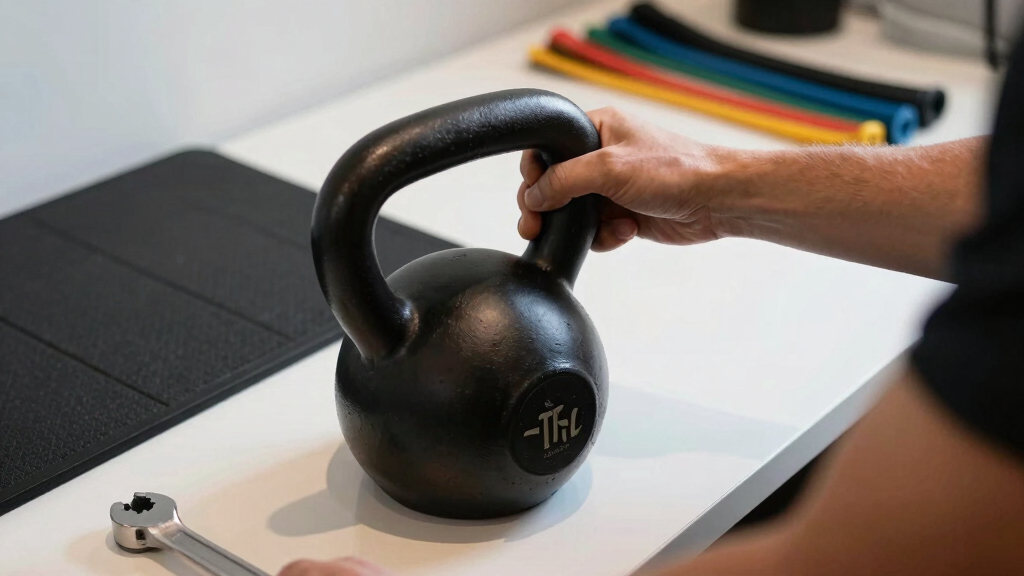
Cheap equipment can be safe if you choose wisely and inspect regularly. But beware of items that show signs of wear—cracks, loose handles, or wobbliness. For example, a $15 kettlebell with a cracked handle can cause injury or drop during a swing, risking damage to you or your surroundings. The safety implications are significant: equipment failure during use can lead to strains, sprains, or worse injuries. Regularly inspecting your gear helps catch early signs of degradation, reducing the risk of accidents. Additionally, understanding that safety isn’t solely determined by the price but by how well you maintain and evaluate your equipment ensures you’re making smart, proactive choices. Remember, even expensive gear needs regular checks to stay safe—cheap gear just demands even more vigilance.
Always read safety instructions provided by the manufacturer, test the gear before each use, and avoid pushing equipment beyond its specified limits. Prioritizing proper technique and maintenance over cost ensures a safer workout environment, regardless of the gear’s price point.
inexpensive home gym equipment safety tips
As an affiliate, we earn on qualifying purchases.
As an affiliate, we earn on qualifying purchases.
How to make cheap gear work for your goals
Inexpensive gear shines brightest when paired with smart, targeted workouts. For example, resistance bands are perfect for rehab, warmups, or light strength work—especially if you’re just starting out. They allow for controlled resistance, helping you build foundational strength without overloading your joints or risking injury. You can stack multiple bands for more resistance or use them for assisted pull-ups, which are often difficult for beginners. Understanding the specific benefits of each piece of budget gear helps you tailor your routines effectively, maximizing results while minimizing risk. For instance, using a yoga mat with bodyweight exercises ensures comfort and stability, reducing the chance of slips or improper form. Incorporating dumbbells or kettlebells—if they are of decent quality—can add challenge and variety. The key is to recognize each piece’s limitations and use them strategically, turning simple, affordable equipment into a versatile training arsenal that supports your long-term progress.
Long-term costs: Is cheap equipment really cheaper?
Cheap gear might save money upfront but could cost more over time if it wears out quickly or causes injuries that require medical attention. For example, resistance bands that snap after a few months might seem affordable initially but can lead to additional expenses—buying replacements or, worse, dealing with injuries from sudden equipment failure. These hidden costs accumulate, often surpassing the price difference of investing in higher-quality gear from the start, which tends to last longer and provide safer, more reliable performance. Considering durability, safety, and your workout frequency helps you evaluate whether the initial savings are worth the potential long-term costs. In many cases, investing a bit more upfront reduces the hassle of replacements and mitigates injury risk, ultimately making your fitness journey more sustainable and cost-effective.
Your best bet for a budget-friendly, safe home gym
Start with versatile, well-reviewed gear like resistance bands, a yoga mat, and a pair of adjustable dumbbells. These items are affordable, space-saving, and suitable for most fitness levels. Pairing them with free online workouts and a consistent schedule maximizes your results without breaking the bank. Remember, the effectiveness of your home gym depends more on your routine, consistency, and proper technique than on having the most expensive equipment. Investing time in learning correct form and gradually increasing intensity ensures safety and progress. With these basics, you can create a comprehensive workout environment that supports your goals while respecting your budget.
Focus on establishing a routine, maintaining proper form, and progressively challenging yourself—these factors are far more impactful than the price tag on your gear.
Frequently Asked Questions
Is cheap gym equipment safe to use?
Safety depends on the quality and how you use it. Always inspect gear for cracks, loose handles, or other defects before each workout. Following safety guidelines reduces the risk of injury, regardless of price.
Can inexpensive equipment give me a good workout?
Yes. Resistance bands, yoga mats, and dumbbells are all effective for strength, flexibility, and cardio. Proper technique and consistent effort matter more than the gear’s price.
How long will cheap equipment last?
Typically, inexpensive gear lasts from a few months to about a year with regular use. Replacing worn items keeps your workouts safe and effective.
Should I invest more in better gear or stick with cheap options?
It depends on your goals and frequency. For frequent, intense workouts, investing in higher-quality equipment can save money and frustration long-term. For light or beginner use, budget gear can work well.
What are some good budget brands?
Brands like Fit Simplify, Gaiam, and Bowflex offer affordable, reliable options. Look for reviews and materials before purchasing.
Conclusion
Cheap home gym equipment isn’t a waste of money—it’s about making smart choices. Focus on quality within your budget, prioritize safety, and get creative with your workouts. A little planning turns inexpensive gear into a powerful tool for your fitness journey.
Remember, consistency beats equipment every time. Your best workout buddy is a routine, not a price tag.
Halloween Picks
halloween
As an affiliate, we earn on qualifying purchases.