
TL;DR

Get workout gear delivered free with Prime
- Fast, free delivery on millions of items
- Prime Video, Amazon Music and more included
- Member-only deals all year
A power rack is a cornerstone for safe, versatile heavy lifting at home. Consider size, weight capacity, safety features, and budget to pick the best fit for your goals and space.
Buying your first power rack can feel overwhelming. You want something sturdy, safe, and suited to your space and goals. But with so many options out there, it’s easy to get lost in the details.
This guide breaks down what you really need to know before making that investment. Whether you’re setting up a tiny corner or a dedicated home gym, understanding the essentials will help you choose confidently and avoid costly mistakes.
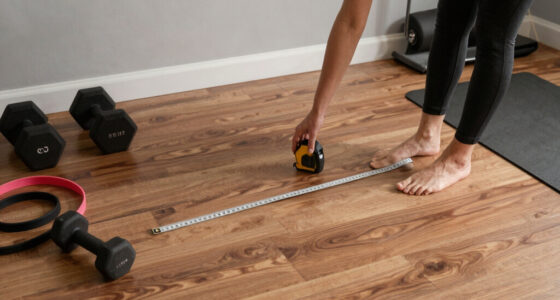
Measure your space carefully—size impacts safety and workout variety.
Prioritize safety features like adjustable safety bars and a stable frame.
Choose a rack with adjustable components for long-term flexibility.
Invest in quality materials—steel alloys and coatings matter for longevity.
Balance your budget with features and durability—don’t skimp on safety.
What Size Power Rack Fits Your Space and Goals?
The first step is figuring out how much space you have—and what you want to do with it. Full-size racks offer maximum stability and versatility, perfect if you’re serious about lifting. But they can take up 7-8 feet of width and 7-8 feet of height.
For smaller rooms, half racks or wall-mounted units can save space without sacrificing too much functionality. For example, a half rack might be just 4-5 feet wide, fitting neatly into a corner.
Measuring your ceiling height and available floor space carefully is crucial. Remember, you need clearance for squats, overhead presses, and even some accessories. Think about your future goals, too: if you plan to lift heavy or add attachments, size matters.
Choosing a rack that’s too big for your space can lead to safety hazards, like unstable footing or restricted movement, increasing injury risk. Conversely, a rack that’s too small might limit your exercises or force you into awkward positions, reducing workout effectiveness and safety. Tradeoffs exist: larger racks provide more stability and exercise options but require more room, while smaller racks save space but may compromise safety or versatility.
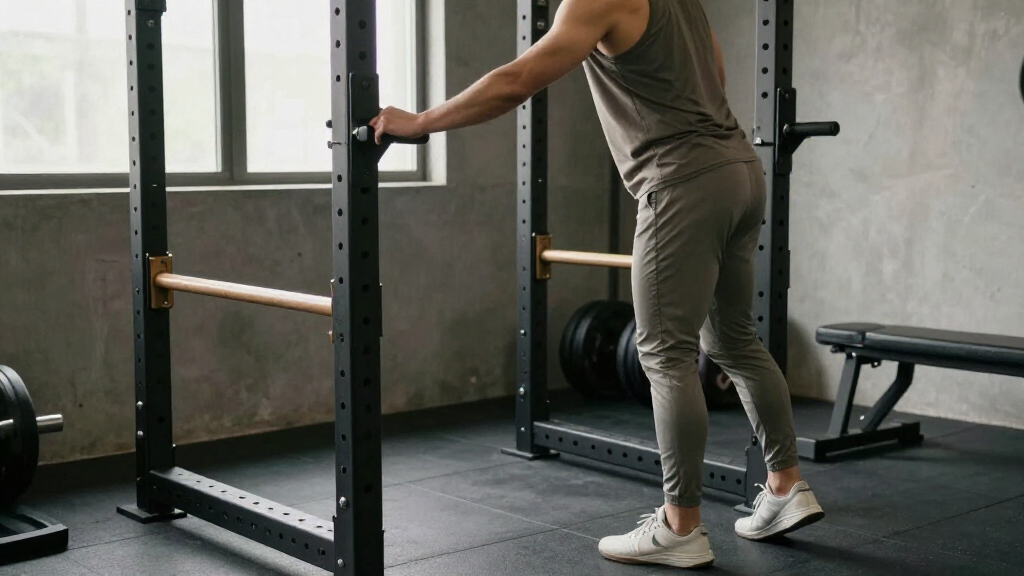
adjustable power rack with safety bars
As an affiliate, we earn on qualifying purchases.
As an affiliate, we earn on qualifying purchases.
Why Safety Features Matter More Than You Think
Safety isn’t just a bonus—it’s a critical aspect that directly impacts your ability to train effectively and avoid injuries. Power racks are designed to hold heavy loads, and the wrong safety features can turn a workout into a hazard. Proper safety components act as a fail-safe, especially when fatigue sets in or when lifting at or near your maximum capacity.
For instance, safety pins or spotter arms that are adjustable and easy to reposition allow you to set a safety net tailored to each exercise. If you fail a lift or lose control, these features catch the weight, preventing it from falling and causing injury. This is especially vital if you’re lifting alone without a spotter, as it allows you to train independently with confidence.
Stable, reinforced frames with a wide, sturdy base prevent wobbling during heavy lifts. Wobbling can lead to compromised form, which increases the risk of injury and reduces effectiveness. Investing in high-quality safety features might increase initial costs but pays off by enabling safer, more consistent training. It also extends the lifespan of your equipment, as safety features often include components designed to withstand repeated use without failure.
Neglecting safety features might seem like a way to save money upfront, but it’s a false economy. Without proper safety mechanisms, the risk of accidents, injuries, or equipment failure rises sharply, leading to costly setbacks and potential health issues. Prioritizing safety features ensures that your workouts are sustainable, injury-free, and conducive to long-term progress. It’s an investment in your health and confidence that pays dividends over years of training.
As an affiliate, we earn on qualifying purchases.
How to Pick a Power Rack That Grows With You
Adjustability is king when it comes to future-proofing your investment. A good power rack should adapt to your changing strength levels and diverse workout routines. Look for models with multiple J-hooks and safety bars that are easy to reposition—preferably without the need for tools. This flexibility allows you to perform a wide variety of exercises comfortably, which can keep your training engaging and help you make consistent progress.
For example, adjustable safety pins at different heights enable safe squats, bench presses, and overhead presses without hassle. Some racks come with attachments for pull-ups, dips, or additional storage, expanding your workout options as your goals evolve. This modularity means you won’t need to buy new equipment as your training intensity or focus shifts.
Consider your long-term goals: if you plan to incorporate pull-up bars, weight plate storage, or other accessories later, choose a rack designed to accommodate those features now. This foresight can save you money and effort, as replacing or upgrading equipment mid-cycle can be inconvenient and costly. An adjustable, versatile rack is an investment that supports your ongoing fitness journey, allowing you to adapt routines without needing to purchase entirely new equipment each time your goals change.
As an affiliate, we earn on qualifying purchases.
Comparison of Full-Size, Half, and Wall-Mounted Racks
| Feature | Full-Size Rack | Half Rack | Wall-Mounted Rack |
|---|---|---|---|
| Size | 7-8 ft wide, 7-8 ft tall | 4-5 ft wide, similar height | Varies, usually wall-mounted at adjustable height |
| Stability | Very stable, heavy-duty | Stable, but less heavy-duty | Depends on wall anchors, generally less stable |
| Space | Requires floor space | Smaller footprint | Minimal, hangs on wall |
| Cost | High ($500-$1500) | Moderate ($300-$900) | Lower ($200-$600) |
| Best for | Serious lifters, multi-exercise use | Limited space, beginners | Small rooms, temporary setups |
heavy-duty steel power rack for weightlifting
As an affiliate, we earn on qualifying purchases.
As an affiliate, we earn on qualifying purchases.
What Materials Make a Power Rack Last Decades
Most power racks are built from steel—specifically high-strength steel alloys. Thicker gauge steel (like 11-gauge vs. 14-gauge) offers more durability and stability. A rack with a powder-coated finish resists rust and scratches.
Imagine a rack in a humid garage. Coatings matter. A well-made rack might be an investment of $700, but it can last 20+ years with proper maintenance.
Look for brands that use quality steel and finishes. It’s like choosing a sturdy kitchen knife—costly but worth it for longevity and safety.
Choosing high-quality materials ensures the rack can withstand regular heavy use without bending, warping, or rusting. Cheaper materials may seem tempting but often lead to safety issues or replacement costs sooner than expected. A well-constructed rack with durable materials is a long-term investment that pays off over decades, especially if maintained properly.
Budgeting: How Much Should You Really Spend?
Expect to spend anywhere from $200 to over $1,000 on a power rack. Cheaper models often cut corners—less steel, fewer safety features, or flimsy construction. Premium racks offer better stability, safety, and accessories.
For example, a $500 rack with adjustable safety bars, multiple J-hooks, and a sturdy frame will serve you well for years. It’s a balanced choice for most home lifters.
Investing in quality now can save you money and safety hassles later. Think of it as buying a reliable tool for your home gym, not a disposable one. The right budget balances cost with durability and safety features, ensuring your investment supports your long-term fitness goals without compromise.
Ease of Assembly: What to Expect
Most power racks come with detailed instructions, and assembly usually takes 1-3 hours. If you’re handy, you can do it yourself. For some, hiring a professional might be worth the extra cost.
It’s important to have the right tools—wrenches, screwdrivers, sometimes a socket set. Reading reviews about assembly difficulty can help you decide if you want a model with simpler instructions or pre-assembled options.
For example, a rack with numbered parts and clear diagrams makes assembly smoother. If you’re nervous about putting it together, plan for some help or a professional install, which can ensure safety and save time.
Picking a Brand That Lasts and Supports You
Reputation matters. Look for brands with positive reviews, solid warranties, and good customer service. A reputable brand often uses higher-quality materials and offers better support if something goes wrong.
For example, a brand offering a 5-year warranty on the frame shows confidence in their product’s durability. Check if they provide replacement parts or support for accessories down the line.
It’s like buying a car—trustworthy brands stand behind their product, making your investment safer and more reliable.
Future-Proof Your Purchase With Accessories
Many racks are compatible with attachments that expand your workout options. Pull-up bars, dip stations, weight plate storage—think about what you might add later.
For example, a rack with a built-in pull-up bar can give you upper body options without extra equipment. If you plan to do more than just squats and presses, pick a rack designed for growth.
This way, you won’t need to replace your rack as your strength and goals evolve.
Frequently Asked Questions
Is a power rack necessary for home workouts?
While not strictly necessary, a power rack provides safety and versatility for heavy lifting. It’s especially helpful if you lift alone or want to do a full range of exercises like squats, bench presses, and overhead presses.
What size power rack do I need for a small home gym?
A half rack or wall-mounted rack is ideal. They save space while still offering safety and exercise options. Measure your room before buying to ensure it fits comfortably.
Can I do bench presses and squats on the same rack?
Yes, most power racks are designed for both. Just check that your rack has enough clearance and a sturdy bench if you plan to do pressing movements.
How much should I spend on my first power rack?
Expect to spend between $300 and $900 for a solid, reliable model. Prices vary based on size, safety features, and accessories. Investing in quality saves hassle and safety risks.
What safety features are most important?
Adjustable safety bars or spotter arms, a stable frame, and anti-wobble design are key. They protect you during heavy lifts and help build confidence over time.
Conclusion
Picking your first power rack isn’t just about price or brand—it’s about matching your space, safety needs, and future goals. Think of it as laying a foundation for years of safe, effective lifting.
Take your time. Focus on quality, safety, and versatility. When you find the right fit, your home gym becomes a place where strength grows, safely and steadily.
Fall Picks
fall essentials
As an affiliate, we earn on qualifying purchases.