TL;DR

Get workout gear delivered free with Prime
- Fast, free delivery on millions of items
- Prime Video, Amazon Music and more included
- Member-only deals all year
A functional trainer is a flexible piece of equipment that helps you perform real-world movements, boosting strength, balance, and mobility. It’s suitable for beginners and pros alike and adapts to many workout styles, making it a smart choice for home or gym use.
Imagine a piece of equipment that can help you lift your groceries, twist to grab something off a shelf, or stabilize yourself on uneven ground. That’s exactly what a functional trainer aims to do. It’s not just about bulking up; it’s about moving better every day.
If you’re setting up a home gym or upgrading your current one, understanding what a functional trainer actually does can help you decide if it’s worth space and money. This guide breaks down how it works, what it’s good for, and how it might become your new favorite workout buddy.
A functional trainer mimics real-life movements, making your workouts highly applicable to daily tasks.
It offers over 200 different exercises , covering strength, balance, and mobility.
Choose models based on your space, budget, and fitness goals — they range from affordable home units to commercial-grade machines.
Use the equipment with proper form and gradual resistance increases to maximize safety and effectiveness.
The future of functional training includes smart technology and space-saving designs that fit modern homes.
What Is a Functional Trainer? It’s More Than Just a Cable Machine
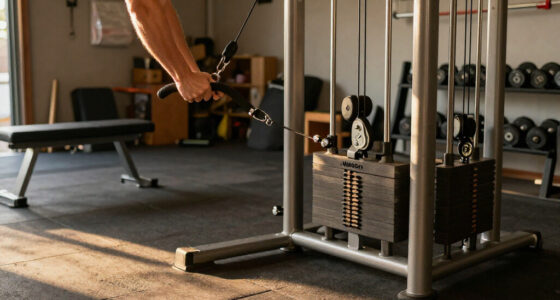
A functional trainer is a versatile machine with adjustable pulleys and cables designed to mimic real-life movements. Think of it as a Swiss Army knife for workouts. Instead of isolating a single muscle, it helps you perform exercises that involve multiple muscles working together.
Picture yourself pulling a heavy shopping bag, twisting to get a kid’s toy, or pushing open a heavy door. Those everyday actions require strength, balance, and coordination — exactly what a functional trainer trains.
Products Worth Considering

Levoit Eleva 300X HEPA Air Purifier for Home and Bedroom

Bowflex SelectTech 840 Adjustable Kettlebell

BowFlex Results Series SelectTech 552 Adjustable Dumbbell
As an affiliate, we earn on qualifying purchases.
How a Functional Trainer Boosts Your Daily Movement Skills
When you use a functional trainer, you engage muscles in ways they’re used in daily life. For instance, a cable row simulates pulling open a heavy drawer, which requires coordination between your back, arms, and core. A chest press mimics pushing a door, demanding stability and strength from your shoulders and chest. These exercises build strength that transfers directly into your everyday routines, making daily tasks easier and reducing injury risk.
Let’s say you want to carry groceries without straining your back. Regular use of a functional trainer can strengthen your core, improve your grip, and develop the coordination needed for those heavy bags. This isn’t just about lifting weights; it’s about training your body to move efficiently and safely in real-world situations. The tradeoff is that some exercises may feel less targeted than traditional weightlifting but offer greater functional benefits, especially for those looking to improve overall movement quality.
5 Key Benefits of Using a Functional Trainer Every Week
- Full-body workout: Target upper, lower, and core muscles in one session. This comprehensive approach ensures balanced strength development, reducing muscle imbalances that can lead to injuries.
- Improved balance and stability: Engaging the core during dynamic movements enhances proprioception—your body’s awareness of position—which is crucial for preventing falls and improving athletic performance.
- Enhanced mobility: Dynamic exercises promote joint health and flexibility. Over time, this can help delay the onset of stiffness and age-related mobility decline, but it requires consistent effort and proper technique for best results.
- Rehabilitation support: Controlled, low-impact motions can aid recovery after injuries by gradually rebuilding strength without overstressing tissues. However, it’s essential to work under professional guidance to avoid reinjury or improper movement patterns.
- Time-efficient training: The ability to target multiple muscle groups quickly makes it ideal for busy schedules. Combining strength and mobility work in one session can lead to faster overall progress, but it demands proper planning to avoid overtraining.
What Exercises Can You Do on a Functional Trainer? Real-Life Moves in Action
Avoid the myth that a functional trainer is limited. In fact, you can perform over 200 different exercises. Here are some practical examples:
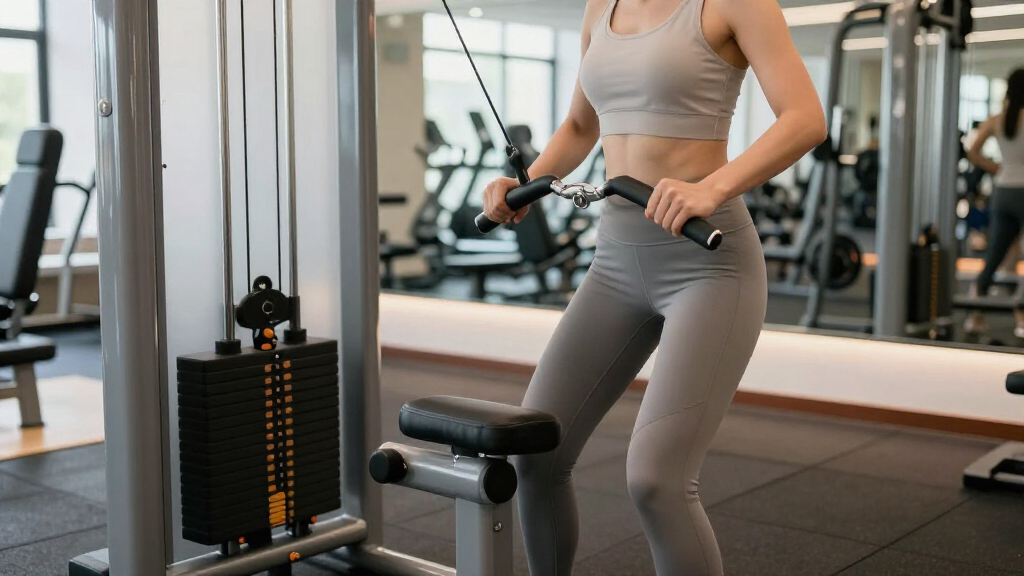
- Cable rows: Mimic pulling a heavy object towards you, engaging your back and arms while improving posture and grip strength.
- Chest presses: Push yourself up from the ground or a heavy object, strengthening your pushing muscles and shoulder stability.
- Squats with resistance: Simulate lifting groceries or furniture, emphasizing proper form to protect your knees and back.
- Lunges with cables: Improve balance and strengthen your legs, which can translate into better stability during daily activities.
- Core rotations: Twist to reach for something behind you or turn while carrying a load, enhancing rotational strength and coordination.
Many users find that mixing these exercises keeps workouts fresh and relevant to their daily needs, but it’s important to understand that the effectiveness depends on proper technique and gradual progression. The more you diversify your routines, the more your body adapts, leading to better functional strength—though this requires consistent effort and awareness of movement quality.
Comparison Table: Functional Trainer vs. Free Weights vs. Machines
| Feature | Functional Trainer | Free Weights | Machines |
|---|---|---|---|
| Movement control | Guided, adjustable, allowing for safe and controlled motions that can be tailored to your level. This control helps prevent improper form, reducing injury risk. | Uncontrolled, requires stability and coordination. While challenging, this can improve proprioception but increases the chance of improper technique if not supervised. | Fixed, isolated movements that often target specific muscles. They provide stability but limit natural movement patterns, which may reduce functional transferability. |
| Versatility | Very high (200+ exercises). Allows for a wide range of functional movements, making it adaptable for various fitness levels and goals. | Moderate (specific lifts like squats, presses). Less adaptable but effective for targeted strength training. | Limited to specific exercises. Best for isolating muscles but less effective for functional movement training. |
| Safety for beginners | High (guided, adjustable resistance). The guided system minimizes improper form and overexertion, making it safer for newcomers. | Lower (risk of improper form). Beginners need supervision and proper instruction to avoid injury. | High (stable, guided movements). Usually has safety features but less flexibility for learning proper form without supervision. |
| Space needed | Moderate (compact models available). Fits well into most home gyms, but larger models require more room. | Varies (usually more space). Free weights need space for movement and safety. | Usually large. Requires dedicated space, often more than functional trainers or free weights. |
How to Use a Functional Trainer Safely and Effectively
- Start with light resistance to learn the movement pattern, which helps prevent injury and ensures proper technique.
- Focus on form — slow, controlled motions work best and build a strong movement foundation that supports progress.
- Adjust pulleys to match the exercise — incorrect positioning can cause joint strain or ineffective workouts.
- Engage your core to maintain balance and stability, which enhances overall effectiveness and reduces injury risk.
- Progress gradually, increasing resistance as your strength improves, but always prioritize technique over heavy loads to avoid setbacks.
For example, practice cable rows with a light weight while watching your posture in a mirror. Over time, as you get comfortable, you can add more resistance or try more complex movements. Consistent attention to form and gradual progression are key to long-term benefits and injury prevention.
Choosing the Right Functional Trainer for Your Space and Budget
Picking a functional trainer depends on your goals, space, and wallet. Smaller models are perfect for home gyms, costing around $500–$1,500. Larger, commercial-grade units can go well over $3,000.
Consider:
- Available space — measure your room before buying to ensure it fits comfortably and allows safe movement around the equipment.
- Features needed — do you want attachments, digital tracking, or extra stations? These can enhance versatility but may increase cost and complexity.
- Build quality — look for sturdy frames, smooth pulleys, and quality cables. Cheaper models may wear out faster, leading to safety concerns and additional expenses.
Remember, a good functional trainer is an investment in your health and can last for years with proper care. Spending a bit more upfront can mean better durability, safety, and satisfaction in the long run.
The Future of Functional Training: Smarter, Smaller, Safer
Modern functional trainers are evolving fast. Many now include smart tech—touch screens, workout tracking, virtual coaching—making workouts more engaging and personalized. These features help you stay motivated and ensure you’re progressing correctly, but they also add complexity and cost.
Designs are also becoming more space-efficient, perfect for apartments or small home gyms. This means you don’t have to compromise on functionality just because of limited space. Plus, safety features like ergonomic pulleys and padded handles help prevent injuries, especially for beginners or those with existing joint issues.
As the popularity of functional fitness grows, expect trainers to become more integrated with digital apps, offering guided routines tailored to your goals. While these innovations improve accessibility and customization, they also require users to stay informed about proper use to avoid overreliance on technology or improper form.
Frequently Asked Questions
Can I use a functional trainer if I’m a beginner?
Absolutely. Many models are designed with adjustable resistance and user-friendly features, making them suitable for all fitness levels. Start light, focus on proper form, and gradually increase intensity.Is a functional trainer better than free weights?
Not necessarily better, but different. A functional trainer offers guided, controlled movements that are safer for beginners and allow for a wide range of exercises. Free weights challenge your stability and coordination more but require proper technique.Can a functional trainer help with injury recovery?
Yes, under professional guidance, it’s effective for rebuilding strength, improving mobility, and supporting rehabilitation. Its controlled resistance makes it a safe option for many recovery programs.How much space do I need for a functional trainer?
Most models need around 4–6 feet of width and 3–4 feet of depth. Compact designs are available for smaller spaces, but always measure your room before purchasing.What should I look for when buying a functional trainer?
Prioritize build quality, adjustability, safety features, and available attachments. Consider your fitness goals, space, and budget to find the best fit.Conclusion
Think of a functional trainer as your all-in-one workout partner, ready to help you move better and feel stronger every day. Its versatility means you’re not just lifting weights—you’re training for life.
When you choose your model, consider your space and goals. With steady use, it can transform your approach to fitness and daily movement. Are you ready to make your workouts more practical and fun?