
TL;DR

Get workout gear delivered free with Prime
- Fast, free delivery on millions of items
- Prime Video, Amazon Music and more included
- Member-only deals all year
Soundproofing a home gym involves tackling impact and airborne noise with mass, decoupling, and sealing. Recent innovations include eco-friendly materials and DIY kits. It’s a balance of cost, effectiveness, and ventilation.
You’ve set up your home gym, but the thud of weights or pounding music might be disturbing your neighbors or even your own peace. Soundproofing isn’t just for professional studios; it’s a practical step for any home workout space. You want a space that lets you move freely without the sound bouncing around or escaping.
In this guide, you’ll learn straightforward, proven techniques to tame noise. From sealing gaps to adding mass, we’ll cover the essentials to make your workouts quieter and your space more peaceful. No fluff, just real solutions that work for your home and budget.
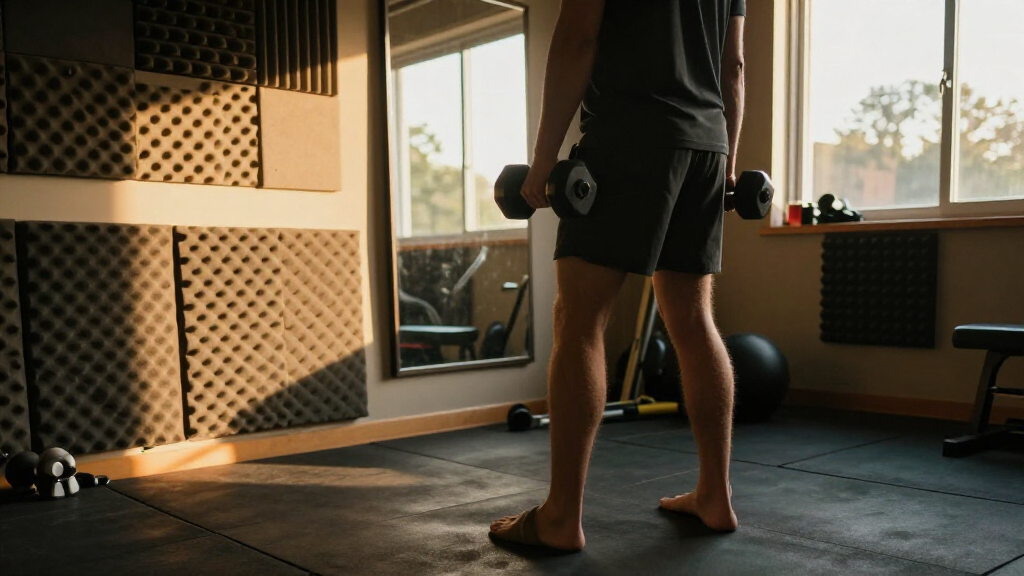
Adding dense, impact-absorbing mats and underlayment dramatically reduces impact noise — up to 70%.
Sealing every gap around doors and windows is one of the most cost-effective ways to contain sound.
Combining materials like MLV, acoustic foam, and resilient flooring creates a multi-layered barrier for best results.
Strategic room design, such as placing noisy equipment away from shared walls and adding soft furnishings, enhances soundproofing.
Eco-friendly options and DIY kits now make soundproofing more accessible than ever.
What Makes Noise Travel in a Home Gym? And How to Block It
Noise in a home gym mainly travels in two ways: impact noise (like jumping or dropping weights) and airborne noise (music, shouting). Impact noise is particularly challenging because it transmits vibrations directly through floors and walls, which can easily reach neighboring spaces or floors below. Understanding this helps you target your soundproofing efforts where they matter most. For example, adding dense mats or resilient underlayment absorbs vibrations at the source, preventing them from transmitting further. Airborne noise, on the other hand, can escape through gaps and weak points, so sealing cracks and adding absorbing materials are crucial. Recognizing these differences allows for a more strategic approach: impact noise requires mass and decoupling, while airborne noise benefits from sealing and absorption. This layered understanding ensures your efforts are effective and balanced, avoiding unnecessary expenses on ineffective solutions.
As an affiliate, we earn on qualifying purchases.
How to Block Impact Noise in 3 Easy Steps
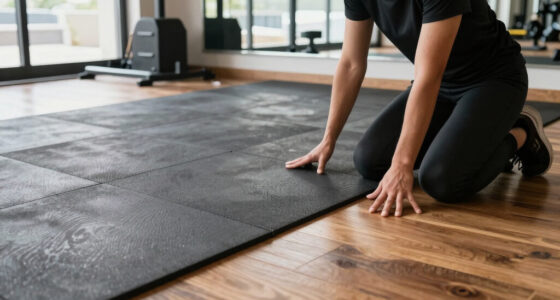
- Layer the Floor with Rubber Mats or Resilient Underlayment. Rubber is dense and absorbs impact vibrations effectively. Using a thick rubber mat not only cushions the impact but also converts the energy into heat, reducing the amount of noise transmitted. Choosing the right thickness involves balancing cost and effectiveness; thicker mats absorb more impact but are more expensive and less portable. A 1/2-inch rubber mat is a good starting point, but for high-impact activities, thicker layers can be more beneficial. Keep in mind that adding mass can sometimes increase the weight and cost, so consider your space and budget. Proper installation—ensuring mats overlap or are securely sealed—prevents gaps that could undermine their effectiveness. This step is crucial because impact noise is often the loudest part of home workouts and directly affects neighbors or other rooms.
- Install a Floating Floor. This technique involves creating a decoupled layer that prevents vibrations from traveling into the building structure. Think of it as isolating your workout surface from the rest of your home. Materials like resilient channel systems or specialized damping mats are used to build this layer. The tradeoff here is complexity and cost; while highly effective, floating floors require some construction skills and can be more expensive than simple mats. However, they provide a significant reduction in impact noise transmission, especially in multi-story homes, making your workouts much quieter for neighbors below. This method is ideal for serious home gym enthusiasts who want minimal disturbance and are willing to invest in long-term solutions.
- Use Heavy, Sealed Mats for Equipment. Placing weights, benches, and other equipment on dense, sealed mats prevents sound bouncing off hard surfaces and reduces vibrations. Choosing mats made from dense materials like rubber or vinyl ensures they absorb impact and minimize noise. Sealing edges and seams enhances their effectiveness, preventing sound leaks. This step also protects your flooring and equipment from damage. While this might seem like a minor detail, it plays a vital role in controlling the overall noise profile of your gym. The key is to select mats that are heavy enough to stay in place and tightly sealed to maximize impact absorption and prevent noise from traveling through gaps or weak points.
impact noise reducing gym flooring
As an affiliate, we earn on qualifying purchases.
As an affiliate, we earn on qualifying purchases.
The Best Materials to Keep Airborne Noise Inside
| Material | Effectiveness | Cost |
|---|---|---|
| Acoustic Foam Panels | Reduces echoes and some sound transmission by absorbing sound waves, especially high frequencies. While effective for controlling room acoustics, they are less capable of blocking loud noises from escaping into other rooms or outside. | Low to Moderate |
| Mass-Loaded Vinyl (MLV) | High soundproofing ability because it adds significant mass, which is critical in blocking airborne noise. When installed behind drywall or within wall cavities, it can significantly reduce sound leakage, making your gym quieter for neighbors and other rooms. | Moderate to High |
| Drywall with Green Glue | Double-layer drywall with Green Glue damping compound between layers creates a mass-loaded barrier that dampens vibrations and reduces sound transmission through walls. This method is especially effective in existing structures where adding extra mass is feasible. | Moderate |
As an affiliate, we earn on qualifying purchases.
Seal Every Gap — Don’t Let Sound Sneak Out
Small gaps around doors, windows, and vents are like open windows for noise. Sealing these is quick and cheap but hugely effective because even tiny openings can let significant sound escape, especially at higher frequencies. Using weatherstripping for doors and windows creates a tight seal that prevents air and sound from passing through. Acoustic caulk fills cracks and gaps, providing a flexible, airtight barrier that maintains the integrity of your soundproofing over time. Door sweeps are especially effective at blocking sound from sneaking underneath, which is often a weak point. The importance of sealing is often underestimated because it’s simple, but research shows that gaps as small as 1/8 inch can reduce soundproofing effectiveness by up to 30%. Think of it as plugging the holes in your noise barrier—small investments with big payoffs in sound reduction.
soundproofing DIY kits for home gym
As an affiliate, we earn on qualifying purchases.
As an affiliate, we earn on qualifying purchases.
Design Tips for a Quieter Workout Space
Room layout can significantly influence noise levels. Positioning noisy equipment like treadmills or weight racks away from shared walls or ceilings minimizes the sound that travels to adjacent spaces. Using soft furnishings such as rugs, wall hangings, or upholstered panels helps absorb sound and reduce reverberation within the room. For example, placing your treadmill against a closet wall with thick curtains adds mass and dampens impact noise. Ventilation is also crucial; installing vent covers with sound baffles or duct silencers ensures airflow without letting noise escape. This approach maintains a comfortable environment without sacrificing soundproofing effectiveness. Think of it as giving your gym a voice muffler—strategic placement and thoughtful design make a tangible difference in creating a quieter workout space.
Latest Innovations Make Soundproofing Easier and Smarter
Modern soundproofing isn’t just about adding extra layers; it’s about smarter, more sustainable solutions. Eco-friendly materials like recycled rubber and natural fiber panels are now popular because they provide excellent sound absorption while reducing environmental impact. These materials often have better acoustic properties and are safer for indoor use. DIY kits, which include pre-cut panels and acoustic sealants, streamline installation, making it easier for homeowners to implement effective soundproofing without professional help. Smart solutions are also emerging—rearrangeable acoustic panels allow you to target specific problem areas, and active noise-canceling systems use microphones and speakers to reduce sound in real time, much like noise-canceling headphones. These innovations make creating a quiet gym more accessible, adaptable, and environmentally conscious, opening up new possibilities for home-based workouts.
Frequently Asked Questions
What is the most cost-effective way to soundproof a home gym?
Start with sealing gaps around doors and windows, then add heavy rugs, foam panels, and dense mats. These DIY solutions are affordable and significantly reduce noise.
Can I soundproof my home gym without major renovations?
Absolutely. Portable options like thick rugs, foam wall panels, door seals, and placing equipment strategically can make a big difference without permanent changes.
How much does professional soundproofing cost?
Costs vary widely—from a few hundred dollars for DIY upgrades to several thousand for full renovations with specialized materials. It depends on your space and goals.
Will soundproofing affect ventilation or airflow?
Proper planning allows you to maintain ventilation. Using sound baffles or selectively sealing areas ensures airflow isn’t compromised while keeping noise contained.
What materials are best for impact noise reduction?
Rubber flooring, resilient underlayment, and dense mats are excellent for absorbing impact and cutting impact noise by up to 70%.
Conclusion
Quiet workouts do more than just keep peace — they protect your space and your relationships. By layering soundproofing strategies, from sealing gaps to adding mass, you turn your home gym into a peaceful retreat. Think of it as giving your space a set of soundproof armor.
Start small, experiment with what fits your budget, and remember: even modest improvements make a difference. Your neighbors will thank you, and your focus will sharpen in that calm, quiet space.
Halloween Picks
halloween
As an affiliate, we earn on qualifying purchases.