TL;DR

Get workout gear delivered free with Prime
- Fast, free delivery on millions of items
- Prime Video, Amazon Music and more included
- Member-only deals all year
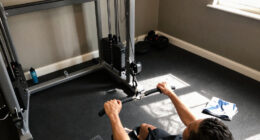
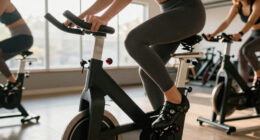
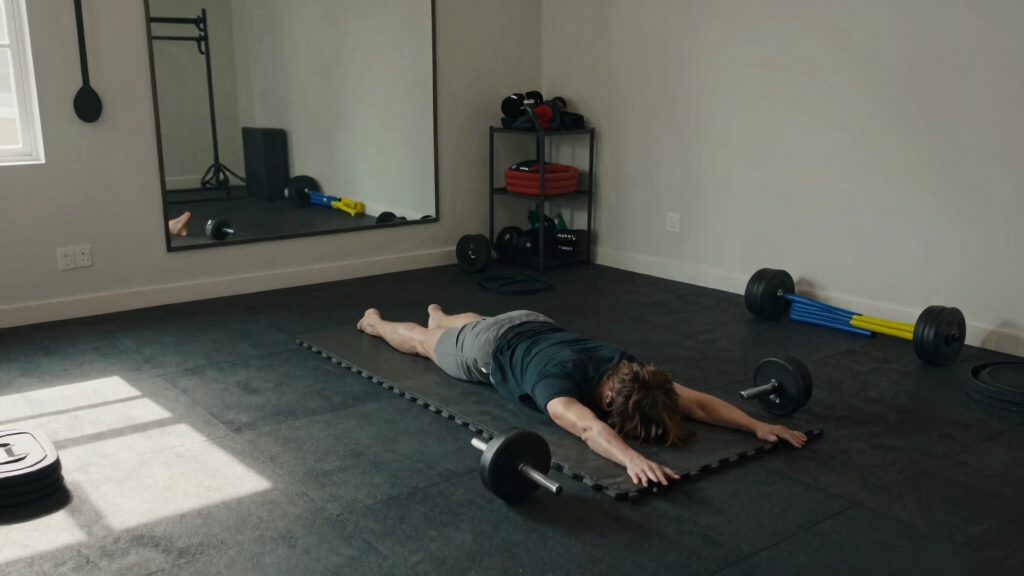
Most people can create an effective home gym in 50-150 square feet, especially with space-saving equipment. The key is aligning your goals with your available space and choosing versatile gear.
Ever wonder if your tiny apartment can host a solid workout? Creating a home gym isn’t about having a massive space; it’s about making smart choices and understanding what you really need.
Whether you’re dreaming of cardio, strength training, or just a quiet spot for stretching, the right space can be surprisingly small. Let’s break down what influences your ideal setup, so you can turn any corner into a fitness zone.
A functional home gym can be as small as 50 square feet with the right gear.
Prioritize multi-purpose, foldable, or wall-mounted equipment to save space.
Ceiling height matters—aim for at least 8 feet for safe overhead exercises.
Plan your layout carefully, leaving enough clearance for safety and movement.
Even tiny spaces can support effective workouts when you focus on your goals and optimize your setup.
What’s the smallest space that can still work for a home gym?
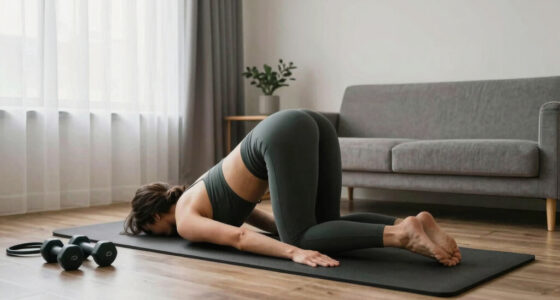
The bare minimum for a functional workout area is around 50 square feet. Think of a small corner with a yoga mat, a set of dumbbells, and maybe resistance bands. For example, a 5×10 foot space in your basement or spare room can hold a couple of compact weights and a mat for bodyweight moves.
This setup suits light strength routines, stretching, and yoga. It’s perfect for quick daily sessions or maintaining mobility without needing a dedicated room.
As an affiliate, we earn on qualifying purchases.
How much space do you need for different types of workouts?
| Workout Type | Approximate Space Needed |
|---|---|
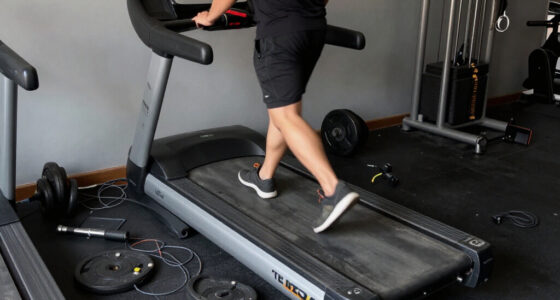
| Cardio (treadmill, elliptical) | 6-8 ft long x 3-4 ft wide + 2 ft clearance behind |
| Strength training (free weights, bench) | 100-150 sq ft for a small setup, more if adding a squat rack or multiple stations |
| Bodyweight & Flexibility | 20-50 sq ft; yoga mats, resistance bands, small weights |
Understanding these space needs helps you prioritize what to include based on your workout style. For instance, if you love cardio, you’ll need more length and width for equipment and safe clearance. Strength training with heavier weights demands more room for safety and proper form, especially if using large equipment like racks. Bodyweight and flexibility routines require less space but still benefit from enough room to move freely, which can influence your choice of layout and equipment placement. Balancing these factors ensures your space is both functional and safe, avoiding cramped or unsafe environments that could hinder your progress or cause injury.
As an affiliate, we earn on qualifying purchases.
How to plan your space step-by-step
- Measure your available room carefully — include ceiling height.
- Decide your primary workout focus—cardio, strength, or flexibility.
- Select equipment based on your goals and space — opt for foldable or wall-mounted options if tight.
- Arrange your equipment to maximize flow and safety, leaving at least 2 feet space around machines.
- Include mirrors, good lighting, and ventilation to make the space inviting and functional.
For instance, in a 100-square-foot corner, placing a fold-up treadmill against a wall, a small weight rack, and a yoga mat can create a versatile setup. The key is understanding that proper planning ensures safety and efficiency, reducing the risk of injury and making your workouts more enjoyable. Thoughtful placement of equipment also means you won’t have to constantly move things around, which can disrupt your routine and make workouts less appealing. Ultimately, the way you organize your space can turn a small area into a highly effective fitness zone.
As an affiliate, we earn on qualifying purchases.
What’s trending in small home gym designs?
Today, smart, space-efficient equipment leads the way. Foldable treadmills, wall-mounted racks, and compact strength gear are game-changers. These innovations allow you to maximize every inch of your space without sacrificing workout quality. For example, a wall-mounted pull-up bar or foldable squat rack can turn a tiny room into a full gym, offering versatility and convenience.
Virtual workouts with minimal gear, like smart mirrors or streaming classes, also reduce the need for bulky equipment, making it easier to maintain a consistent routine in small spaces. Many are converting garages or basements—sometimes just 50 to 200 square feet—into personalized gyms that fit their lifestyle and space constraints. The trend emphasizes adaptability and multifunctionality, ensuring you don’t need a large area to stay fit. These designs reflect a shift toward smarter, more flexible setups that prioritize quality and functionality over size, making fitness accessible regardless of space limitations.
As an affiliate, we earn on qualifying purchases.
What are the key facts about home gym space?
- About 50-100 square feet can support basic routines like yoga or strength training with small gear.
- 150-300 square feet offers room for a variety of equipment and full-body workouts.
- Ceiling heights of at least 8 feet are recommended, with taller ceilings better for jumping or overhead lifts.
Can a tiny apartment host a workout space?
Absolutely. With smart choices, even 20-30 square feet can work. Resistance bands, foldable benches, and compact cardio machines fit into small closets or corners. For example, a corner in your living room with a yoga mat, a small set of dumbbells, and a wall-mounted pull-up bar creates a functional zone.
Prioritize multi-use equipment and vertical storage to keep your space uncluttered and motivating.
How do you maximize a small workout area?
- Use vertical space for storage—wall racks, hooks, shelves.
- Choose multi-purpose equipment—adjustable dumbbells, foldable benches.
- Prioritize bodyweight exercises that don’t need equipment, like push-ups or planks.
- Keep the floor clear—use mats that can be rolled or folded away.
Frequently Asked Questions
How much space do I need for a treadmill or elliptical?
A treadmill typically needs about 6-8 feet in length and 3-4 feet in width, with at least 2 feet of clearance behind and on the sides for safe use. Ellipticals are similar in size, so plan accordingly based on your chosen model.Can I create a gym in a small apartment?
Yes. Focus on space-saving gear like resistance bands, foldable benches, and compact cardio machines. Even a small corner can support effective workouts with the right setup.What equipment is essential for a small home gym?
Basics include resistance bands, adjustable dumbbells, a yoga mat, and a foldable bench. These versatile tools support many workouts while taking up minimal space.How do I maximize a tiny space?
Use vertical storage, choose multi-purpose equipment, and focus on bodyweight exercises. Clear the floor for movement and keep clutter to a minimum for safety and motivation.Is a dedicated room necessary?
Not at all. Many successful home gyms fit into garages, basements, or even small corners, as long as you plan your layout and equipment wisely.Conclusion
Your home gym size isn’t about how much space you have—it’s about how you use it. With clever choices and thoughtful planning, even a small corner can become your personal fitness sanctuary.
Remember, every inch counts. Focus on what matters most for your goals, and don’t be afraid to get creative. Your best workout space might be smaller than you think.
Halloween Picks
halloween
As an affiliate, we earn on qualifying purchases.