TL;DR

Get workout gear delivered free with Prime
- Fast, free delivery on millions of items
- Prime Video, Amazon Music and more included
- Member-only deals all year
Fitness trackers estimate calories burned using algorithms based on movement, heart rate, and personal data. They offer useful general insights but are not precise. Knowing their limitations helps you use the data more effectively for your health goals.
Ever looked at your fitness tracker’s calorie count and wondered, “Is this really what I burned?” The numbers flash on the screen, promising instant clarity. But behind that digital readout lies a complex mix of sensors, algorithms, and assumptions. Understanding what your tracker’s “calories burned” really means can help you interpret the data more wisely—and avoid chasing false precision.
This guide walks you through how these devices estimate calories, their strengths and weaknesses, and practical tips for making the most of their insights without falling into traps or misconceptions.
Calorie counts from trackers are estimates, typically off by 20-30%.
Inputting accurate personal data and wearing devices correctly improves estimates.
Sensor technology advances are making calorie estimates more personalized, but they remain rough guides.
Use calorie data to motivate and track overall trends, not for strict calorie counting.
Combine tracker insights with other health habits for a balanced approach to wellness.
How Do Fitness Trackers Estimate Calories Burned?
Fitness trackers don’t measure calories directly; they estimate based on data like your heart rate, movement, age, weight, height, and gender. These devices use built-in sensors, primarily accelerometers and optical heart rate monitors, to gauge your activity. Then, they plug all that into a formula designed to approximate energy expenditure.
For example, if you’re briskly walking, your tracker picks up increased wrist movement and a higher heart rate. It then adds up the calories based on how intense and long your activity was, plus your personal info. The result: a number that aims to reflect your calories burned during that session.
As an affiliate, we earn on qualifying purchases.
Why Are These Numbers Usually Just Rough Estimates?
While helpful, these calorie counts can be quite off—by as much as 20-30%. That’s because every person’s body reacts differently, and sensors aren’t perfect. For instance, wrist movement doesn’t always match actual effort—think of weightlifting, where your wrist might stay still but your muscles work hard.
Additionally, factors like device placement, skin tone, and even sweat can affect sensor accuracy. According to research, during high-intensity interval training or resistance workouts, trackers tend to underestimate or overestimate calories. So, take the numbers with a grain of salt.
As an affiliate, we earn on qualifying purchases.
How Has Technology Improved Calorie Estimates?
Recent advances include integrating more sensors like SpO2 (blood oxygen) and skin temperature, along with smarter algorithms using machine learning. These improvements aim to personalize estimates based on your specific data over time.
For example, some smartwatches now learn your typical heart rate during different activities and adjust their calculations accordingly. This means your tracker gets a bit better at guessing calories as it gets to know your unique physiology. Still, it’s not perfect—just more refined than before.
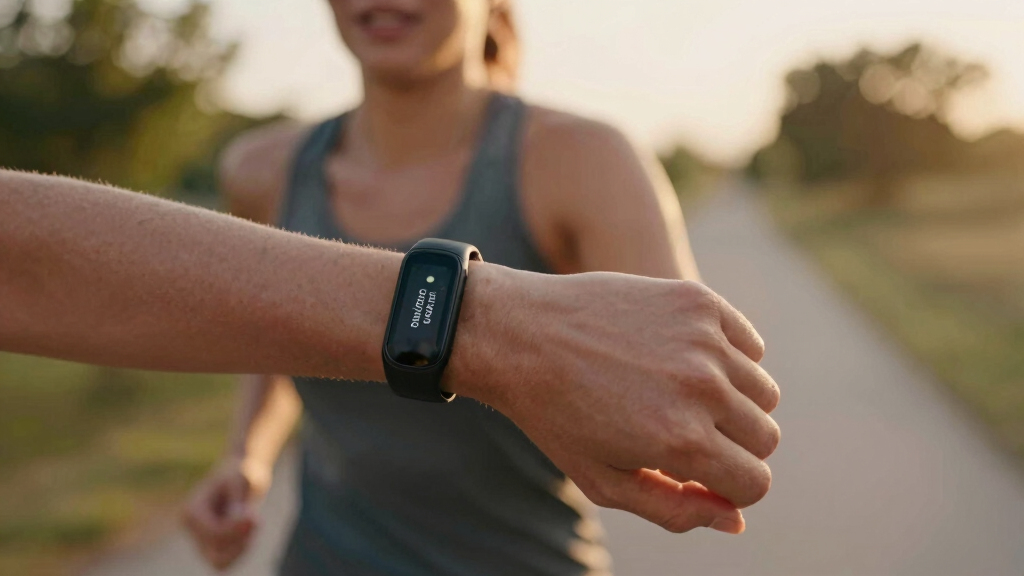
activity tracker with calorie estimation
As an affiliate, we earn on qualifying purchases.
As an affiliate, we earn on qualifying purchases.
What Really Affects Your Tracker’s Accuracy?
Inputting correct personal data—age, weight, height, gender—improves estimates. But consistent device wear and proper placement are just as critical. For example, wearing your wristband too loose or unevenly can skew heart rate readings.
Imagine jogging with your tracker snug on your wrist, but then during strength training, you wear it loosely. The calorie count might leap or dip unexpectedly. Small habits like these influence how reliable your data is.
In essence, the more consistent and accurate your data collection, the better your tracker’s estimates become.
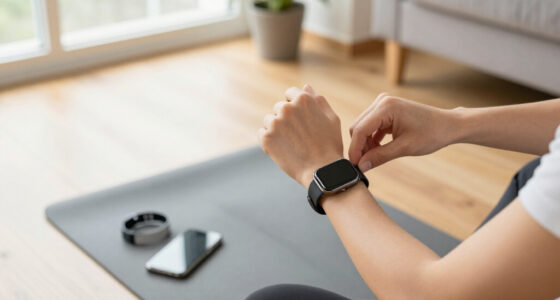
wearable device for calorie tracking
As an affiliate, we earn on qualifying purchases.
As an affiliate, we earn on qualifying purchases.
How Can You Use Calorie Data Without Being Fooled?
Think of calorie counts as a helpful guide, not gospel. Use the figures to gauge activity levels and stay motivated, but don’t obsess over exact numbers. For weight management, focus on overall patterns rather than daily tallies.
For example, if you notice your tracker says you burned 300 calories during a walk, that’s a rough idea, not a precise measure. Combine this with mindful eating and other habits for a more balanced approach.
Remember, your body’s response varies, and the goal isn’t perfection but consistent progress.
Comparison: What Do Different Devices Actually Count?
| Device Type | Primary Data Used | Strengths | Limitations |
|---|---|---|---|
| Smartwatches | Heart rate + movement | Good for steady activities, personalized estimates | Can struggle during high-movement or resistance training |
| Fitness Bands | Accelerometers + basic HR | Lightweight, constant wear | Less accurate during complex movements |
| Chest Straps | Electrocardiogram (ECG) | Most accurate HR tracking | Less convenient, more intrusive |
This table highlights how different devices rely on varying sensors and algorithms, affecting their calorie estimates. Choosing the right device depends on your activity style and accuracy needs.
Frequently Asked Questions
Are fitness tracker calorie estimates accurate enough for serious weight loss planning?
Probably not. They provide a useful ballpark figure but can vary significantly. For serious planning, consider combining tracker data with dietary tracking and professional advice.
Why do different devices give different calorie counts for the same activity?
Different sensors, algorithms, and data inputs lead to discrepancies. For example, a wrist-based tracker might underestimate calories compared to a chest strap ECG device during high-intensity exercise.
Can wearing my device on my ankle or waist improve accuracy?
Yes, placement matters. Devices worn closer to major muscle groups or with more direct contact (like chest straps) tend to record more accurate heart rate and movement data, improving calorie estimates.
How can I get better calorie estimates from my tracker?
Input your data accurately, wear the device properly, stay consistent, and treat the numbers as general guides. Remember, no device captures exact calories—use them to support your overall activity and health goals.
Conclusion
Think of your fitness tracker’s calorie count as a helpful nudge, not a precise measurement. It’s a tool to keep you moving and aware, but not a crystal ball for exact energy expenditure.
Next time you see that number, remember: your body is more complex than any algorithm. Use the data to inform, not dictate, your health journey. After all, the real value lies in consistency, not perfection.
Halloween Picks
halloween
As an affiliate, we earn on qualifying purchases.