
TL;DR

Get workout gear delivered free with Prime
- Fast, free delivery on millions of items
- Prime Video, Amazon Music and more included
- Member-only deals all year
Recovery scores from wearables provide a helpful glimpse into how well your body is resting, but they can’t predict the future. They rely on algorithms that track your body’s signals, yet raw data still leaves room for interpretation. Think of them as a helpful guide, not a crystal ball.
You’ve probably seen those numbers on your fitness watch after a workout — a ‘recovery score’ that claims to tell you if you’re ready for more or should take it easy. It sounds almost like having a personal coach in your wrist. But how much can a tiny sensor really know about your body’s complex recovery process? And should you base your decisions on it?
This article breaks down what recovery scores actually measure, how reliable they are, and what you should keep in mind before trusting a watch to tell you when you’re truly ready to push or rest. Because in the end, your body’s signals are nuanced — and no gadget can fully decode them.
Recovery scores are a simplified snapshot based on data like HRV, sleep, and heart rate variability.
They can help spot trends but shouldn’t replace your own feelings or context.
External factors like stress or illness can skew scores, so interpret them cautiously.
Use recovery scores as a tool, not a definitive answer — trust your body’s signals first.
Consistency and pattern recognition make these scores more meaningful over time.
What Exactly Is a Recovery Score? It’s Not Just a Number
Recovery scores are a single number your watch generates after analyzing data from your sleep, heart rate, and activity. Think of it as a report card for how well your body has recovered overnight. The score usually ranges from 0 to 100, with higher numbers suggesting you’re more ready for activity.
For example, after a night of deep, uninterrupted sleep and low resting heart rate, your watch might give you a recovery score of 85. On a rough day, with poor sleep and high stress, it might drop to 40. But that number is a simplified summary of many physiological signals.
At its core, a recovery score condenses complex body data into an easy-to-understand figure — but that simplification can sometimes hide important details. For instance, a high score might indicate good physical recovery, but it doesn’t account for mental fatigue or emotional stress, which can also impair performance and well-being. Conversely, a lower score might reflect physical exhaustion but overlook mental resilience or recent positive lifestyle changes. Recognizing these nuances helps prevent over-reliance on a single number and encourages a more holistic view of recovery.
Products Worth Considering

Garmin Venu 3 Fitness Smartwatch, 45 mm, Black
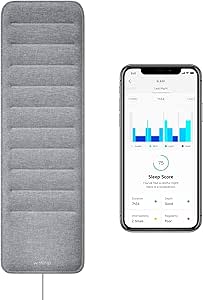
Withings Sleep Under-Mattress Sleep Tracking Pad

Hyperice Normatec Elite Wireless Compression Boots Recovery – Standard Size
As an affiliate, we earn on qualifying purchases.
How Do Watches Calculate These Scores? The Tech Behind the Scenes
Watches use algorithms that analyze multiple data points: sleep stages, heart rate variability (HRV), resting heart rate, activity levels, and sometimes body temperature. HRV, in particular, is a key marker — it measures the variation in time between heartbeats. A higher HRV often indicates better recovery because it reflects a resilient autonomic nervous system capable of adapting to stress.
For instance, if your HRV is high and your sleep was deep and consistent, your watch might interpret that as a sign of good recovery. Conversely, elevated resting heart rate and low HRV suggest your body is still under stress or hasn’t fully recovered. However, the interpretation isn’t black and white; factors like dehydration, caffeine intake, or even emotional state can influence these metrics, leading to potential misjudgments.
These algorithms are built on population averages and assumptions, meaning they often simplify complex physiological responses. They don’t see your individual stressors, mental health, or recent lifestyle changes, which can significantly impact recovery. Therefore, while they provide valuable insights, they should be viewed as a piece of the puzzle rather than definitive assessments. Over time, understanding how your personal data correlates with actual performance and well-being can help you interpret scores more accurately and make better-informed decisions.
Can a Watch Really Know How Rested You Are? The Limits You Need to Understand
The short answer: a watch can give you a decent estimate, but it cannot truly ‘know’ how rested or ready you are. It measures signals that correlate with recovery but can’t capture everything — like mental fatigue, emotional stress, or recent life changes.
Imagine you had a tough day at work, stressing over deadlines and feeling emotionally drained. Your HRV might look fine, but your mind is still racing. The watch’s recovery score might not reflect that mental load, which can be just as impactful on your performance and overall health. Relying solely on these scores can lead to misunderstandings about your true state, potentially causing you to push when you should rest or vice versa.
Understanding these limitations means recognizing that recovery is multifaceted. Physical indicators are vital, but mental and emotional factors play a critical role in how you truly feel and perform. Ignoring these can lead to overconfidence in the data, increasing the risk of overtraining or burnout. Therefore, use recovery scores as a helpful guide, but always couple them with your own awareness and judgment about your overall condition.
How Reliable Are Recovery Scores? What the Science Says
Research indicates that recovery scores can reflect short-term fluctuations in your physiological state. A study from Easy Fitness Results found that HRV-based scores can track changes in fatigue after intense workouts. But they aren’t foolproof. External factors like dehydration, illness, or emotional stress can throw off the readings, sometimes leading to misleading conclusions.
For example, if you’re fighting off a cold, your recovery score might dip even if you feel physically fine. Conversely, if you’re well-rested but stressed mentally, the score might not fully capture your true readiness. This discrepancy underscores the importance of contextual interpretation—scores are helpful, but they shouldn’t be used in isolation. Over-relying on them without considering other cues can result in misguided training decisions, increased injury risk, or overlooked signs of illness.
Experts agree: recovery scores are most effective when used as a supplementary tool—part of a broader assessment including how you feel, your recent activity, and other health indicators. Recognizing their limitations ensures you don’t overtrust the numbers and remain attentive to your body’s signals.
How to Use Recovery Scores Without Overthinking Them
Follow these 5 practical tips to get the most out of your recovery scores:
- Look at trends, not single days. A score of 50 one day isn’t a red flag — see if it’s part of a pattern over several days or weeks. This helps distinguish temporary fluctuations from meaningful changes.
- Combine scores with your feelings. If your watch says you’re recovered but you feel sluggish, fatigued, or mentally drained, trust your subjective experience. The numbers should complement, not replace, your intuition.
- Don’t push just because the score is high. A high recovery score is encouraging, but it doesn’t guarantee you’re ready for intense training. Listen to your body’s overall energy levels and mental state before ramping up activity.
- Account for external factors. Stressful events, illness, dehydration, or poor sleep can skew scores. Recognizing these influences prevents misinterpretation and helps you make more nuanced decisions.
- Use recovery scores as a guide, not a rule. They’re helpful tools, but your body’s signals and your experience should always take precedence. Flexibility in your approach ensures healthier, more sustainable progress.
For example, if your recovery score drops after a stressful week but you feel relatively good, consider taking a lighter day. Conversely, a high score with lingering fatigue might mean you need more rest. The key is integrating data with your awareness to avoid over- or under-reacting.
Frequently Asked Questions
Can I rely on recovery scores to plan my workouts?
Recovery scores are useful for spotting trends and getting a general sense of your readiness. But don’t base your entire workout plan on them. Listen to your body, consider how you feel, and use scores as one of several tools.Why does my recovery score sometimes drop even when I feel fine?
Scores can be influenced by factors like dehydration, stress, or illness that you might not notice. Remember, scores reflect physiological signals, not your subjective feelings. Use them as a guide, not the only indicator.Are recovery scores accurate for everyone?
Not necessarily. Individual differences in fitness, stress levels, and health mean that scores can vary in accuracy. They’re most helpful when you track your own patterns over time and combine data with personal awareness.Should I rest if my recovery score is low?
A low score suggests your body might be under stress or not fully recovered. Rest can be beneficial, but also consider how you feel physically and mentally. Sometimes, a lighter activity or active recovery is better than complete rest.Conclusion
Recovery scores can be a helpful nudge, a quick check-in on how your body is doing. But they’re not a crystal ball. The real key is listening to your signals — physical and mental — and giving yourself permission to rest or push as needed.
Think of your watch’s score as a weather forecast: helpful, but not infallible. Your body’s wisdom still rules. Next time your device nudges you, ask yourself, ‘What do I really need today?’ — that’s the best guide of all.