
TL;DR

Get workout gear delivered free with Prime
- Fast, free delivery on millions of items
- Prime Video, Amazon Music and more included
- Member-only deals all year
Wearable data can boost your health awareness, but only if you focus on key metrics and interpret them wisely. Regular review and understanding your goals turn numbers into helpful insights, not stress.
You’ve got a wearable on your wrist and a flood of data pouring in. Heart rate, sleep stages, activity counts—so much information, it can feel like trying to drink from a firehose. But here’s the truth: more data doesn’t automatically mean better health insights.
What you really need is a clear way to use that data. This guide will show you how to focus on what matters, interpret your numbers wisely, and stop drowning in the details. Because your wearable should support your goals, not turn into a source of stress.
Focus on 3-5 key metrics aligned with your personal health goals to avoid overwhelm.
Regularly review your data weekly, not daily, to see meaningful trends.
Use wearable insights as clues, not diagnoses—cross-check with how you feel and consult professionals when needed.
Choose devices that accurately track the metrics you care about, understanding their limitations.
Protect your privacy by controlling data sharing and understanding app security.
Pick the Right Metrics That Actually Help You Reach Your Goals
The first step is knowing which data points matter for what you want to achieve. Want better sleep? Focus on sleep duration and quality. Looking to improve endurance? Heart rate variability and activity levels are key.
For example, if your goal is reducing stress, monitoring your resting heart rate and HRV (heart rate variability) give you more meaningful clues than step counts or calorie burn.
Here’s a quick list of common goals and the metrics that support them:
- Better sleep: Sleep duration, sleep stages, disturbances
- Increased activity: Step count, active minutes, calories burned
- Stress management: Resting heart rate, HRV, breathing patterns
Understanding which metrics directly relate to your goals helps you prioritize data that truly informs your progress. For instance, tracking sleep duration alone might not be enough—look at sleep quality and disturbances to get a fuller picture. Similarly, monitoring HRV and resting heart rate can reveal subtle stress levels that aren’t apparent through activity data alone. This deeper understanding allows you to make more targeted lifestyle adjustments and avoid chasing irrelevant data that can cause unnecessary worry.
Remember, the goal is to interpret these metrics in context. For example, a slightly elevated resting heart rate during a stressful week is normal, but persistent high levels might indicate chronic stress or fatigue. Recognizing these nuances helps you make smarter health decisions and avoid misinterpretation that could lead to unnecessary anxiety or misdirected efforts.
Products Worth Considering

Garmin Venu 3 Fitness Smartwatch, 45 mm, Black
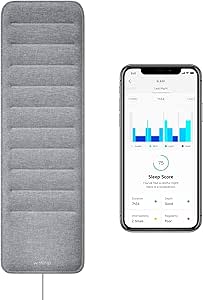
Withings Sleep Under-Mattress Sleep Tracking Pad

OMRON VIVA 360+ Body Composition Monitor and Smart Scale
As an affiliate, we earn on qualifying purchases.
How to Keep Your Data from Overwhelming You
Wearable devices can track dozens of metrics, but focusing on too many causes confusion and frustration. Instead, limit yourself to 3-5 key metrics that align with your goals.
Here’s a simple 3-step plan:
- Select your core metrics based on your goals.
- Review them weekly, not constantly.
- Interpret trends over time, not daily fluctuations.
For example, instead of obsessively checking your sleep every day, look at the weekly trend. Did your sleep quality improve or decline? That’s more useful than daily numbers that fluctuate due to minor factors.
This approach helps you avoid the trap of reacting to every small variation, which can lead to unnecessary stress or false alarms. By focusing on broader trends, you gain a clearer understanding of your health trajectory, which is more motivating and less overwhelming. Remember, health is a long-term journey, not a daily snapshot. Recognizing patterns over time allows you to see real progress and make adjustments with confidence, rather than reacting impulsively to every blip in the data which might be insignificant or misleading.
Compare Your Wearable Options and Know What They Can (and Can’t) Do
| Feature | Basic Wearables | Advanced Devices |
|---|---|---|
| Heart Rate Monitoring | Good for trends, occasional accuracy issues | More precise, includes HRV and ECG |
| Sleep Tracking | Provides duration and stages, with some margin of error | Higher accuracy, detailed sleep analysis |
| Blood Oxygen (SpO2) | Available on newer models, trend data | More detailed, continuous monitoring |
Understanding these differences helps you pick the right device for your goals and avoid chasing data that isn’t reliable or relevant for your needs. For example, basic devices can give you useful trend data, but may lack the precision needed for detecting subtle health issues. Advanced devices can provide more detailed insights, but often come with higher costs and complexity. Knowing what each device can reliably measure helps you set realistic expectations and avoid the frustration of chasing metrics that aren’t meaningful or accurate for your situation. It’s also important to consider how much you value data accuracy versus convenience or cost—sometimes a balance is best. The key is to match your device’s capabilities with your specific health concerns and goals, ensuring you don’t get sidetracked by metrics that don’t matter or aren’t trustworthy.
Use Technology and Context to Make Sense of Your Data
Wearable data is most useful when you interpret it in context. For example, a spike in heart rate during a workout is normal, but a high resting heart rate over several days might signal stress or fatigue.
Pair your data with lifestyle factors: Did you sleep poorly? Were you under stress? Or did you just overdo it at the gym?
Many apps now incorporate AI to spot patterns and suggest actions, like reminding you to relax or adjust your activity levels. Use these insights, but always cross-check with how you feel and other signs your body gives you.
For instance, if your resting heart rate is elevated, consider recent stressors or illness rather than jumping to conclusions. Combining data with subjective feelings and external factors gives you a more complete picture, helping you make smarter decisions about your health and activity levels. This nuanced approach prevents misinterpretation and ensures you act on signals that truly matter. Recognizing the context helps you distinguish between normal fluctuations and warning signs, which is crucial for making informed health decisions and avoiding unnecessary worry or overreaction.
Protect Your Privacy and Use Your Data Safely
As your wearable captures more personal data, safeguarding your privacy becomes vital. Use secure apps, review privacy policies, and control what you share with healthcare providers.
Remember, your data is valuable—don’t share it blindly. Focus on what’s useful for you, not what you can broadcast to the world.
Also, avoid relying solely on your device for health diagnoses. Wearables are tools for trend tracking and awareness, not definitive diagnostic devices. Always consult qualified healthcare professionals for health concerns or diagnoses.
Furthermore, be aware of the potential risks of data breaches or misuse. Limit sharing sensitive information and regularly update your app permissions. Educate yourself about how your data is stored and used, and choose devices from reputable manufacturers that prioritize privacy. This proactive approach helps you maintain control over your health information and reduces the risk of it being exploited or mishandled. Remember, safeguarding your data isn’t just about security—it’s about maintaining trust in your own health journey and ensuring your information isn’t misused or exposed unnecessarily.
Frequently Asked Questions
How do I know which wearable metrics are most important for my health?
Identify your personal health goals—whether it’s better sleep, increased activity, or stress reduction—and focus on metrics that directly relate to those areas. For example, sleep quality if you want more rest, or HRV if you’re managing stress.
Can wearable data replace medical tests?
No. Wearables are tools for trend tracking and awareness, not diagnostic devices. Always consult healthcare professionals for medical concerns or diagnosis.
How can I prevent data overload and anxiety?
Limit your focus to a few meaningful metrics, review data weekly, and avoid obsessively checking every number. Remember, trends matter more than daily fluctuations.
Are wearable devices accurate enough for health monitoring?
They are generally good at showing trends but are not perfect for clinical diagnosis. Use them as guides, not definitive tests.
How do I protect my privacy when using wearable devices?
Use secure apps, review privacy settings, and be cautious about sharing data. Your health info is sensitive—treat it that way.
Conclusion
Your wearable should be your health sidekick, not your stressor. By narrowing your focus, interpreting trends, and respecting your privacy, you turn a flood of data into real progress.
Remember: the goal isn’t to chase every number — it’s to live better, supported by insights that matter. So, choose your metrics wisely, review them thoughtfully, and let your device serve your goals, not drown them.