TL;DR
Listen free for 30 days with Audible
Thousands of audiobooks and originals — cancel anytime.
Start your free trialAs an affiliate, we earn on qualifying purchases.
Even if you stretch daily, your hips might stay tight due to muscle imbalances, fascia restrictions, or structural issues. Combining stretching with strengthening and mobility work offers better relief. Addressing habits and seeking professional guidance can make a real difference.
Stretching alone often isn’t enough for persistent hip tightness—combine it with strength and fascia work.
Prolonged sitting shortens hip muscles and fascia, reinforcing tightness unless countered by movement and stretching.
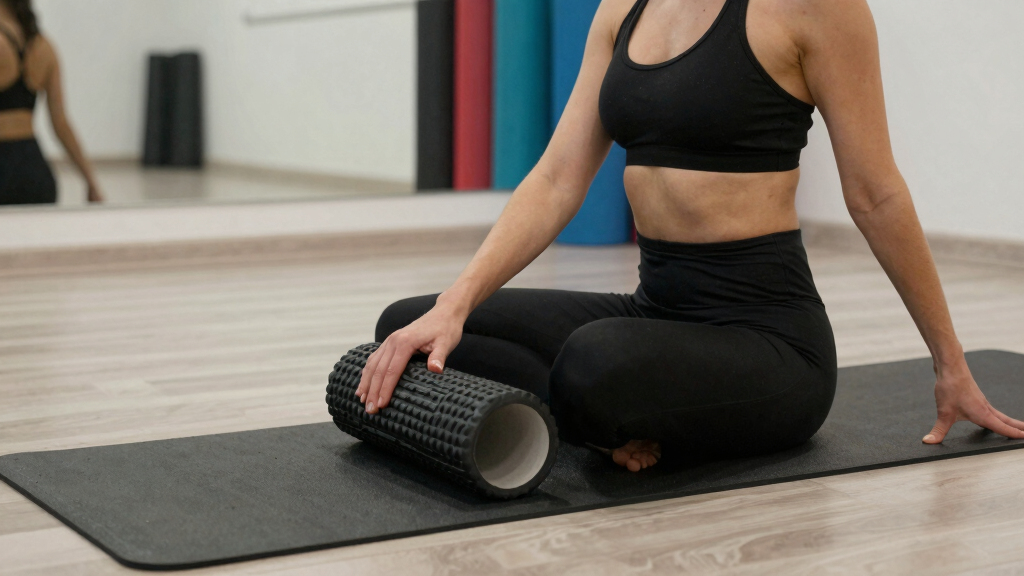
Targeted fascia release, like foam rolling, can unlock restrictions that stretching misses.
Strengthening the glutes and core balances muscle forces, reducing compensation and tightness.
Consistent, proper technique and addressing habits are essential for lasting change.
Stretching Alone Won’t Fix Chronic Hip Tightness
Stretching is great for temporary relief, but it rarely addresses the root causes of stubborn hip tightness. If your muscles are imbalanced or your fascia is restricted, stretching alone might just scratch the surface. For example, a runner with tight hips might feel relief after a stretch, but within hours, the tightness returns. That’s because muscles like the hip flexors or psoas can be shortened due to daily habits, and fascia can develop adhesions that don’t loosen with stretching. To truly improve, you need a multi-layered approach that combines mobility, strength, and fascia release.

Foam Roller Set – High Density Back Roller, Muscle Roller Stick
- Complete Body Massage Kit: Includes foam roller, massage stick, balls, strap, guide, and bag
- Relieves Muscle Soreness and Stress: Releases muscle tension and aids injury recovery
- Enhances Performance and Flexibility: Boosts blood flow and reduces stiffness
As an affiliate, we earn on qualifying purchases.
As an affiliate, we earn on qualifying purchases.
Why Your Hip Flexors Keep Tightening, Even When You Stretch Them
Hip flexors, especially the psoas, tend to stay tight because they’re constantly engaged during sitting. When you sit for hours—say, at a desk or in traffic—they shorten and adapt to that position. Even if you stretch them, the muscles may revert back to their shortened state if postural habits remain unchanged. For instance, you might do a lunge stretch every morning, but if you spend the rest of your day hunched over a laptop, the tightness persists. Strengthening the glutes and core can help balance this out, reducing the tendency for the hip flexors to tighten again.

Stretching & Flexibility, 2nd edition
As an affiliate, we earn on qualifying purchases.
As an affiliate, we earn on qualifying purchases.
How Fascia and Connective Tissue Keep Your Hips Stiff
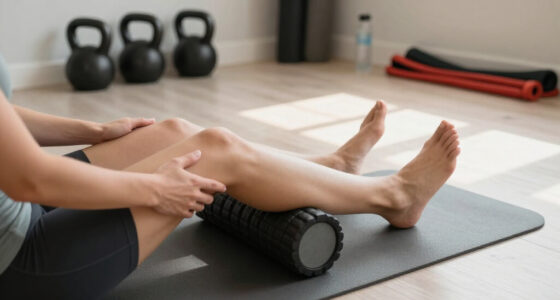
Fascia is the connective tissue that wraps around muscles, bones, and organs. It can develop adhesions—tiny scars or restrictions—that limit movement. Think of it like a tightly knotted net around your hips. No matter how much you stretch the muscles, these restrictions stay. Techniques like foam rolling or targeted massage can help release fascia, improving mobility. For example, rolling your hip area with a foam roller can break up adhesions, allowing the muscles to move more freely.

Fabric Resistance Bands for Working Out, 3-Pack for Legs and Glutes
- Non-slip textured fabric: Prevents rolling and sliding during workouts
- Durable elastic fabric: Resists snapping and stretching out
- Three resistance levels: Light, medium, and heavy bands included
As an affiliate, we earn on qualifying purchases.
As an affiliate, we earn on qualifying purchases.
The Role of Posture and Movement Habits in Hip Tightness
Imagine sitting all day with your hips in a flexed, shortened position. Over weeks and months, this habit causes the muscles and fascia to adapt to that shape. Even if you stretch, your brain has learned a new ‘default’ position—short and tight. For example, a person who works at a desk may notice their hips feel tight after hours of sitting. Incorporating regular movement, standing desks, and breaks can reset these patterns. Moving more often helps your hips regain their natural range of motion.

OPTP The Original Stretch Out Strap with Exercise Book, USA-Made Yoga Strap
- Trusted by Professionals: Recommended by physical therapists and trainers
- Versatile Use: Suitable for yoga, therapy, and workouts
- Health Benefits: Enhances flexibility, recovery, and mobility
As an affiliate, we earn on qualifying purchases.
As an affiliate, we earn on qualifying purchases.
A Simple 3-Step Plan to Fix Hip Tightness Once and For All
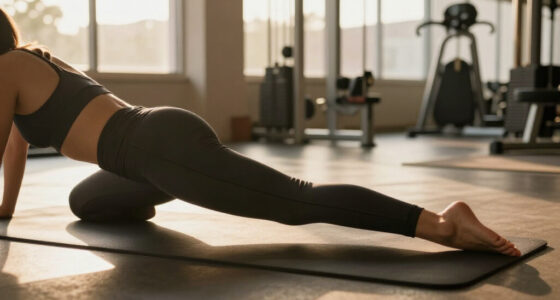
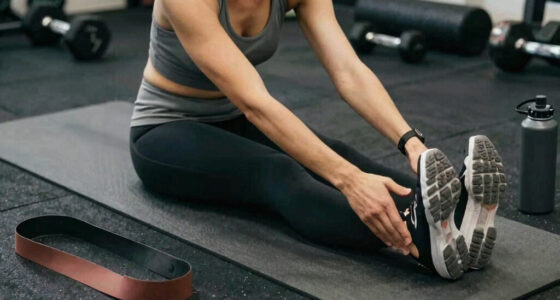
- Stretch smart: Focus on dynamic stretches that warm up the muscles, like leg swings or hip circles, and static stretches like the kneeling hip flexor stretch.
- Strengthen the hips and core: Incorporate exercises like bridges, clamshells, and planks to build muscle balance around your hips and pelvis.
- Release fascia and improve mobility: Use foam rolling on your hips and thighs daily, especially targeting tight areas. Add mobility drills like hip openers and controlled articular rotations (CARs).
Comparison: Stretching vs. Strengthening vs. Fascia Release
| Method | What It Does | Best For |
|---|---|---|
| Stretching | Increases muscle length temporarily | Relieving immediate tightness |
| Strengthening | Builds muscle balance and stability | Addressing imbalances that cause tightness |
| Fascia Release | Breaks up restrictions in connective tissue | Improving overall mobility and tissue health |
When to Seek Help From a Professional
If you’ve been stretching and strengthening for weeks without seeing progress, it might be time to see a physical therapist or mobility specialist. Persistent tightness could signal structural issues like labral tears or impingements. A professional can assess your movement patterns, identify underlying causes, and create a tailored plan. For example, if imaging shows a structural problem, stretching alone won’t fix it—professional guidance is essential.
Frequently Asked Questions
Why do my hips feel tight even after stretching regularly?
Because tightness can stem from muscle imbalances, fascia restrictions, or structural issues that stretching alone may not resolve. Combining various approaches yields better results.What exercises are best for improving hip flexibility?
A mix of dynamic stretches, mobility drills like hip circles, and strengthening moves such as bridges and clam shells work well when performed consistently and correctly.Should I see a professional if my hips stay tight?
Yes. If tightness persists despite regular stretching and mobility work, a physical therapist or mobility specialist can assess for deeper issues and tailor a plan suited to your needs.How long does it take to notice improvements?
Progress varies. Most people see changes within 4-6 weeks of consistent effort, but factors like age, habits, and underlying issues influence timing.Can sitting too much cause permanent damage?
Prolonged sitting can cause tightness and discomfort but is usually reversible with movement, stretching, and strengthening. Making small daily changes helps prevent long-term issues.Conclusion
Tight hips despite daily stretching are a sign your approach needs a refresh. Think of your hips as a complex system—muscles, fascia, habits—all playing a role. A mix of targeted mobility, strength, and fascia release, plus smarter movement habits, offers real change. Your hips can become more free and comfortable—if you treat the whole system, not just the muscles.Baby shower & registry season Picks
baby registry must-haves
As an affiliate, we earn on qualifying purchases.