
TL;DR

Get workout gear delivered free with Prime
- Fast, free delivery on millions of items
- Prime Video, Amazon Music and more included
- Member-only deals all year
Skipping your cool-down can lead to muscle soreness, blood pooling, and injury. A simple 5-10 minute routine helps your body recover safely and effectively, preventing hidden setbacks.
Ever felt that dull ache lingering after a workout? Or noticed dizziness when you suddenly stop exercising? Skipping your cool-down might seem minor, but it carries hidden costs.
In this guide, you’ll learn why a simple 5-10 minute cool-down isn’t just a time filler. It’s a crucial step for better recovery, less soreness, and fewer injuries. You’ll see how neglecting it can quietly slow your progress—and how to do it right.
A 5-10 minute cool-down helps your body clear lactic acid, reducing soreness and stiffness.
Skipping the cool-down can lead to blood pooling, dizziness, and higher injury risk.
Active recovery—like walking or gentle stretching—is more effective than complete rest after intense workouts.
Consistent cool-down routines can speed up recovery, keep muscles flexible, and prevent setbacks.
Set a timer or keep gear ready to make cooling down a simple, non-negotiable part of your workout.
Why Your Body Needs a Cool-Down, Not Just a Break
When you exercise intensely, your heart, muscles, and blood vessels are all working overtime. A cool-down helps these systems switch gears smoothly. Without it, blood can pool in your legs, causing dizziness or even fainting. Your muscles also store lactic acid, which can cause stiffness if not cleared out.
Imagine abruptly stopping during a run or a heavy lifting session. Your body’s systems are still in high gear, and a sudden halt can cause blood to remain in the extremities instead of circulating back efficiently. This can lead to dizziness or even fainting, especially if you’re in a risky environment. Muscles produce lactic acid during intense activity; if not gradually reduced through cooling, it can cause prolonged stiffness and discomfort, hampering your next workout. A proper cool-down acts as a transitional phase, allowing your cardiovascular and muscular systems to gradually return to baseline, which minimizes these risks and prepares your body for recovery and future activity.
Furthermore, this transition period is essential because it helps prevent the sudden drop in blood pressure that can occur when stopping abruptly. This drop can cause lightheadedness or fainting, which is particularly dangerous if you’re on uneven terrain or near traffic. Additionally, a gradual decrease in heart rate allows your nervous system to shift from sympathetic (fight or flight) to parasympathetic (rest and digest), promoting relaxation and recovery. Skipping this step may not only prolong soreness but also increase the chance of adverse events, especially in older adults or those with underlying health conditions.
As an affiliate, we earn on qualifying purchases.
What Happens When You Skip Your Cool-Down? The Hidden Consequences
Skipping your cool-down can silently sabotage your recovery. You might notice increased muscle soreness that lasts longer than necessary. This is because your body misses the chance to clear out metabolic waste like lactic acid, which builds up during exercise and needs time to be processed and removed. Without this clearance, muscles remain stiff and tender, reducing flexibility and making subsequent workouts more difficult.
Blood pooling, a common consequence of skipping the cool-down, can cause dizziness, lightheadedness, or even fainting—especially if you’re outdoors or on uneven ground. Over time, neglecting a proper cool-down can lead to microtrauma in tissues, making muscles and joints more prone to strains and sprains. For example, a cyclist who skips the cool-down might wake up feeling stiff and sore, with an increased risk of pulling a muscle during their next session. These hidden effects can slow progress, increase discomfort, and elevate injury risks, ultimately undermining your fitness goals.
Beyond immediate discomfort, inadequate recovery from skipping a cool-down can lead to cumulative tissue damage. When muscles and connective tissues don’t get a chance to repair properly, microtears can develop, weakening tissue integrity over time. This can result in chronic stiffness or even overuse injuries like tendinitis. Additionally, poor circulation caused by blood pooling impairs nutrient delivery and waste removal, impeding muscle repair and adaptation. The long-term tradeoff is a decreased ability to train consistently and effectively, which can stall progress and increase the likelihood of setbacks.
As an affiliate, we earn on qualifying purchases.
How Long Should a Cool-Down Be? The 5-Minute Rule That Works
Most experts agree that 5 to 10 minutes is enough to make a difference. Think of it as giving your body a gentle wind-down after a workout. Light walking, slow cycling, or easy stretching help to gradually reduce your heart rate and promote circulation. This transition period allows your cardiovascular system to shift smoothly from high-intensity activity to rest, preventing blood from pooling in the extremities and reducing the risk of dizziness.
For example, after a brisk 20-minute jog, spending a few minutes walking slowly helps your heart rate and blood pressure to normalize. Follow this with targeted stretches for your calves, hamstrings, and hips to release tension and improve flexibility. These small, deliberate steps facilitate metabolic waste removal and tissue recovery, which are essential for maintaining performance and avoiding stiffness or injury.
Choosing the right duration depends on workout intensity and your individual needs. If you’ve done high-intensity interval training or heavy lifting, extending your cool-down to 10 minutes can be beneficial, giving your body extra time to recover. Conversely, after moderate activity, 5 minutes might suffice. The key is consistency—integrating a routine that always includes some form of light activity and stretching ensures your body benefits from the transition, reducing the risk of injury and soreness.
As an affiliate, we earn on qualifying purchases.
The Best Cool-Down Moves You Can Do in 10 Minutes
Here’s a simple sequence to maximize your cool-down:
- Walk slowly for 3 minutes to gradually lower your heart rate, ensuring blood flow is directed back to core organs and reducing the chance of dizziness.
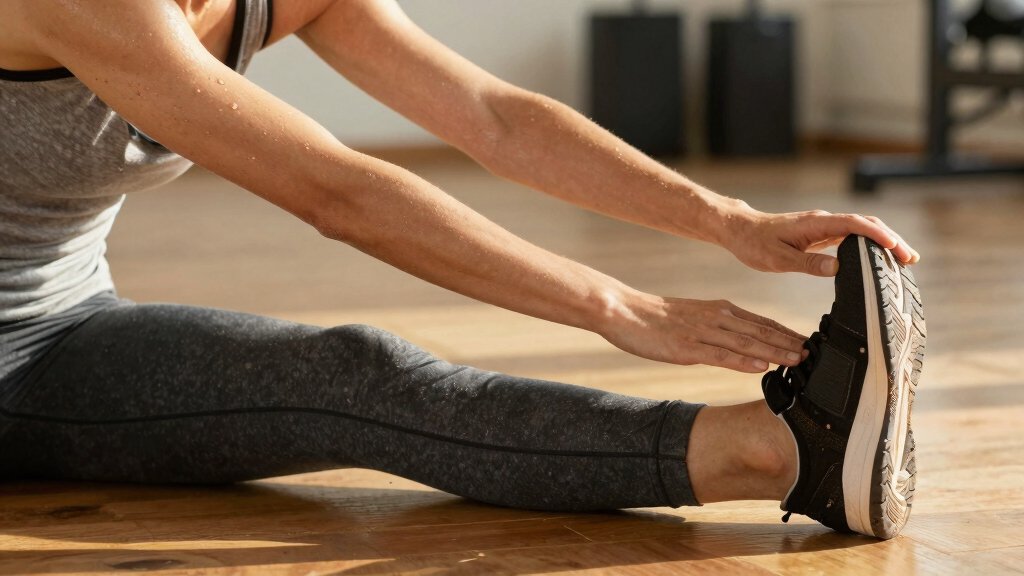
- Stretch major muscle groups like hamstrings, quads, calves, and hips—hold each stretch for 20-30 seconds to relax tissues and improve flexibility.
- Practice deep breathing for 2 minutes to activate your parasympathetic nervous system, which promotes relaxation and reduces stress hormones.
This straightforward routine supports circulation, flexibility, and mental calmness—just enough to recover without overdoing it. Incorporating these steps can prevent stiffness, improve range of motion, and help you feel more refreshed after each session.
As an affiliate, we earn on qualifying purchases.
Comparison: Active Recovery vs. Complete Rest — Which Is Better for Cooling Down?
| Method | What It Involves | Benefits |
|---|---|---|
| Active Recovery | Light activity like walking or gentle cycling | Maintains blood flow, speeds lactic acid removal, reduces soreness, and promotes mental relaxation by keeping the body gently engaged without strain. |
| Complete Rest | Sitting or lying down without movement | Allows muscles to relax completely but may slow circulation and prolong recovery, potentially leading to stiffness and delayed removal of metabolic waste. |
Simple Tricks to Make Your Cool-Down Stick
Sometimes, the hardest part is just remembering. Here are quick tips:
- Set a timer for 5 minutes after your workout to establish a routine.
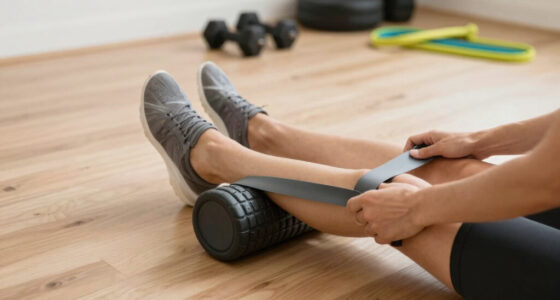
- Keep a stretching strap or foam roller nearby to facilitate effective stretching and muscle release.
- Pair your cool-down with a calming playlist or practice deep breathing to enhance relaxation and make the process enjoyable.
Making it easy and enjoyable increases the chances you’ll actually do it. Consistency is key to reaping the benefits of a proper cool-down, so find what works best for you and stick with it.
What Experts Say About the Cost of Skipping Cool-Downs
According to sports medicine specialists and exercise physiologists, neglecting a proper cool-down can significantly prolong recovery time and increase injury risk. They emphasize that even a short, gentle routine promotes circulation, reduces muscle tightness, and prevents dizziness or falls. For athletes and fitness enthusiasts alike, integrating cool-downs is seen as a non-negotiable element of safe and effective training, helping to safeguard long-term health and performance. Not doing so can lead to chronic stiffness, microtrauma, and increased susceptibility to strains, which can set back progress and lead to costly injuries.
Research indicates that consistently skipping cool-downs over time can contribute to cumulative tissue damage, making muscles less resilient and more prone to overuse injuries. Moreover, neglecting this step may impair your body’s ability to adapt to training stress, ultimately hindering progress and increasing the likelihood of setbacks that require longer recovery periods. Experts agree that the small investment of time in cooling down yields significant benefits in injury prevention, recovery speed, and overall performance longevity.
Frequently Asked Questions
Can I skip my cool-down if I’m in a rush?
While it might be tempting, skipping the cool-down can lead to increased soreness and dizziness. Even a quick 3-5 minute walk and gentle stretch can make a big difference in recovery.Is stretching alone enough after a workout?
Stretching helps improve flexibility, but combining it with light activity, like walking, ensures better circulation and lactic acid removal—making your cool-down more effective.What if I do high-intensity training? Do I need a longer cool-down?
High-intensity workouts demand a thorough cool-down, often 10 minutes or more, including gentle movement and deep breathing, to help your body recover safely.Can cool-down routines prevent injuries?
Yes, a proper cool-down reduces muscle tightness and blood pooling, lowering the chances of strains, sprains, or falls—especially important for intense or prolonged sessions.Conclusion
Skipping your cool-down might seem like a small time saver, but it quietly costs you in recovery and safety. Just five minutes of light activity and stretching helps your body return to baseline, reducing soreness and injury risk.
Next time you finish a workout, think of it as giving your body a gentle handshake goodbye—then get up and give yourself that moment of calm. Your muscles, joints, and future self will thank you for it.
Halloween Picks
halloween
As an affiliate, we earn on qualifying purchases.