
TL;DR
Sleep quality influences recovery, hormonal balance, and motivation, directly affecting how effective your workouts are. Improving sleep can boost muscle growth, fat loss, and performance—without extra effort in the gym.
Imagine this: you crush a workout, push your limits, and feel proud. But then, you wake up feeling sluggish, sore, or unmotivated. Why? Because sleep quietly decides whether your efforts pay off.
In this guide, you’ll see how sleep impacts muscle repair, hormone balance, and mental clarity—three pillars that determine if your workouts translate into real progress. Understanding this link can turn your fitness routine from a gamble into a consistent gain.
Prioritize consistent, high-quality sleep to support muscle repair and hormone balance.
Use sleep tracking tools to identify and improve your sleep habits.
Timing workouts around your circadian rhythm can enhance performance and recovery.
Poor sleep can reduce motivation, making it harder to stick with your fitness routine.
Simple changes—like a regular bedtime—can significantly boost your workout results.
Why Your Sleep Quality Is the Hidden Power Behind Workout Results
Sleep isn’t just about resting; it’s when your body repairs, rebuilds, and prepares for the next challenge. During deep sleep stages, your body releases growth hormone, which is essential for muscle repair and recovery. If sleep is shallow or disrupted, your muscles don’t get the full healing boost.
Imagine trying to build a house with weak foundations. Without proper sleep, your fitness gains are like a house built on sand. It’s not just fatigue—your body’s ability to rebuild and strengthen depends on quality rest. When you don’t get enough deep sleep, your muscles may recover slowly, increasing the risk of injury and overtraining. This means that even if you’re working out regularly, poor sleep can undermine your progress, leading to plateaus or setbacks. The tradeoff is clear: sacrificing sleep for extra gym time often results in diminishing returns, emphasizing the importance of prioritizing restorative sleep for optimal gains.
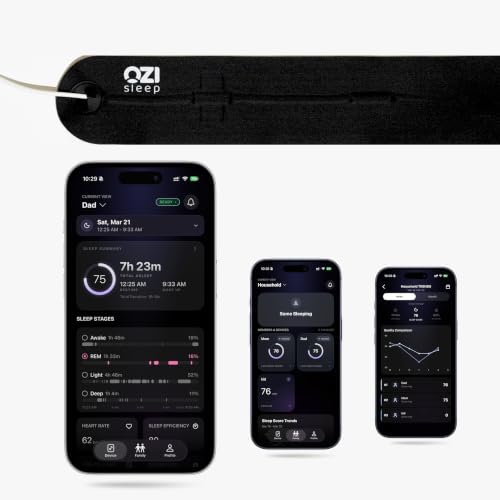
Sleep Tracker, Non-Wearable Contactless Under-Sheet Sleep Monitor, No Monthly Fees, Tracks Sleep Stages, Heart Rate, Breathing, Movement and Bed-Exit for Adults, Kids 5+, Families and Caregivers
NO WATCH, NO RING, NO CAMERA — OZI Sleep slides under your sheet to track overnight sleep patterns…
As an affiliate, we earn on qualifying purchases.
As an affiliate, we earn on qualifying purchases.
How Sleep Affects Your Hormones and Workout Gains
Sleep influences hormones like cortisol, testosterone, and insulin—all of which play roles in muscle growth and fat loss. When sleep is poor, cortisol levels rise, increasing stress and breaking down muscle tissue, which hampers recovery and can lead to muscle loss over time. Conversely, adequate sleep helps keep cortisol in check, supporting a more anabolic environment conducive to growth.
Testosterone, a key hormone for muscle building, naturally fluctuates with sleep quality. When sleep is insufficient, testosterone levels can drop significantly, sometimes by as much as 15-20%. This hormonal imbalance not only reduces your ability to build muscle but also affects motivation and energy levels. Insulin sensitivity also improves with good sleep, facilitating better nutrient uptake and recovery. The implications are profound: consistently poor sleep can lead to a hormonal environment that favors fat storage over muscle gain, making your efforts less effective. The tradeoff here is that sacrificing sleep for extra training may seem beneficial short-term but ultimately hampers long-term progress due to hormonal disruption.

REVO Sleep 14-Inch Gel Memory Foam Mattress, Full – Cooling Recovery Mattress for Athletes, Pressure Relief for Muscles & Joints, Contouring Support, Breathable Performance Sleep Surface
Built for Muscle Recovery & Restorative Sleep: Engineered to support active bodies, the multi-layer foam system cushions pressure…
As an affiliate, we earn on qualifying purchases.
As an affiliate, we earn on qualifying purchases.
The Link Between Sleep and Motivation: Why Rest Begets Results
Missing sleep drains your mental sharpness and motivation. Ever notice how workouts feel harder after a restless night? That’s because sleep deprivation affects your brain’s ability to focus and make decisions—both crucial for maintaining a consistent fitness routine.
When you don’t get enough rest, your cognitive functions decline, leading to decreased willpower and increased susceptibility to skipping workouts or cutting sessions short. This creates a negative cycle: poor sleep reduces motivation, which leads to less activity, further impacting sleep quality. Conversely, adequate sleep restores neurochemical balance, improving mood, focus, and decision-making capacity. The implication is that sleep isn’t just about physical recovery; it’s integral to your mental resilience and consistency. The tradeoff is that neglecting sleep might seem to free up time for other activities, but in reality, it diminishes your capacity to perform and stay motivated, undermining your fitness goals in the long run.
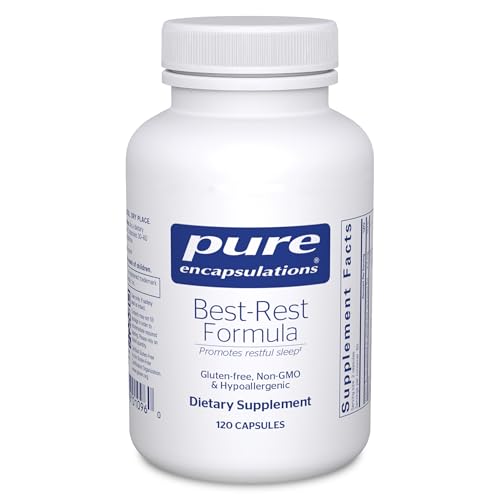
Pure Encapsulations Best-Rest Formula – Supports Restful Sleep – for Relaxation* – Restful Sleep Supplement – Non-GMO & Vegan – 120 Capsules
Restful Sleep Supplement: Pure's Best-Rest Formula supports restful sleep and offers support for occasional sleeplessness*
As an affiliate, we earn on qualifying purchases.
As an affiliate, we earn on qualifying purchases.
What Does Good Sleep Look Like for Fitness? (The 3 Pillars of Restful Sleep)
Good sleep isn’t just about clocking 8 hours. It’s about quality—deep, uninterrupted sleep stages that cycle through REM and slow-wave sleep. These stages are critical for physical and mental recovery, hormone regulation, and memory consolidation. Without enough deep sleep, your body misses out on essential repair processes, leading to fatigue and decreased performance.
To maximize recovery, aim for a sleep environment that’s dark, cool, and quiet. This minimizes disruptions that fragment sleep cycles. Additionally, establishing a consistent bedtime helps synchronize your circadian rhythm, making it easier to fall asleep and stay in restorative stages. A typical night with 7-9 hours of good sleep, achieved by maintaining these environmental and behavioral factors, can leave you feeling energized, focused, and ready to crush your next workout. Prioritizing these elements ensures that your sleep supports your training rather than undermining it.

Sleep ZM Blue Light Blocking Glasses for Women + Men – Better Sleep + Anti Eye Strain Protection – Computer Screens & Gaming – Black Wayfarer – 99% Night-time Amber Lens
WIND DOWN BEFORE BED — SleepAid orange lenses filter 99% of blue light so your brain starts its…
As an affiliate, we earn on qualifying purchases.
As an affiliate, we earn on qualifying purchases.
How to Use Sleep Data to Improve Your Workout Results
Modern sleep trackers give you a window into your sleep stages and quality. Use this data to identify patterns—like frequent awakenings or shallow sleep—that might be sabotaging your progress. Recognizing these patterns allows you to make targeted changes, such as adjusting your bedtime routine or environment, to enhance sleep quality and, consequently, workout performance.
Here’s a simple step-by-step:
- Wear a sleep tracker nightly to gather consistent data.
- Review your sleep quality and duration each week, noting any disruptions or patterns.
- Identify habits that disrupt sleep (screen time, caffeine, stress) and evaluate their impact.
- Adjust routines—use earplugs, establish calming pre-sleep rituals, or set a consistent bedtime.
- Track improvements in sleep and observe how these correlate with your workout performance and motivation.
Over time, these data-driven adjustments can lead to noticeable gains in strength, endurance, and mental focus, demonstrating the power of targeted sleep optimization.
Compare Sleep Timing: Morning vs. Evening Workouts
| Workout Time | Sleep Impact |
|---|---|
| Morning | Can boost alertness and set a positive tone for the day, but may require an earlier bedtime to ensure enough sleep. Exercising early can help regulate circadian rhythms, making it easier to fall asleep at night, but if it cuts into your sleep hours, it can backfire, leading to fatigue. |
| Evening | May interfere with falling asleep if done too late or too intensely, but a moderate and relaxing evening workout can promote better sleep by reducing stress and helping you unwind. The key is timing and intensity to prevent sleep disruption while benefiting from the exercise’s calming effects. |
3 Simple Tips to Sleep Better and Boost Your Results
- Stick to a consistent sleep schedule—going to bed and waking up at the same time every day helps regulate your circadian rhythm, making it easier to fall asleep and wake refreshed.
- Create a relaxing bedtime routine—engage in calming activities like reading, gentle stretching, or listening to soothing music to signal to your body that it’s time to wind down.
- Limit screens and caffeine at least an hour before bed to avoid disrupting melatonin production and interfere with your ability to fall asleep naturally. These habits help establish a sleep-friendly environment, ensuring your rest is deep and uninterrupted.
Frequently Asked Questions
How many hours of sleep do I really need for better workout results?
Most adults benefit from 7-9 hours of quality sleep per night. This range supports muscle recovery, hormonal health, and mental focus—key ingredients for workout success.Can poor sleep completely stop my progress?
Chronic sleep deprivation can significantly slow muscle growth, impair recovery, and decrease motivation. While it may not stop progress entirely, it makes gains much harder to achieve.What are the first signs that my sleep is affecting my workouts?
Noticeable signs include increased fatigue, longer recovery times, decreased strength, and a lack of motivation to exercise. If workouts feel harder or less satisfying, your sleep might be part of the problem.What simple steps can I take to improve my sleep for better fitness results?
Stick to a consistent bedtime, create a calming routine, and avoid screens and caffeine before bed. Small habits like these can make a big difference in how rested you feel.Should I work out in the morning or evening to improve sleep quality?
It depends on your body’s rhythm. Moderate morning exercise can energize you for the day, while evening workouts can promote deeper sleep if not too intense or late. Experiment to see what works best for you.Conclusion
Sleep isn’t just a passive activity; it’s a powerful, quiet partner in your fitness journey. When you give your body the rest it needs, your workouts become more effective and sustainable.
Think of sleep as the foundation of your progress—neglect it, and even the hardest workouts won’t reach their full potential. Prioritize your sleep, and your body will thank you with strength, resilience, and consistency.