
TL;DR

Get workout gear delivered free with Prime
- Fast, free delivery on millions of items
- Prime Video, Amazon Music and more included
- Member-only deals all year
A smart ring is a low-profile choice for people who want passive health and sleep trends without a screen, while a smartwatch adds GPS, workout controls, apps, and at-a-glance feedback. Neither is automatically more accurate or better value: comfort, fit, phone compatibility, subscriptions, battery life, and the data you will actually use matter more.
A wearable can collect data all night and still be poor value if it spends most of the week on your nightstand. That is the real test behind a smart ring vs a watch: which one fits your hands, habits, and reasons for tracking?
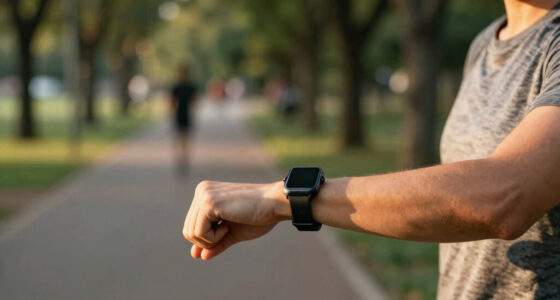
A ring sits quietly on your finger, without a bright screen or buzzing alerts. A watch puts information on your wrist, where you can glance at a pace, follow a route, or respond to a notification. Both can track measures such as heart rate, sleep, and activity, but they make different tradeoffs in comfort and interaction.
This guide compares what each device does well, where expectations can get ahead of the evidence, and what to check before spending money. You will see why the choice comes down to what someone wants to track and how they want to wear technology—and why the best device is often the one you keep wearing.
Choose a ring if you value discreet wear and passive sleep or wellness trends, and its fit feels comfortable.
Choose a watch if you want a display, GPS, notifications, apps, or on-wrist workout controls.
Compare accuracy by the specific metric and activity you care about; neither form factor wins every measurement.
Add subscriptions, charging, phone compatibility, data access, and software support to the upfront price.
Use wearable readings as estimates and trends, not diagnoses or a replacement for professional guidance.
Smart Ring vs Watch What’s the Real Value?
A ring quietly tracks wellness trends; a watch puts live information and controls on your wrist. The better value is the device that fits your routine and gets worn consistently.
Match the device to your day
Both can track heart rate, sleep, and activity, but they deliver information differently.
- Discreet, screen-free wear
- Passive sleep and wellness trends
- May feel easier overnight
- At-a-glance feedback
- GPS, apps, and notifications
- On-wrist workout controls
Choose for the activity
The feature matters only if it fits the activity and feels comfortable to use.
Sleep and daily trends
A ring may suit someone who wants passive tracking without a screen or wristband at night.
Runs and workouts
A watch makes it easier to check pace, follow a route, or control a session.
Comfort in motion
A ring may feel awkward when gripping weights; check fit and activity guidance.
Check the real cost
Compare the exact models and the features you will use.
- Purchase price, subscriptions, and sizing or replacement costs
- Battery life and charging needs for your use
- Phone compatibility, app support, and data export
- Software support and privacy practices
Read the data carefully
Accuracy depends on the metric, device, fit, and activity. Sleep scores and health readings are estimates, not diagnoses.
Decide what you want to track and when you need to see it.
Consider overnight wear, finger sizing, and your usual activities.
Check subscriptions, compatibility, data access, and support.
A smart ring or watch makes sense for different daily habits
A smart ring vs a watch comparison starts with how you want information to reach you: a ring gathers data quietly, while a watch lets you check and interact with it. A ring’s small, screen-free shape can feel like ordinary jewelry; a watch acts more like a tiny dashboard on your wrist. Neither form is automatically better for tracking.
Imagine you spend the day at a desk, dislike wristbands in bed, and mainly want a view of sleep and general activity. A ring may suit that routine because it can stay on without flashing a screen at you. Now imagine you run outdoors and want to glance at your pace or follow a map. A watch gives you that information in the moment, while a ring does not have a display to show it.
Think of the ring as a notebook that quietly fills in the background and the watch as a dashboard you can consult while driving. The notebook is less distracting; the dashboard gives you controls and quick feedback. A ring may support passive wellness tracking, while a watch combines tracking with apps, notifications, and workout tools.
Before choosing, name your top two uses. “Notice broad sleep trends” and “see distance during a run” point to different devices. If you have no clear reason for a particular feature, don’t let a long specification list persuade you to pay for it.
Products Worth Considering

Garmin Forerunner 965 GPS Multisport Smartwatch with AMOLED Display and Charging Bundle

Withings Sleep Under-Mattress Sleep Tracking Pad

Garmin Forerunner 970 GPS Running Smartwatch Bundle, Soft Gold
As an affiliate, we earn on qualifying purchases.
A watch usually offers more control during exercise
A smartwatch is usually the more practical pick when you want live workout feedback, GPS, or controls on your wrist. Its screen makes it easier to check pace, distance, time, or a training prompt without stopping. A ring can record activity, but you cannot interact with it in the same way while you move.
Picture a weekend jog through an unfamiliar park. With a watch, you may be able to view a route or glance at your pace; a ring stays out of the conversation. If you go to a gym and follow a timed workout, wrist controls can make it easier to start, pause, or switch sessions. Which matters depends on the workout and the exact device features.
Finger comfort also matters. A ring can feel awkward when you grip a heavy dumbbell, kettlebell, or barbell, and jewelry may be unsuitable for some sports or work settings. Check manufacturer guidance and the rules for your activity. Removing it during a gripping session may make more sense than trying to track every minute.
For a mixed routine, think through the actual week: perhaps you walk, lift twice, and take one long run. The watch may earn its place through the run’s navigation and quick checks, even if a ring would be more comfortable during sleep. A feature only has practical value if it fits the activity and you can use it comfortably.
A ring may feel easier to wear overnight, but comfort decides
A smart ring may be easier than a watch for sleep tracking if you dislike a band around your wrist, but comfort and fit vary from person to person. A small ring has no large face pressed against the pillow, and it lacks a screen that might light up. Yet the ring still needs to fit properly to sit comfortably and collect useful readings.
For example, someone who takes off a watch each night because the band feels warm might find a ring less noticeable. Someone whose fingers swell in heat or feel tighter by evening may have the opposite experience. Finger size can change with temperature and time of day, so sizing deserves more attention than picking a band color.
Both rings and watches can estimate sleep-related measures, but their numbers are not a perfect record of what happened in bed. Sleep-stage labels and nightly scores can look precise while still being estimates. Treat them as rough trends across time, not a verdict on whether you slept “well” on one particular night.
If you want overnight data, test comfort over several ordinary nights and notice whether you wake up bothered by the device. Consider whether you already wear jewelry to sleep, how you respond to a snug fit, and whether the product has a useful sizing or return process. A device left in a drawer cannot tell you much about your routine.
Neither device wins every accuracy question
A smart ring is not automatically more accurate than a watch, and a watch is not automatically more accurate than a ring. Results can differ by metric, model, fit, and activity. A single accuracy claim cannot tell you how well a device handles every measurement, from a quiet night’s heart-rate readings to movement during a workout.
Consider the difference between sleeping in bed and swinging a tennis racket. A device may sit relatively still for one task but experience more motion during another. How securely it fits and where it reads signals also matter. If heart-rate tracking during a particular sport is your main reason to buy, look for independent testing of that metric and activity rather than trusting a broad “tracks health” label.
Software adds another layer. Many products turn sensor readings into trends and coaching-style summaries, and smart rings have become more visible in mainstream wellness products. Some systems offer temperature trends, cycle-related insights, or broader health summaries. Those tools can help you notice patterns, but availability, validation, and quality differ across products.
Use the data as a pencil mark on a calendar, not a diagnosis. A wearable can be a prompt to pay attention to a trend; it cannot replace a qualified professional’s assessment. If a reading worries you or you have a health condition that affects exercise or monitoring, talk with a clinician about what information is appropriate for you to track.
The lower purchase price may not be the lower long-term cost
The real cost of a ring or watch includes more than its price at checkout: check subscriptions, fit or replacement expenses, and how long the device receives software support. Some ring platforms charge recurring fees for detailed insights, while others make features available without a subscription. Policies vary by brand, model, and plan, so verify current terms before deciding.
Imagine you find two devices at different upfront prices. The less expensive one may require an ongoing payment for the summaries you planned to use. The higher-priced watch may include the display and GPS you need for runs, but you might never use its extra apps. The sensible comparison is not price against price; it is the total cost against the features that serve your routine.
Battery claims also need context. A ring may last several days, but it still needs charging. A watch’s screen, GPS use, and frequent interaction can increase power demands. If you regularly forget to charge devices, check realistic reports for the exact models and consider whether the charging schedule fits your week.
Phone compatibility and access to your data belong in the same budget conversation. Check which phone systems work, which health apps connect, what data you can export, and whether features depend on an account or region. Software policies change, so confirm current specifications and subscription details before purchase rather than relying on old comparisons.
Use these five checks to choose the device you will keep wearing
You can make a better choice by matching a device to a real week, then checking its costs, comfort, and data rules. Start with your routine rather than the product’s feature list. For instance, a person who wants overnight trends but hates wristbands has different priorities from someone who needs route guidance on morning runs.
- Write down your top two jobs. Choose concrete needs, such as sleep trends and daily steps, or GPS and workout controls.
- Check comfort against your activities. Consider sleep, typing, lifting, sports rules, and whether finger or wrist wear bothers you.
- Compare ongoing costs. Add any subscription, sizing or replacement costs, and the features that remain if a plan ends.
- Confirm phone and data fit. Check operating-system support, app connections, data export, privacy terms, and regional feature availability.
- Look at charging and fit details. Compare real-world battery reports, sizing advice, and return policies for the specific model.
These checks make a vague “which is best?” question easier to answer. If you mostly want a device to stay out of the way, a ring may fit. If you want a screen you can use during exercise and daily errands, a watch may make more sense.
Some people use both: a watch for exercise and a ring for overnight comfort. That setup can work, but only if their apps and phone combine the data in a way you find useful. You do not need two devices to prove you take fitness seriously; one that supports your habits can be enough.
Frequently Asked Questions
Is a smart ring more accurate than a smartwatch?
Neither is more accurate across every metric. Results depend on the specific device, fit, measurement, and activity, so look for independent testing of the feature you care about. For example, test evidence for overnight readings may not answer how well a device tracks movement during a workout.
Can a smart ring replace a smartwatch?
A ring can cover some tracking functions, but it generally does not replace a watch’s screen, notifications, GPS navigation, apps, or on-wrist workout controls. If you mainly want quiet wellness trends, that may be enough. If you rely on live pace or route information, a watch is more practical.
Which is better for sleep tracking?
A ring may feel more comfortable overnight for some people because it has no wristband or screen. The best choice depends on your fit and personal comfort, and both devices estimate sleep measures rather than recording every detail perfectly. Look for patterns across nights instead of treating one score as a full account of your sleep.
Do smart rings require a subscription?
Some ring platforms charge a recurring fee for detailed insights, while others include features without a subscription. Check the current plan and what data or summaries remain available if you stop paying. Include that cost in your comparison with a watch.
Can I wear a ring while lifting weights or playing sports?
A ring may feel uncomfortable or be unsuitable during gripping activities, and some sports or workplaces restrict jewelry. Check the manufacturer’s guidance and the rules for your activity, then remove it when appropriate. You can still track other parts of your day without wearing it for every workout.
Can I use a smart ring and a watch together?
Often you can, but whether their data combines cleanly depends on your phone, health apps, and each manufacturer’s software. One person might wear a watch for GPS runs and a ring overnight, for example. Check app compatibility first so you know where each device’s information will appear.
Conclusion
Choose the wearable that fits the job you actually have: a ring for discreet, comfortable tracking or a watch for visible information and active controls. Before you buy, check fit, total cost, phone support, and how the device handles your favorite activities.
Your best tracker is the one that feels natural enough to wear and useful enough to check. Let it be a quiet helper, not another thing demanding your attention.