
TL;DR
Open a free Amazon Business account
Business pricing, bulk buying and tax-exempt orders.
Create a free accountAs an affiliate, we earn on qualifying purchases.
You can lift heavy without looking muscular because strength often comes from neural efficiency, not muscle size. Visible muscles depend on hypertrophy and body fat levels, which are influenced by nutrition and training style.
Imagine lifting a heavy weight with ease, yet your reflection still shows a lean, unassuming physique. That’s more common than you think. Many people get caught up in the idea that heavy lifting equals a muscular body, but the truth is more nuanced. This article breaks down why strength and appearance are different goals—and how you can optimize both.
Understanding the difference can save you months of frustration. Whether you want to look strong or just get stronger, knowing what influences each helps you tweak your training and nutrition for real results.
Neural efficiency drives early strength gains, not muscle size.
Muscle hypertrophy determines how muscular you look, not just how much you lift.
Body fat levels mask or reveal muscle definition—losing fat shows your strength.
Training style (low reps vs. high reps) influences whether you get strong or bulky.
Genetics set the stage, but nutrition and training shape the final picture.
Strength Is About Your Nervous System, Not Just Muscles
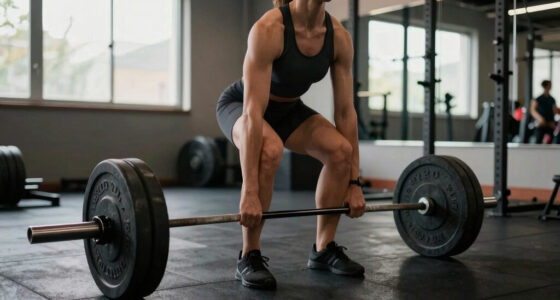
Strength primarily hinges on how efficiently your nervous system can recruit muscle fibers. You might lift heavy because your brain is learning to activate muscles quickly and effectively, not because your muscles are bigger. For example, a powerlifter might squat 400 pounds but not have the bulky look of a bodybuilder.
Think of neural efficiency like a well-oiled machine—your muscles fire on command, maximizing force without adding bulk. This is why beginners often see rapid strength gains without any noticeable muscle growth.
neural efficiency training equipment
As an affiliate, we earn on qualifying purchases.
As an affiliate, we earn on qualifying purchases.
Muscle Size and How It Shapes Your Look
Muscle hypertrophy—the growth of muscle cells—is what makes muscles look big and defined. You can be strong without much hypertrophy if your muscles are dense and well-trained but not large. For instance, a powerlifter’s arms might look slim but can lift incredible weights, thanks to dense, efficient muscles.
When muscles grow, they push against the skin, creating a more muscular appearance. But if your training focuses on lifting heavy with few reps, you might not stimulate as much hypertrophy as you think.

The Muscle Ladder: Get Jacked Using Science
As an affiliate, we earn on qualifying purchases.
As an affiliate, we earn on qualifying purchases.
How Body Composition Changes Your Visual Strength
Your body fat percentage plays a huge role in how muscular you look. Drop a few pounds of fat, and suddenly your muscles pop more. Conversely, gaining muscle without reducing fat can make you heavier but not necessarily more visibly muscular.
Imagine two people lifting the same weight: one has low body fat and visible muscle striations, the other has higher fat levels that obscure muscle detail. The first looks more muscular even if both can lift equally heavy.
It’s like sculpting with clay—removing excess reveals the shape underneath.
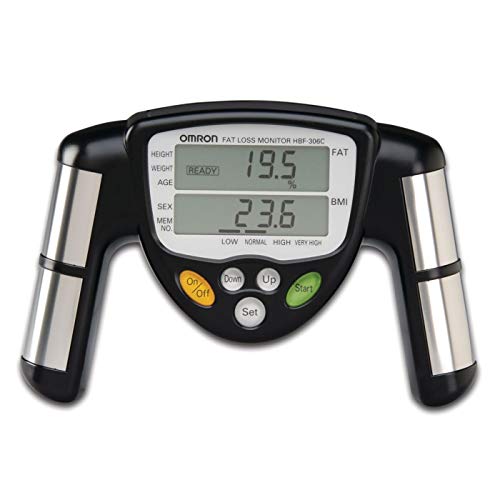
Omron HBF-306C Handheld Body Fat Loss Monitor
- Accurate Body Fat & BMI Measurement: Bioelectrical impedance method
- Two User Modes: Standard and athlete modes
- Multiple Profile Storage: Stores up to 9 profiles
As an affiliate, we earn on qualifying purchases.
As an affiliate, we earn on qualifying purchases.
Training Focus: Strength vs. Size
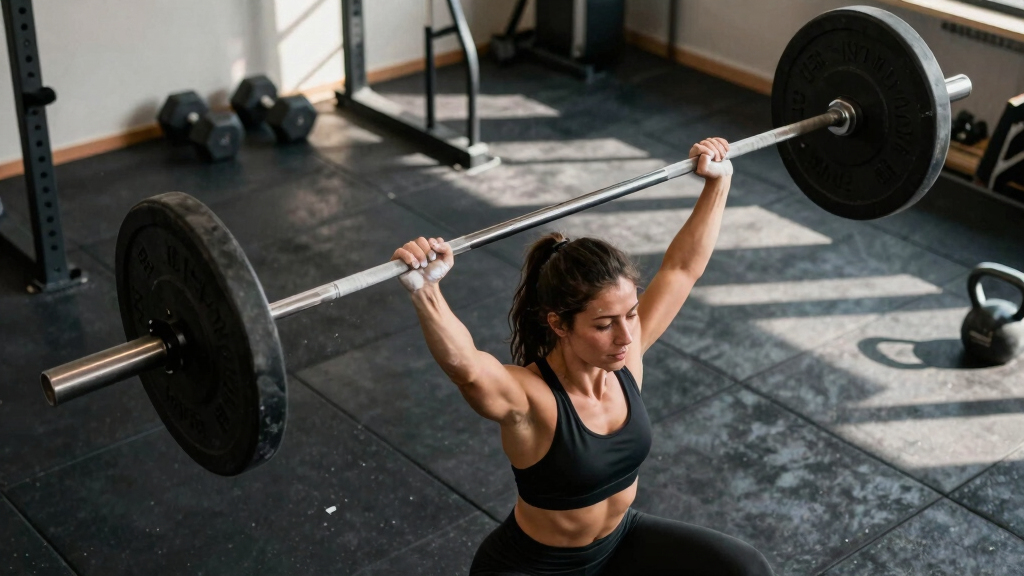
Your training style influences whether you get stronger or bigger. Strength routines often involve low reps and high weights—think 1-5 reps per set—maximizing neural gains. Hypertrophy routines use moderate reps, around 8-12, with more volume to stimulate muscle growth.
For example, a powerlifter might squat heavy for 3 reps, while a bodybuilder performs multiple sets of 10 to encourage muscle size. Combining both approaches can lead to a well-rounded physique that’s both strong and muscular.
Here’s a quick comparison:
| Focus | Reps | Goal |
|---|---|---|
| Strength | 1-5 | Maximize neural efficiency |
| Hypertrophy | 8-12 | Muscle size and shape |

LeeQinersw Arm Training Device for Men And Women: Hand Training, 360° Rotating Shoulder Training Machine to Strengthen Grip Strength, white
- Portable Design: Compact and easy to carry
- Multiple Training Modes: Grip, wrist, and arm muscle training
- Compact Size: Measures 8.7cm x 8.7cm x 10.8cm
As an affiliate, we earn on qualifying purchases.
As an affiliate, we earn on qualifying purchases.
Genetics and Muscle Look: Why Some Are Born for Bigger Gains
Genetics influence how your muscles grow and how strength translates to appearance. Some people have favorable muscle insertions and higher potential for hypertrophy, making them look more muscular with less effort.
For example, someone with longer muscle bellies might appear more muscular even if they lift less weight. Others may have dense muscles that feel firm but don’t look as bulky.
Understanding your genetic makeup helps set realistic expectations and guides your training focus.
Nutrition and Fat Loss: The Missing Link to a Muscular Look
Even if you lift heavy, your muscles won’t show if you carry excess fat. Cutting body fat reveals muscle definition and makes you look stronger. Conversely, gaining muscle without reducing fat can add weight but not improve appearance.
For example, a person who loses 10% body fat while maintaining strength will look noticeably more muscular and toned.
Nutrition isn’t just about calories—protein is key for muscle repair, while a slight caloric deficit helps reveal what you’ve built.
How to Balance Strength and Appearance: Practical Tips
- Mix your training: alternate heavy, low-rep days with higher-volume hypertrophy sessions.
- Prioritize nutrition: ensure enough protein, and consider slight caloric cuts to shed fat.
- Track progress: measure strength and body composition separately to see where to adjust.
- Be patient: muscle growth takes time, even if you’re already strong.
- Focus on quality: dense, well-trained muscles often look better than just big muscles.
Frequently Asked Questions
Why can I lift heavy but still look skinny?
Because your nervous system can efficiently activate your muscles without much hypertrophy. You’re strong, but your muscles are dense and not large enough to appear bulky.How long does it usually take to see visible muscle growth?
Most people notice changes after 6-8 weeks of consistent training with proper nutrition. Genetics, training style, and recovery all influence how quickly you see results.Should I prioritize lifting heavy or building muscle for a better physique?
It depends on your goal. For strength, focus on heavy, low-rep lifts. For size, incorporate higher volume and hypertrophy-focused routines. Combining both can give you a balanced, strong, and muscular physique.Can I get stronger without gaining size?
Yes, especially through neural adaptations. Many athletes improve their lifts significantly without much change in muscle size, relying on improved coordination and muscle activation.How important is diet for making my strength gains more visible?
Diet plays a key role. Adequate protein supports muscle repair and growth, while reducing body fat helps muscles stand out more. Nutrition is the bridge between strength and appearance.Conclusion
Remember: lifting heavy is about your nervous system learning to recruit muscles, not just building size. If you want a muscular look, focus on reducing body fat and training for hypertrophy, not just strength. Your body is capable of both—your job is to guide it with intentional choices.
Next time you lift heavy, think of it as sharpening a tool—strength is a valuable skill, but appearance depends on the finishing touches you add along the way.
Labor Day sales Picks
labor day deals
As an affiliate, we earn on qualifying purchases.