
TL;DR

Get workout gear delivered free with Prime
- Fast, free delivery on millions of items
- Prime Video, Amazon Music and more included
- Member-only deals all year
Progressive overload involves steadily increasing the stress on your muscles to promote growth. Applying it safely helps break plateaus and build strength over time. Consistency and smart adjustments are key.
Apply gradual increases in weight, reps, or intensity to avoid injury and promote steady progress.
Use the 10% rule to safely ramp up your workload each week.
Monitor your body for signs of overtraining—fatigue, joint pain, persistent soreness—and adjust accordingly.
Progressive overload works with bodyweight exercises by adding variations, slowing movements, or increasing volume.
Consistent overload, paired with proper nutrition and recovery, is the most reliable path to stronger, more muscular results.
Progressive Overload: The One Principle Behind Every Strong Body
Real strength is built by asking your body for a little more than it handled last time. Add weight, reps, sets, control, or difficulty gradually, then recover well enough to adapt.
Weekly workload ceiling for safer progression.
Weeks when many lifters notice early strength gains.
Training must become slightly more demanding over time.
Small jumps keep form and joints in the conversation.
Protein per kilogram supports repair and growth.
Stalled numbers suggest the stimulus needs changing.
Overload Is Not “Go Heavier Every Day”
It is a controlled increase in demand. The smartest lifters rotate several levers so the body keeps adapting without turning every session into a max-out test.
Add Load
Move from 100 pounds to 105 pounds when the target reps feel repeatable and clean. Small jumps compound beautifully.
Add Volume
Push 8 reps toward 10 or add one extra set. More quality work increases the total training signal.
Add Control
Slow the lowering phase, reduce rest, pause at hard positions, or improve technique to make the same load more effective.
The Adaptation Loop
Progressive overload works because challenge, recovery, and repetition form a chain. Break any link, and progress slows.
Stimulus
The workout asks for slightly more than last time.
Fatigue
Muscles and connective tissue register the demand.
Recovery
Sleep, food, and rest make rebuilding possible.
Adaptation
The body returns stronger and more prepared.
Repeat
The next small increase restarts the cycle.
Choose the Right Progression Tool
Different overload methods solve different training problems. Use the lightest change that keeps progress moving.
| Method | Best Use | Beginner Friendly | Injury Risk | Plateau Breaker |
|---|---|---|---|---|
| Increase weight | Strength and hypertrophy | ✓ with small jumps | ~ moderate | ✓ strong |
| Add reps | Skill, volume, muscle endurance | ✓ very approachable | ✓ lower | ✓ reliable |
| Reduce rest | Density and conditioning | ~ depends on form | ~ fatigue driven | ~ situational |
| Harder variation | Bodyweight progressions | ~ scale carefully | ~ technique dependent | ✓ excellent |
| Random max effort | Testing, not training | ✗ poor fit | ✗ higher | ✗ inconsistent |
The Safety Zone: Enough Stress, Not Too Much
The goal is productive strain. Too little challenge leads to plateaus; too much too fast leads to joint pain, burnout, and missed sessions.
Use the 10% Rule
Keep weekly workload increases modest. If you lift 100 pounds for 3 sets of 8, next week might be 105 pounds or a few added reps, not a dramatic leap.
Watch the Warning Lights
- Persistent soreness that does not improve with rest.
- Joint pain, sharp discomfort, or altered movement patterns.
- Fatigue for days, poor sleep, or falling performance.
- Loss of form when trying to force heavier loads.
Bodyweight Training Still Counts
You do not need barbells to overload. You need a clear path from easy to harder while preserving clean movement.
Push-Up Ladder
Standard push-up moves to paused push-up, decline push-up, deficit push-up, or one-arm progression. More tension, longer range, and harder leverage all count.
Squat Ladder
Bodyweight squat moves to slow tempo, higher reps, goblet loading, Bulgarian split squats, or paused reps at the bottom.
Quick Answers for Smarter Progress
When should intensity increase?
Every 1 to 2 weeks is a useful rhythm, but only when recovery, form, and performance support the increase.
How do plateaus break?
Change one variable: add resistance, add reps, switch variations, adjust volume, or slow the tempo.
What supports growth?
Protein, carbohydrates, hydration, and sleep provide the materials and conditions muscles need to rebuild.
What is the big takeaway?
Strength is not a magic trick. It is a sequence of small, consistent demands that your body learns to meet.
What Is Progressive Overload and Why Does It Matter?
Progressive overload is the process of gradually increasing the demands on your muscles during workouts. Think of it as turning up the volume on your favorite song—just enough to keep it interesting without overwhelming it. Without it, muscles adapt, and gains plateau. If you’ve ever hit a wall after a few months of lifting, it’s likely because your body isn’t being challenged enough anymore. According to an anonymous researcher, applying overload consistently is key to stimulating muscle growth and strength improvements.
Imagine lifting 50 pounds for 8 reps feels easy now. If you keep doing that, your muscles won’t get any stronger. But if you add a little weight or more reps, your body adapts by building new muscle fibers. That’s the core idea behind this principle.
adjustable dumbbells for progressive overload
As an affiliate, we earn on qualifying purchases.
As an affiliate, we earn on qualifying purchases.
3 Real Ways to Make Your Workouts Harder (Without Overdoing It)
Progressive overload isn’t just about lifting heavier. It’s about increasing the challenge in smart, manageable ways. Here are three concrete methods:
- Increase the weight: Add 2.5 to 5 pounds once your reps feel comfortable. For example, if you’re doing dumbbell curls at 15 pounds for 10 reps, bump it up to 17.5 or 20 when that feels easy.
- Do more reps or sets: If you’re stuck at 8 reps, aim for 10 or 12. Adding an extra set also cranks up the workload.
- Reduce rest time or improve technique: Shortening rest from 60 to 45 seconds keeps your muscles under tension longer. Alternatively, focus on perfecting your form—slower, controlled reps increase muscle engagement.
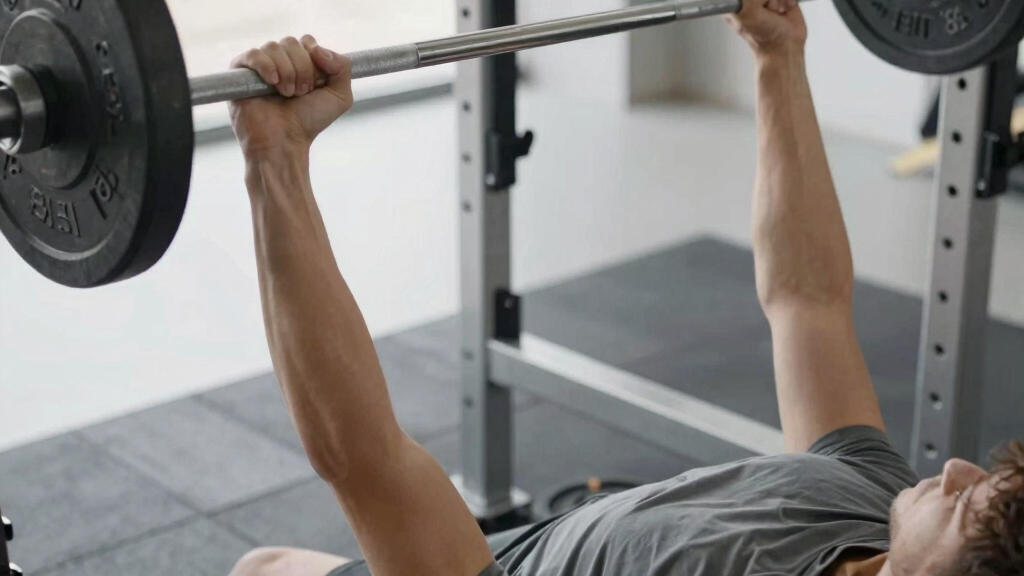
For example, if you’re bench pressing 100 pounds for 8 reps, once that becomes manageable, you might add a small weight increase or push for 10 reps. Small, steady steps keep progress safe and sustainable.
resistance bands with variable tension
As an affiliate, we earn on qualifying purchases.
As an affiliate, we earn on qualifying purchases.
Why Too Much Too Fast Can Backfire (And How to Avoid It)
Increasing overload too quickly can lead to injury or burnout. Think of it like trying to run a marathon without training—your body needs time to adapt. Signs you’re pushing too hard include excessive soreness, joint pain, or feeling drained for days. An anonymous researcher notes that gradual increases help your muscles and tendons strengthen together, reducing injury risk.
To avoid overloading, follow the 10% rule: don’t increase your total workload by more than 10% per week. This means if you lift 100 pounds for 3 sets of 8, next week try 105 pounds or 3 extra reps. Listen to your body—if you feel sharp pain or persistent fatigue, ease back.
As an affiliate, we earn on qualifying purchases.
Can You Use Progressive Overload With Bodyweight Exercises?
Absolutely. Progressive overload works just as well with bodyweight moves because you can challenge yourself in multiple ways. For example, if push-ups become easy, try decline push-ups with your feet elevated or add a pause at the bottom for greater tension. Similarly, squats can be made harder by adding reps, slowing down the movement, or holding a weight plate.
Imagine doing 20 standard push-ups. Once they feel effortless, you might switch to one-arm push-ups or add a slow, controlled tempo. The key is to find ways to make each exercise more demanding without losing form.
As an affiliate, we earn on qualifying purchases.
How Do You Know When You’ve Hit a Plateau and Need to Change?
Hitting a plateau means your progress stalls despite consistent effort. You might notice lifting the same weight feels easier, or your gains have stopped for several weeks. An anonymous researcher points out that plateaus happen when your muscles no longer face enough challenge.
To break through, try one or more of these:
- Increase resistance or reps
- Change your exercise variations
- Adjust your training volume or intensity
- Focus on improving technique or tempo
For example, switching from regular squats to Bulgarian split squats can shock your muscles into new growth. Tracking your progress helps you spot stagnation early.
How Nutrition Supports Your Overload Goals
Progressive overload isn’t just about lifting more; your muscles need fuel to recover and grow. Protein intake, around 0.8 to 1.2 grams per kilogram of body weight, supports muscle repair. Carbohydrates replenish glycogen stores, giving you energy for tougher workouts. Hydration and sleep also matter—without them, your progress stalls.
Picture finishing a tough workout, muscles feeling pumped but sore. Proper nutrition helps your body repair those tiny tears, making you stronger for next time. Think of your diet as the foundation that keeps your overload strategy solid.
Frequently Asked Questions
How do I safely increase the weight without risking injury?
Start with small increments—2.5 to 5 pounds—and focus on proper form. Listen to your body and avoid rushing the process. Giving your muscles time to adapt reduces injury risk.How often should I increase my workout intensity?
Aim for about every 1 to 2 weeks, depending on your progress and recovery. Use the 10% rule as a guideline—don’t push too hard too fast.What are the signs I’m overloading too much?
Persistent soreness, joint pain, fatigue, or a drop in performance are signals. If these happen, ease back and focus on recovery.Can I apply progressive overload to bodyweight exercises?
Yes. You can make moves harder by increasing reps, slowing down the tempo, or adding variations like elevated feet or one-arm versions.How long before I see results from progressive overload?
Results vary, but many people notice strength gains within 4-6 weeks of consistent, gradual increases. Patience and consistency are key.Conclusion
Remember: the secret to a stronger body isn’t about magic or quick fixes. It’s about steady, smart increases—making your muscles work just a little harder each time. That’s what builds real strength, resilience, and size. Keep challenging yourself, stay safe, and watch your progress grow.Columbus Day / Indigenous Peoples' Day Picks
long weekend sales
As an affiliate, we earn on qualifying purchases.