
TL;DR

Get workout gear delivered free — and shop member deals
- Fast, free delivery on millions of items
- Access to Prime Big Deal Days deals on October 6–7
- Prime Video, Amazon Music and more included
Slowing down your tempo helps you focus better, reduce stress, and perform more precisely. Research shows deliberate pacing enhances mental clarity, physical strength, and satisfaction in daily life.
In a world obsessed with speed, the idea of slowing down often feels counterintuitive. But what if the secret to better results isn’t pushing harder, but moving more deliberately? This guide reveals how dialing back your pace can lead to sharper focus, stronger muscles, and calmer mind states. You’ll learn why modern science and everyday examples show that slowing down isn’t a sign of weakness—it’s a pathway to mastery and well-being.
Whether you’re lifting weights, tackling tasks at work, or just trying to enjoy life’s small moments, understanding the power of tempo can change how you approach everything. Ready to discover why less haste equals more speed in the right direction?
Slowing down in exercise increases muscle engagement and reduces injury risk.
Deliberate pacing enhances focus, decision-making, and emotional regulation.
Small daily habits, like mindful breathing or timed pauses, make slowing down sustainable.
Research shows a 25% reduction in speed can significantly improve mental and physical outcomes.
Slowing down isn’t about losing efficiency—it’s about gaining mastery and presence.
The Beginner’s Guide to Tempo: Why Slowing Down Speeds Results
TL;DR: Slowing down your tempo helps you focus better, reduce stress, and perform more precisely. Deliberate pacing turns movement, work, and daily routines into higher-quality practice.
Reduce speed by 25% and you create space for stronger muscles, clearer thinking, and calmer decisions.
Tempo is the speed of attention.
Tempo is the pace at which you perform an activity: a lift, a thought, an email, a walk, or a meal. Moving faster is not automatically better. A slower tempo gives your body and mind time to notice form, detail, emotion, and context.
More control, less momentum
Slow reps force muscles to do the work instead of letting inertia carry the movement. That improves form, strength, and injury resistance.
Better decisions, fewer errors
Deliberate pacing creates a mental buffer before replying, choosing, or shipping. The result is less rework and more thoughtful output.
More presence, lower stress
Small pauses during breathing, eating, walking, or stretching make the nervous system feel less rushed and more regulated.
How slowing down speeds results.
The practical magic is not slowness for its own sake. It is feedback. When you slow down, you can sense what is happening, adjust earlier, and build better patterns.
Pause
Interrupt autopilot with a breath, count, or deliberate setup.
Notice
Catch form, tension, assumptions, or emotional charge sooner.
Control
Remove momentum and make each action more intentional.
Refine
Adjust technique, wording, pacing, or priority in real time.
Compound
Cleaner reps and clearer choices create faster long-term progress.
The gains come from precision.
A slower tempo may feel less efficient at first, but it often produces better outcomes because the quality of each repetition, decision, and reset rises.
Where tempo helps most
Research-backed claims cluster around focus, muscle engagement, emotional regulation, and injury prevention.
The useful slow zone
A 25% reduction in speed is enough to create breathing room without turning the task into a crawl.
Fast is not always efficient.
Tempo works best when you match speed to the job. Use urgency when it matters, but choose deliberation when quality, safety, and learning matter more.
| Context | Rushed Tempo | Deliberate Tempo | Best Signal |
|---|---|---|---|
| Strength Training | ✗ Momentum hides weak form | ✓ Slower reps increase engagement | Controlled 3-4 second reps |
| Email & Decisions | ✗ Details get skimmed | ✓ Responses become clearer | Pause before sending |
| Deep Work | ~ Feels productive, often fragments attention | ✓ Focus has time to deepen | Breaks every 20 minutes |
| Daily Routines | ~ Saves minutes, lowers presence | ✓ Builds calm and satisfaction | Mindful breathing or walking |
Five small ways to slow down.
You do not need a life overhaul. The beginner move is to add tiny pauses in places where rushing usually steals quality.
Take five breaths
Before a task, breathe slowly to center attention and reduce impulsive movement or reaction.
Time your reps
Use 3-4 seconds per movement to improve form, engagement, and strength quality.
Reset every 20 minutes
Short breaks reduce fatigue and help your focus return with cleaner energy.
Review before send
A few extra seconds can prevent errors, soften tone, and sharpen decisions.
Savor one routine
Eat, walk, stretch, or clean with full awareness to train presence in ordinary moments.
Choose quality first
Measure progress by fewer mistakes, better form, calmer focus, and less rework.
From less haste to better speed.
Tempo connects the body, brain, and behavior. The same principle shows up in lifting, mindfulness, work quality, and everyday satisfaction.
What exactly is tempo, and why does it matter?
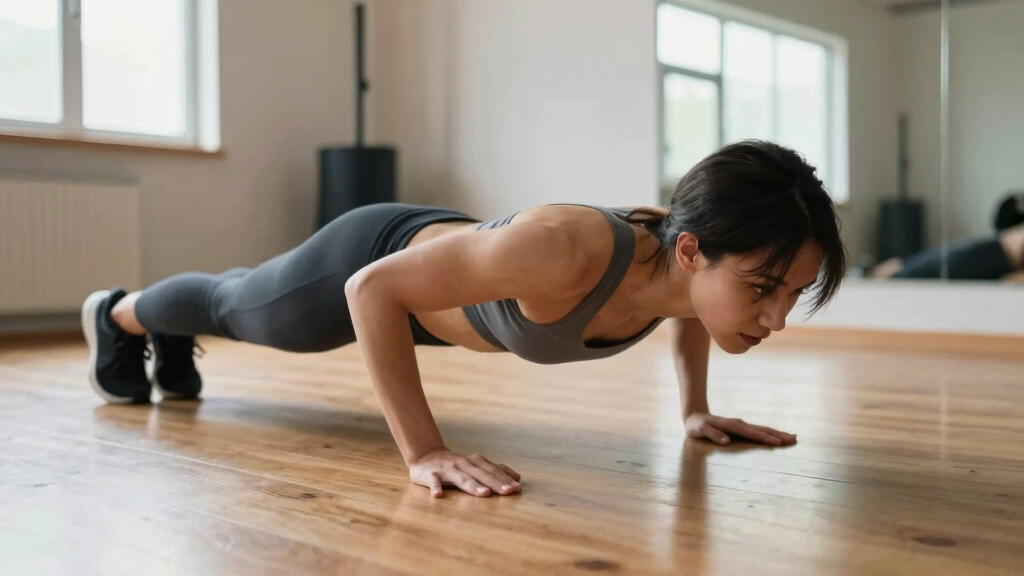
Tempo is simply the speed at which you perform an activity, whether in music, exercise, or daily tasks. In fitness, it’s how quickly or slowly you move through a lift or workout. For example, doing a squat with a 3-second descent and a 1-second rise creates a slower, more controlled tempo. This deliberate pace can boost muscle activation and reduce injury risk.
Understanding tempo is key because it shapes the quality of your movement. Moving faster isn’t always better—controlled, slower movements often lead to greater strength gains and better form. In daily routines, slowing down can mean taking time to focus fully on a task, instead of rushing through it. This mindful approach emphasizes precision over speed, which can prevent mistakes, reduce fatigue, and improve long-term results. The tradeoff is that slower tempo workouts or routines may take more time initially, but they often lead to more sustainable progress and fewer setbacks.
As an affiliate, we earn on qualifying purchases.
How slowing down improves your workouts and why it’s a game-changer
Slowing down your exercise tempo isn’t about losing intensity—it’s about gaining control and maximizing effectiveness. When you perform movements slowly and deliberately, you engage more muscle fibers and ensure proper form, which reduces the risk of injury and enhances muscle development. This approach also minimizes momentum, forcing your muscles to do the work rather than relying on inertia, leading to better strength gains over time.
Research shows that controlled, slow movements can increase muscle activation by up to 30%, which means you’re training more efficiently. The tradeoff is that workouts might feel more challenging initially, but the long-term benefits include improved strength, endurance, and injury prevention. For example, a slow, controlled bicep curl not only builds muscle more effectively but also trains your nervous system to better recruit muscle fibers, leading to more precise movements in daily life and sports.
In essence, slowing down transforms your workout from a hurried repetition to a mindful, effective session that emphasizes quality over quantity. This shift can lead to faster progress, fewer injuries, and a deeper connection to your movement patterns.
As an affiliate, we earn on qualifying purchases.
Why rushing through tasks kills your focus and how slowing down helps
Rushing through tasks often causes your brain to skim over details, leading to mistakes, overlooked information, and increased stress. When you move quickly, you sacrifice depth of focus and the opportunity for thorough understanding. Conversely, slowing down gives your mind space to process information more deeply, leading to better comprehension and decision-making. This deliberate pacing allows you to notice subtleties that might otherwise be missed, which is especially crucial in complex or high-stakes situations.
For example, a hurried worker may respond to emails without fully reading or considering the content, increasing the chance of errors or miscommunication. By slowing down even slightly—taking a few seconds to review or breathe—you create a mental buffer that enhances accuracy and thoughtfulness. Over time, this practice cultivates patience, reduces errors, and improves relationships because your responses are more considered and empathetic.
Psychological studies reinforce this; mindful pacing reduces anxiety and increases satisfaction because it fosters a sense of control and presence. The implication is that in a busy world, slowing down isn’t a sign of inefficiency—it’s a strategic way to enhance focus, quality, and emotional resilience. The tradeoff might be a slight reduction in speed, but the gains in effectiveness and well-being are substantial.
As an affiliate, we earn on qualifying purchases.
Simple ways to start slowing down today
Slowing down doesn’t require a big overhaul. Here are five easy steps to incorporate deliberate pacing into your life, with a focus on understanding why each step matters:
- Practice mindful breathing: Taking five deep, intentional breaths before starting any task helps center your attention and calm your nervous system. This pause creates a mental space that improves focus and reduces impulsiveness.
- Set a tempo for workouts: Use a timer or stopwatch to slow your reps, aiming for 3-4 seconds per movement. This deliberate pace ensures muscle engagement and form, leading to better gains and fewer injuries. The tradeoff is that workouts may take longer, but the quality and safety are worth it.
- Take regular breaks: Pausing for a minute every 20 minutes of work prevents mental fatigue and allows your brain to reset. This practice enhances sustained attention and reduces burnout, making your work more efficient over time.
- Prioritize quality over quantity: Focus on completing each task thoroughly rather than rushing to finish. This approach leads to better outcomes, less rework, and a deeper sense of accomplishment, even if it takes more time.
- Slow down daily routines: Engage in activities like eating, walking, or stretching with full awareness. Savor each moment by paying attention to textures, sounds, and sensations, which enhances enjoyment and mindfulness.
Imagine walking slowly through a park, feeling the texture of leaves and listening to birds. These mindful moments deepen your connection to your environment and reinforce the benefits of slowing down. The tradeoff is that you might initially feel less productive, but over time, these habits cultivate a more resilient, focused, and peaceful state of mind.
As an affiliate, we earn on qualifying purchases.
What science and real-life examples tell us about slowing down
Research demonstrates that reducing your pace by just 25% can significantly boost focus, muscle engagement, and emotional stability. For instance, studies in sports science reveal that athletes who train with controlled, slow movements experience faster strength gains, fewer injuries, and better technique. This is because slow movements allow for greater neural activation and precision, which are critical for long-term progress.
Neuroscientific research supports this as well; slowing down thoughts through mindfulness or breath control enhances cognitive clarity and emotional regulation. For example, mindfulness meditation, which emphasizes slow, deliberate attention, has been shown to increase gray matter density in brain regions associated with focus and emotional stability.
In everyday life, slowing down during stressful moments—such as pausing to take deep breaths—can lower cortisol levels, the hormone associated with stress. These examples illustrate that deliberate pacing isn’t just a fitness strategy but a comprehensive approach to improving mental and physical health. The tradeoff is that slower, more mindful actions may seem less efficient initially, but they often lead to more sustainable, high-quality results over time.
How to make slowing down your default in a busy world
It’s easy to get caught in the rush, but creating habits helps embed slowing down into your daily routine. Start by scheduling intentional pauses—set alarms, use timers, or create routines that remind you to slow down. These small, consistent actions help rewire your habits and reinforce the importance of deliberate pacing.
For example, in your workout, use a stopwatch to time each rep, ensuring you don’t rush and lose form. In work, take 30-second mindful pauses before jumping into tasks or meetings to reset your focus. Over time, these small adjustments become automatic, transforming your default response from haste to calm, focused action.
Remember, the goal isn’t to slow down everything all at once but to prioritize quality and presence. Embracing a slower pace can turn hectic moments into opportunities for mastery, reflection, and deeper engagement. The tradeoff here is that it may initially feel unnatural, but with consistent practice, slowing down becomes a powerful tool for sustained success and well-being.
Frequently Asked Questions
Why should I slow down in my daily routine or work?
Slowing down helps you focus better, reduces stress, and improves the quality of your work and interactions. It allows you to be more present and thoughtful, leading to better results and a calmer mind.
Is slowing down always better?
Not always. For quick reactions, speed matters. But for tasks requiring precision, creativity, or mindfulness, slowing down often yields better outcomes. It’s about finding balance based on the activity.
How can I incorporate slowing down into my busy life?
Start small: practice mindful breathing, set timers for deliberate pauses, and focus on doing each task with full attention. Over time, these habits make slowing down a natural part of your routine.
What are the benefits of slowing down in exercise?
Slower, controlled movements increase muscle activation, improve form, and lower injury risk. They also help build strength and endurance more effectively over time.
Is there scientific evidence supporting the benefits of slowing down?
Yes, studies in psychology, neuroscience, and sports science show that controlled pacing improves mental clarity, emotional stability, and physical performance. A modest reduction in pace often leads to big gains.
Conclusion
In a world that celebrates quick wins, choosing to slow down might be your most powerful move. It transforms routine actions into moments of mastery, awareness, and true strength. Remember, sometimes the fastest way forward is actually taking your time.
So next time you rush, pause. Feel the textures, breathe deeply, and move intentionally. That’s where real progress begins—one deliberate step at a time.
Evergreen bestsellers Picks
bestsellers
As an affiliate, we earn on qualifying purchases.