
TL;DR

Get workout gear delivered free with Prime
- Fast, free delivery on millions of items
- Prime Video, Amazon Music and more included
- Member-only deals all year
Prioritizing proper exercise form is more beneficial than lifting heavier weights. Good technique prevents injuries, activates muscles correctly, and ensures long-term progress, especially for beginners and seasoned lifters alike.
Many focus on adding more weight to the bar, thinking that’s progress. But lifting heavier isn’t always safer or smarter. Proper form matters more because it keeps you injury-free and helps you build strength that lasts.
Imagine someone attempting a deadlift with a rounded back. The weight might be impressive, but the real risk is tearing a muscle or injuring the spine. That’s why good technique is the true foundation of any effective workout.
Prioritize technique over weight to prevent injuries and build a solid foundation.
Lifting with poor form wastes effort and can cause chronic issues over time.
Use mirrors, videos, or coaching to improve your movement patterns.
Increase weight gradually only after mastering proper form at current loads.
Good form activates muscles correctly, leading to better strength and muscle gains.
Why Form Matters More Than the Weight on the Bar
Prioritizing proper exercise form is more beneficial than chasing heavier numbers. Good technique protects joints, activates the right muscles, and creates strength that lasts. A heavy deadlift with a rounded back may look impressive, but a clean hinge with control is the foundation that keeps progress moving.
Technique is not the warm-up act. It is the lift.
Master movement quality before adding load.
Increase weight only when control stays intact.
Distributes force across muscles, joints, and ligaments.
Slow, precise reps reveal true strength capacity.
Add weight after the pattern is stable and repeatable.
Mirrors, recordings, and coaching catch subtle errors.
Good form turns effort into usable strength.
Poor form often shifts work away from the target muscles and into vulnerable joints. Clean technique keeps the intended muscles doing the job, lowers injury risk, and lets progressive overload happen without turning every session into a gamble.
Protect joints before testing limits.
Neutral spine, stable knees, and controlled shoulders prevent force from collecting in places that cannot tolerate it for long.
Make the right muscles work.
Correct alignment reduces compensation, so squats hit thighs and glutes, bench presses hit chest, and hinges spare the lower back.
Build strength you can keep.
Gradual loading with consistent technique creates durable progress and lowers the odds of chronic setbacks like tendinitis or joint strain.
Master the lift before you chase the number.
Technique is a sequence: learn the pattern, confirm it under light load, get outside feedback, then progress carefully. The bar gets heavier only when the movement stays clean.
Start Light
Use body weight or lighter weights to build the correct movement pattern first.
Record Reps
Use video or mirrors to spot rounding, drifting knees, flared elbows, or rushed tempo.
Get Feedback
A coach or experienced lifter can catch details you miss while lifting.
Add Load
Increase weight only after the current load looks controlled from first rep to last.
Poor form wastes effort. Proper form compounds it.
The same exercise can either build resilient strength or reinforce risky movement. The difference is not the name of the lift. It is how the lift is performed.
| Lift Pattern | Poor Form | Risk Signal | Proper Form | Training Outcome |
|---|---|---|---|---|
| Deadlift | Rounded back under load | ✗ Spine and muscle strain risk | Neutral spine with hips hinging correctly | ✓ Stronger posterior chain |
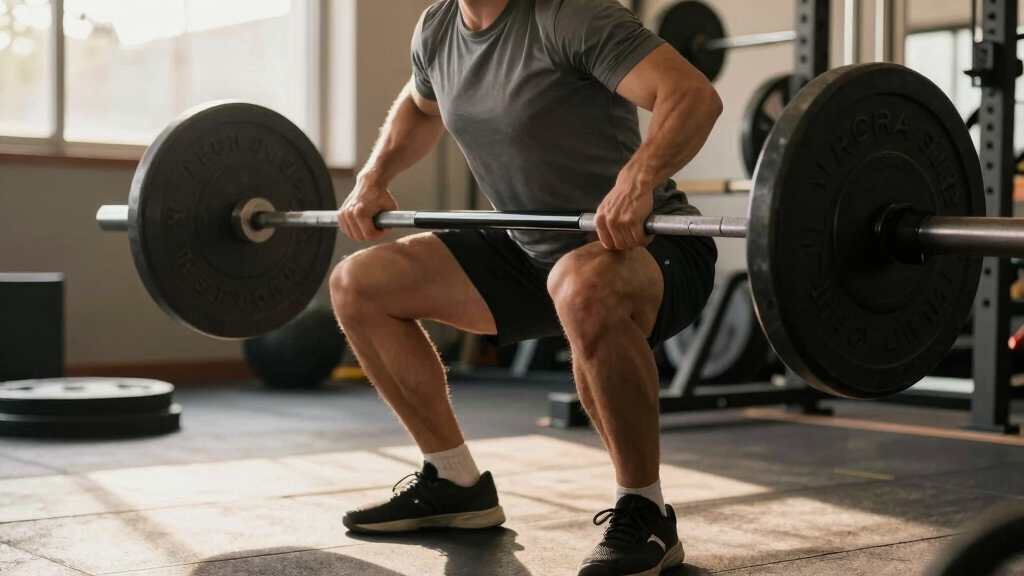
| Squat | Knees caving inward | ✗ Knee stress and unstable base | Knees tracking over toes with stable stance | ✓ Better leg and glute engagement |
| Bench Press | Elbows flaring and shoulders shrugging | ~ Shoulder irritation over time | Controlled press with elbows near 45 degrees | ✓ Stronger chest and safer shoulders |
| Overhead Press | Rib flare and lower-back arch | ~ Core leakage and back stress | Braced torso with smooth vertical path | ✓ Stable shoulders and trunk control |
Technique changes the risk-to-reward equation.
Research and coaching practice consistently point in the same direction: poor movement increases injury exposure and reduces training efficiency, while lighter loads with clean form improve long-term outcomes.
Common Form Fault Risk Index
When Should You Add Weight?
- Start light and make every rep look the same.
- Use video to confirm alignment from multiple angles.
- Improve mobility so joints can reach safe positions.
- Add weight gradually only when form stays solid.
Heavier is not always better.
A novice pressing 100 pounds with perfect control is making better long-term progress than pressing 150 pounds with flared elbows, shrugged shoulders, and unstable tempo. The first lift builds capacity. The second borrows from recovery.
Good form distributes load evenly across muscles, joints, and ligaments.
Clean movement recruits the intended muscles instead of compensation patterns.
Progressive overload works best when technique remains repeatable.
Fewer aches and setbacks mean more consistent training across months and years.
How form becomes long-term strength.
The path is simple: better positions create better activation, better activation creates cleaner overload, and cleaner overload creates stronger training without unnecessary downtime.
Quick answers for safer lifting.
The core principle stays the same for beginners and seasoned lifters: earn heavier loads with better movement, not the other way around.
Can I lift heavy without perfect form?
Lifting heavy with poor form increases injury risk and can slow progress. Use lighter weights until the pattern is controlled.
How do I improve my technique?
Record your lifts, use mirrors, ask for coaching, slow down your reps, and practice with loads you can control.
Which lifts demand the most attention?
Compound lifts like squats, deadlifts, bench presses, and overhead presses require especially consistent alignment.
When should I increase weight?
Increase load only after you can complete your reps with stable joints, controlled tempo, and the intended muscles doing the work.
Why Good Form Is Your Best Injury Shield
Proper form is your first line of defense against injuries. When you lift with correct technique, you distribute weight evenly across muscles, joints, and ligaments. For example, in a squat, keeping your knees aligned and back straight prevents tears or strains.
On the other hand, sloppy form—like letting knees cave inward or rounding your back—places extra stress where it shouldn’t go. Over time, this can cause tendinitis, hernias, or worse. The implications are serious: repeated poor form can lead to chronic pain or permanent damage, which often sidelines your progress for months or years.
Think of it like a building: a solid foundation keeps everything stable. The same applies to your body—good form anchors your strength gains securely and ensures that your efforts translate into real, sustainable improvements without risking your health.
body mirror for workout form correction
As an affiliate, we earn on qualifying purchases.
As an affiliate, we earn on qualifying purchases.
How Poor Form Sabotages Your Progress
When your technique falters, your muscles don’t work efficiently. Instead of targeting the intended muscles, your body compensates with secondary muscles or improper movement patterns. This compensation not only reduces the effectiveness of your workout but also increases the risk of injury. For example, during a bench press, if your shoulders shrug or elbows flare out, you’re not only missing out on optimal chest engagement but also stressing your shoulder joints, which can lead to rotator cuff injuries over time.
This inefficiency results in slower progress because your muscles aren’t being stimulated properly. It also puts you at higher risk for overuse injuries—like tendinitis or joint strain—that develop gradually but can cause setbacks or long-term damage. Conversely, focusing on perfect form—even with lighter weights—ensures you activate the right muscles, build a balanced physique, and lay a stronger foundation for lifting heavier safely in the future.
Here’s a quick comparison:
| Poor Form | Proper Form |
|---|---|
| Rounded back during deadlift | Neutral spine, hips hinge correctly |
| Knees caving in during squat | Knees tracking over toes, stable stance |
| Elbows flaring during bench | Elbows at about 45°, controlled movement |
Prioritize technique over heavier weight for sustainable progress. Remember, sacrificing form for heavier loads might give short-term ego boosts but often results in setbacks, injuries, and longer recovery times that delay your overall gains.
fitness coaching videos for proper lifting technique
As an affiliate, we earn on qualifying purchases.
As an affiliate, we earn on qualifying purchases.
3 Simple Steps to Master Your Technique
- Start with light weights or just your body weight. Focus on movement quality first, because mastering the correct pattern creates a muscle memory that makes heavier lifts safer and more effective over time.
- Use mirrors or record yourself. Watching your lifts helps identify subtle deviations from proper form that are easy to overlook during training, ensuring you’re not ingraining bad habits.
- Seek feedback from a coach or experienced lifter. Small adjustments based on expert eyes can correct ingrained errors, prevent injuries, and optimize your technique for maximum strength gains.
Progressively increase weight only after your form is solid at the current level. Think of it like learning to ride a bike—you don’t start on a mountain trail. Building a strong, safe foundation is essential for long-term success and avoiding setbacks caused by injury or poor technique.
weightlifting technique training aids
As an affiliate, we earn on qualifying purchases.
As an affiliate, we earn on qualifying purchases.
Why Lifting Heavier Isn’t Always Better
According to recent studies, lifting heavier with poor form can cause injuries and stall progress. It’s better to lift lighter with perfect technique than to chase numbers at the expense of safety. Pushing too hard without proper form can lead to acute injuries like muscle tears or chronic issues such as joint degeneration, which may take months or years to recover from and can permanently impair your lifting capacity.
For example, a novice lifter might bench press 100 pounds with perfect control, versus 150 pounds with sloppy form. The safer, more effective choice is clear because training with good form ensures consistent progress without setbacks. Over time, the cumulative effect of maintaining proper technique results in stronger, more resilient muscles and joints, reducing the likelihood of injury and enabling sustainable growth.
Remember: gradual progression paired with good form leads to steady gains and a healthier, injury-free lifting experience that lasts a lifetime.
adjustable dumbbell set for beginners
As an affiliate, we earn on qualifying purchases.
As an affiliate, we earn on qualifying purchases.
What Happens When You Focus on Form
When you prioritize form, your muscles activate correctly, and your joints stay healthy. You’ll notice better control, more confidence, and fewer aches after workouts. Proper form also ensures that each movement recruits the intended muscles, leading to more efficient workouts and better muscle development over time.
Imagine a person doing a squat with a flat back and knees tracking properly. They feel the muscles in their thighs and glutes working, instead of straining their lower back or knees. This proper activation not only prevents immediate discomfort but also trains your neuromuscular system to engage muscles correctly in future lifts. Over time, this results in a more balanced, resilient body capable of lifting heavier safely and with greater longevity.
In essence, focusing on form transforms your training from a risky gamble into a precise, effective process that builds strength while safeguarding your health for years to come.
Quick Tips to Keep Your Technique Sharp
- Start light and master the movement before adding weight. This helps develop proper motor patterns that are crucial for safe and effective lifting.
- Use mirrors or record your lifts to check your form. Visual feedback makes it easier to spot and correct deviations in real-time.
- Stretch and improve mobility to facilitate better technique. Flexibility and joint health are fundamental for maintaining proper alignment during lifts.
- Ask for coaching or feedback from experienced lifters. External eyes can detect subtle errors that you might miss, preventing bad habits from forming.
- Focus on slow, controlled reps rather than rushing through sets. This enhances neuromuscular connection and ensures each lift is performed with precision.
Think of each lift as a conversation with your body: listen carefully, and don’t rush to lift more until you understand the language of good form. Developing this awareness now sets the stage for safer, more effective progress in the long run.
Frequently Asked Questions
Can I lift heavy without perfect form?
Lifting heavy without proper form increases injury risk and can hinder your progress. It’s smarter to lift lighter with good technique before adding more weight.
How do I know if my form is correct?
Use mirrors, record your lifts, and seek feedback from experienced trainers or coaches. Focus on slow, controlled reps to build awareness of your movement patterns.
What are the most common form mistakes?
Common errors include rounding the back during deadlifts, knees caving inward during squats, and flaring elbows during bench presses. Correcting these can prevent injuries and improve results.
When should I increase weight?
Only increase weight once you can maintain perfect or near-perfect form at your current level. Focus on control and stability first.
Are some exercises more important for form than others?
Yes. Compound lifts like squats, deadlifts, and bench presses demand the highest attention to form because they involve multiple joints and muscles. Prioritize mastering technique on these first.
Conclusion
Focusing on form isn’t about being cautious—it’s about being smart. Your body will thank you with fewer injuries, better progress, and a longer, healthier lifting life.
Remember, weight on the bar is just one part of the puzzle. Technique is the foundation that keeps everything in place. Lift wisely, and the gains will follow.
Fall Picks
fall essentials
As an affiliate, we earn on qualifying purchases.