
TL;DR

Get workout gear delivered free with Prime
- Fast, free delivery on millions of items
- Prime Video, Amazon Music and more included
- Member-only deals all year
Functional fitness improves your ability to perform daily tasks safely and efficiently. It focuses on practical movements, core stability, and personalized progress, making it relevant for everyone from seniors to athletes.
Forget the buzzwords. Functional fitness is simply about making your body better at handling everyday life. Whether it’s lifting groceries, bending to pick up your kid, or reaching for something on a high shelf, this type of exercise aims to improve those movements.
In this guide, you’ll learn what functional fitness really is — no hype, no jargon — along with practical tips to start applying it today. Spoiler: it’s about real movement, safety, and making your body work better for YOU.
Functional fitness trains your body for real-world tasks, making daily movements easier and safer.
It emphasizes multi-joint, compound exercises that mimic everyday activities like lifting or reaching.
Incorporating technology and innovative tools can enhance your training, but safety and proper form are essential.
Everyone can benefit, from seniors to athletes; routines should be personalized and gradually progressed.
Start simple, focus on quality over quantity, and think about what movements matter most to your life.
What “Functional Fitness” Actually Means
TL;DR: Functional fitness improves your ability to perform daily tasks safely and efficiently. It trains practical movement patterns, core stability, balance, and gradual progress so your body handles real life better.
Train for life
Squat, hinge, push, pull, carry, reach, rotate, and balance with more control.
All ages
From seniors protecting independence to athletes sharpening movement efficiency.
Better movement patterns reduce strain before daily tasks become daily problems.
It is simpler than the gym poster makes it sound.
Functional fitness means choosing exercises that carry over to everyday activities: sitting down, lifting groceries, reaching overhead, carrying bags, twisting, balancing, and getting back up again.
Not isolated muscle theater.
Instead of training one muscle in one fixed machine path, functional work links multiple joints and muscle groups together. A squat resembles sitting and standing. A deadlift pattern resembles picking up a box. A carry resembles walking with groceries.
Daily task
Lifting, bending, reaching, rotating, balancing, carrying.
Training pattern
Compound moves that resemble the task without unnecessary complexity.
Control
Core stability and clean technique keep the movement efficient.
Carryover
Everyday movement becomes smoother, safer, and less draining.
The five things functional fitness actually trains.
Good functional training is specific, progressive, and personal. The point is not to look impressive during the workout; it is to move better outside the workout.
Real-life simulation
Exercises mimic bending, lifting, twisting, reaching, stepping, and carrying so training transfers to daily chores.
Core stability
A strong center helps you balance, brace, rotate, and move with control instead of compensating.
Progressive overload
Difficulty increases slowly through weight, range, repetitions, tempo, or coordination demands.
Personalization
The best plan reflects your body, goals, health history, skill level, and daily movement demands.
Injury prevention
Better mechanics and balanced strength reduce strain from awkward or unexpected movement.
Practical carryover spectrum
Traditional weight training vs. functional fitness.
Neither approach is automatically better. Traditional lifting is useful for strength and muscle. Functional fitness is useful when the main target is practical movement, balance, mobility, and safer daily performance.
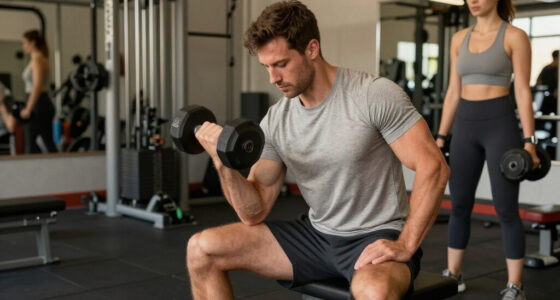
| Aspect | Traditional weight training | Functional fitness | Daily-life carryover |
|---|---|---|---|
| Primary focus | Isolated muscles, aesthetics, strength targets | Everyday movement and efficiency | ✓ Strong |
| Movement style | Often single-joint or machine-based | Multi-joint, compound, real-life mimicry | ✓ Strong |
| Main goals | Muscle size, strength, endurance | Mobility, balance, control, injury reduction | ✓ Strong |
| Common examples | Bench press, bicep curl, leg extension | Squats, hinges, carries, reaches, balance drills | ~ Depends on form |
| Biggest risk | Chasing load without movement quality | Chasing complexity before basics | ✗ Poor when rushed |
Common mistake: making it too complicated.
Functional fitness is not a contest to balance on the strangest object while holding the heaviest weight. If a move does not match your current skill, body, or real-life goal, it is just noise.
- Master the basic pattern before adding load.
- Stop when pain changes your form.
- Choose movements that match your actual life.
Quality beats quantity.
A clean bodyweight squat can be more functional than a heavy lift done badly. Better movement first; intensity second.
- Move slowly enough to notice control.
- Use equipment suited to your skill level.
- Progress by small, repeatable steps.
Tech can help, but it is not the point.
Wearables, apps, virtual trainers, kettlebells, TRX-style suspension trainers, and stability tools can improve feedback and motivation. The tradeoff: devices should support body awareness, not replace it.
Wearables and apps
Track movement, workload, heart rate, recovery, and consistency so progression becomes easier to manage.
Hybrid routines
Functional moves now mix with HIIT, yoga, Pilates, and mobility work for broader strength and control.
Aging-focused programs
Senior-friendly routines emphasize balance, fall prevention, getting up safely, and maintaining daily confidence.
A practical routine in three simple steps.
Begin with the movements that matter most to your life. Then build a foundation, progress gradually, and keep the work boring enough to repeat safely.
Identify your daily goals
Pick the tasks you want to improve: lifting boxes, reaching high shelves, balancing on uneven ground, standing from a chair, or carrying bags.
Pick basic moves
Start with squats, lunges, push-ups, hinges, rows, carries, and balance drills. Prioritize control, range, and clean technique.
Progress gradually
Add weight, repetitions, tempo, range, or complexity only after the current version feels stable and repeatable.
The rule that keeps this useful.
If an exercise makes real life easier, safer, and more controlled, it belongs. If it only looks impressive online, question it.
Master basic movements before adding complexity, speed, or load.
Good technique prevents strain and makes every repetition more useful.
Do not push through sharp pain, unusual fatigue, or loss of control.
Scale exercises for your age, health status, mobility, and goals.
Traceability: from daily life to training choice.
Groceries
Carries train grip, posture, bracing, and walking stability.
Boxes
Hip hinges and squats train safer lifting from the floor.
Chairs
Squats and step-ups support standing, sitting, and stairs.
Twisting
Rotational control helps with jars, doors, and turning tasks.
Balance
Single-leg drills and controlled stepping reduce fall risk.
What Is Functional Fitness? It’s Simpler Than You Think
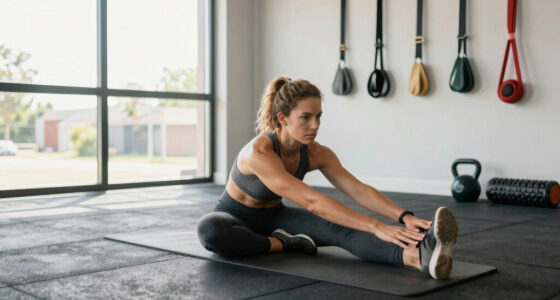
Functional fitness means exercises designed to help you perform everyday activities more easily and safely. Think of movements like squatting to sit down, reaching overhead without strain, or twisting to open a jar.
Instead of focusing on isolated muscles, it combines multiple muscle groups working together. Imagine lifting a heavy box from the ground, then placing it on a shelf — your workout should prepare you for that kind of task.
For example, a simple move like a bodyweight squat mimics sitting down or picking something up. That’s functional fitness in action.
functional fitness training equipment
As an affiliate, we earn on qualifying purchases.
As an affiliate, we earn on qualifying purchases.
The 5 Key Things Functional Fitness Focuses On
- Real-Life Movement Simulation: Exercises mimic daily tasks like bending, lifting, or reaching. This focus ensures that your training translates directly into improved ability to handle daily chores, reducing the risk of injury from awkward or unexpected movements.
- Core Stability: A strong center helps you balance and move with control. Without a stable core, even simple tasks can become risky or inefficient, especially as you age or recover from injury.
- Progressive Overload: Gradually making moves harder to build strength safely. This approach prevents plateaus and overtraining, ensuring continual improvement while minimizing injury risk.
- Personalization: Tailoring workouts so they fit your needs and limits. Recognizing that everyone’s body and daily demands are different helps create sustainable routines that truly benefit you.
- Injury Prevention: Improving movement patterns reduces strain and risk of injury. By focusing on proper technique and functional movements, you can avoid common injuries associated with poor biomechanics or overuse.
As an affiliate, we earn on qualifying purchases.
How Modern Tech and Trends Are Shaping Functional Fitness
Today, functional fitness blends old-school moves with new tech. Wearable devices track your movement and help refine your form. Apps and virtual trainers give instant feedback, making workouts smarter.
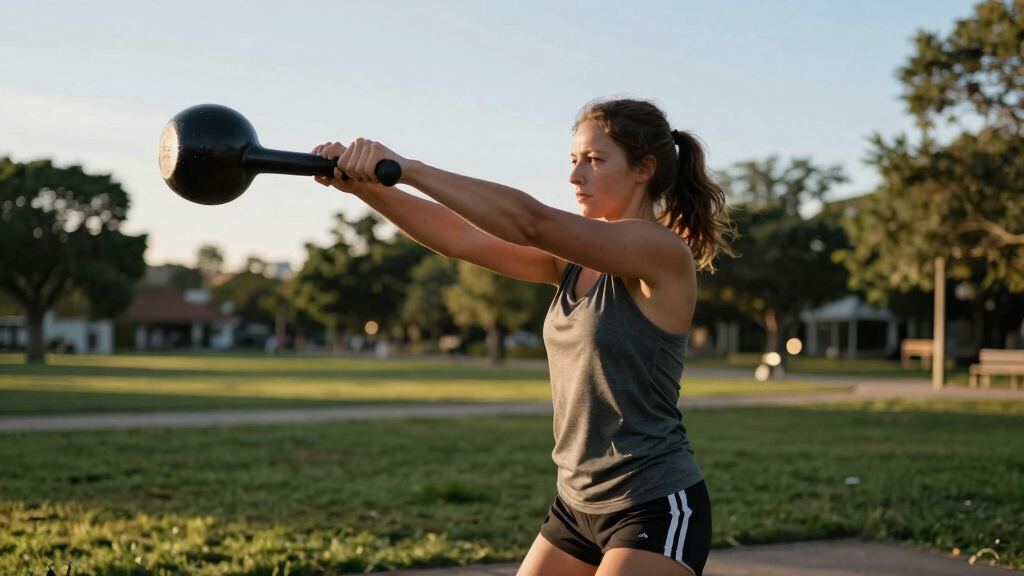
Hybrid routines that mix functional moves with high-intensity intervals or yoga are gaining popularity. For example, a kettlebell swing combined with a balance challenge can boost strength and stability at once.
Recent focus also targets older adults, with programs designed to keep independence and prevent falls. Innovative tools like suspension trainers (like TRX) and stability balls are common in gyms and home workouts alike.
Utilizing technology not only enhances motivation but also ensures proper form and progression, which are crucial for safety and effectiveness. The tradeoff is that reliance on devices might sometimes distract from listening to your body’s signals, so balance is key.
As an affiliate, we earn on qualifying purchases.
The Truth About Who Can Benefit From Functional Fitness
Functional fitness is for everyone. It’s suitable for young athletes, busy parents, seniors, or anyone recovering from injury. Its adaptable nature means you can modify exercises to match your fitness level and health needs.
Understanding this broad applicability is important because it emphasizes that improving everyday movement isn’t just for athletes or the young. It can help seniors maintain independence and reduce fall risk, or assist injured individuals in regaining mobility without risking further harm.
Research confirms it’s effective across age groups, helping improve mobility, strength, and confidence in everyday tasks. The key is tailoring routines appropriately to maximize safety and benefits for each person’s unique circumstances.
As an affiliate, we earn on qualifying purchases.
Are You Doing Functional Fitness Wrong? Common Mistakes to Avoid
Many people think functional fitness is just about doing complicated moves or heavy lifting. Not true. It’s about quality, safety, and relevance.
Common pitfalls include neglecting proper form, jumping into exercises that are too advanced, or ignoring individual limits. For example, attempting a heavy deadlift without mastering basic core stability can cause injury. Overlooking the importance of progression can lead to overtraining or burnout, diminishing benefits and risking injury.
Start simple, focus on technique, and listen to your body. When in doubt, consulting a trainer can help you avoid harmful mistakes and build a safe routine. Remember, rushing progress can undermine safety and long-term gains.
Starting Your Practical Functional Fitness Routine in 3 Easy Steps
- Identify Your Daily Movement Goals: Think about what tasks you want to improve — lifting boxes, reaching high shelves, or balancing on uneven surfaces. Clearly defining these goals helps tailor your workouts to meet real needs, making your efforts more relevant and motivating.
- Pick Basic Moves: Incorporate exercises like squats, lunges, push-ups, and balance drills. Focus on proper form and control. Building a solid foundation ensures that your movements are safe and effective, reducing the risk of injury and maximizing gains.
- Progress Gradually: Increase difficulty by adding weights, reps, or complexity. For example, move from bodyweight squats to goblet squats with a kettlebell. This slow progression allows your body to adapt, preventing overexertion and injury while encouraging continuous improvement.
Comparison: Traditional Gym Workouts vs. Functional Fitness
| Aspect | Traditional Weight Training | Functional Fitness |
|---|---|---|
| Focus | Isolated muscles, aesthetics | Everyday movements and efficiency |
| Movements | Single joint, machine-based | Multi-joint, compound, real-life mimicry |
| Goals | Muscle size, strength, endurance | Mobility, balance, injury reduction |
| Example Exercises | Bench press, bicep curl | Squats, lifts, reaching, balance drills |
Key Safety Tips When Doing Functional Exercises
- Start slow: Master basic moves before adding complexity or weight.
- Focus on form: Proper technique prevents injuries and maximizes benefits.
- Listen to your body: Avoid pushing through pain or fatigue.
- Use appropriate equipment: Use weights, mats, or tools suited to your skill level.
Frequently Asked Questions
Is functional fitness better than traditional weight training?
It depends on your goals. Functional fitness improves your ability to perform daily tasks, while traditional weight training may focus more on muscle size or strength. Both have their place, and combining them can be very effective.Can I do functional fitness at home?
Absolutely. Many exercises require little to no equipment, like squats, lunges, or balance drills. Just focus on proper form and start with simple movements.How often should I do functional workouts?
Most people find 2-3 sessions per week effective. Adjust frequency based on your schedule, fitness level, and how your body responds.Is it safe for seniors or those with health issues?
Yes, when exercises are adapted to individual needs and performed with proper supervision or guidance. Always consult a healthcare professional before starting new routines.What are some good beginner exercises?
Start with bodyweight squats, lunges, push-ups, and balance drills. Focus on slow, controlled movements and proper technique.Conclusion
Functional fitness isn’t about trendy exercises or fancy equipment. It’s about making your body better equipped for life’s everyday demands. Focus on simple, safe movements that mirror what you do daily — and you’ll build strength, stability, and confidence.
Remember, it’s about progress, not perfection. Your body is designed to move — treat it like an asset, and it will serve you well for years to come.
Fall Picks
fall essentials
As an affiliate, we earn on qualifying purchases.