TL;DR

Get workout gear delivered free with Prime
- Fast, free delivery on millions of items
- Prime Video, Amazon Music and more included
- Member-only deals all year
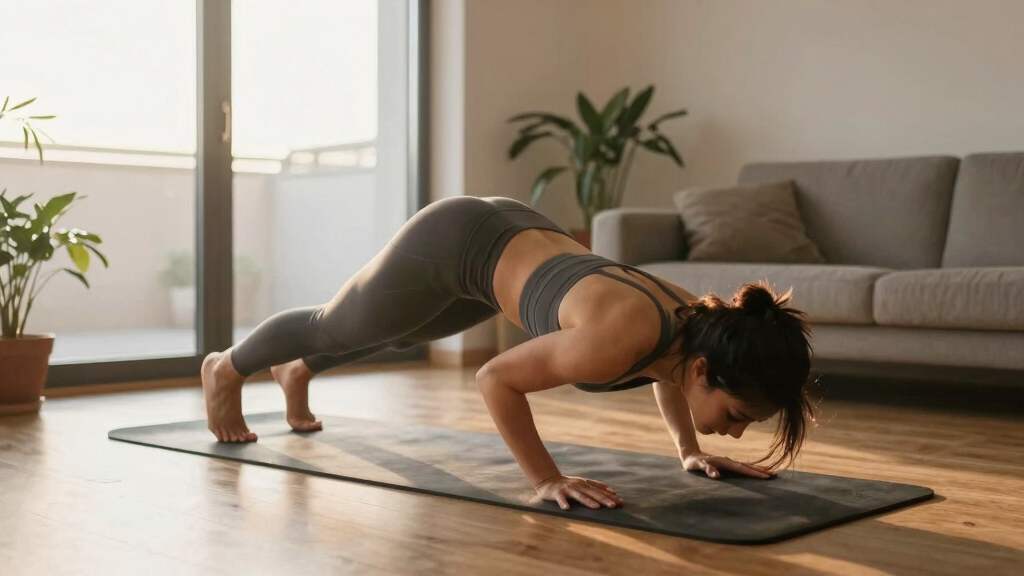
You can get fit at home using just your body weight. Short, intense workouts like HIIT and consistent routines can improve strength and endurance without any gear. Follow a structured plan for best results.
Imagine transforming your living room into a personal gym—no equipment, no fuss. It’s easier than you think to stay active without fancy gear or gym memberships. Whether you’re pressed for time, short on space, or just prefer privacy, a workout routine using only your body can keep you moving and feeling strong.
This guide lays out a real, practical plan for working out at home with zero equipment. You’ll learn how to structure your sessions, progress safely, and stay motivated—all tailored to your busy life and beginner level. Ready to get started? Let’s go.
Bodyweight exercises can match gym benefits with consistent effort and proper progression.
Designing a workout in 3 steps—select exercises, create a balanced cycle, and set progression—keeps routines simple and effective.
Progressive overload, like adding reps or changing variations, is essential for continuous improvement without equipment.
Mixing HIIT, strength, and core work prevents boredom and boosts overall fitness.
Safety, motivation, and tracking are key to building a sustainable, enjoyable home workout habit.
Working Out at Home With Zero Equipment: A Real Plan
You can get fit at home using only body weight. Short, intense sessions can build strength, endurance, flexibility, and consistency without gear, gym fees, or a perfect schedule.
Minutes can be enough when the workout is structured, focused, and repeated consistently.
Train most weeks with recovery days built in so the habit strengthens instead of burning out.
Pick moves. Build a cycle. Progress one small notch at a time.
No machines, weights, bands, or memberships required.
Push-ups, squats, lunges, planks, burpees, mountain climbers.
Work for 30 seconds, rest for 15 seconds, then repeat.
Warm up, train, cool down, then track what improved.
Why It Works
Bodyweight training is accessible because the load is already built in. Your leverage, tempo, range of motion, and rest periods become the tools for strength, cardio, mobility, and control.
Compound movement
Push-ups, squats, lunges, and planks recruit multiple muscle groups, so short sessions still produce a full-body stimulus.
Intervals raise output
HIIT and Tabata formats keep the heart rate high, making 10-30 minute workouts useful for cardiovascular fitness.
Easy to adapt
Beginners can reduce range or reps, while advanced exercisers can add pauses, jumps, single-leg work, or slower tempo.
Pick exercises
Choose foundational moves that cover upper body, lower body, core, and cardio.
Create a cycle
Use warm-up, main rounds, and cool-down so every workout has a clear beginning and end.
Set progression
Add reps, rounds, time, range, tempo, or harder variations when the current level feels controlled.
Progress Without Gear
The workout gets harder by changing the demand on your body: longer work periods, shorter rests, tougher variations, cleaner technique, and more total volume.
Intensity Scale
Start where form is solid. Move the marker only when you can complete every rep without pain, rushed movement, or collapsing posture.
The rule: harder, not sloppier.
Decline push-ups, jump squats, side planks, paused reps, and 45-second intervals all increase intensity. The tradeoff is higher strain, so progress slowly and keep alignment clean.
Workout Types
Mixing styles keeps the routine fresh while targeting different goals. Use HIIT for conditioning, strength circuits for muscle, and core balance work for stability and daily movement.
| Workout Type | What It Does | Example | Beginner Fit | Intensity |
|---|---|---|---|---|
| HIIT | Burns fat fast, improves cardiovascular health, boosts endurance. | 20 seconds burpees, 10 seconds rest, repeat for 4 minutes. | ~ modify | ✓ high |
| Tabata | Uses intense short bursts to maximize calorie burn. | 20 seconds mountain climbers, 10 seconds rest, 8 rounds. | ~ short | ✓ high |
| Bodyweight Strength | Builds muscle, tone, and movement control. | Push-ups, squats, lunges, planks. | ✓ strong | ~ scalable |
| Core & Balance | Enhances stability, posture, and everyday movement. | Side planks, bird-dogs, single-leg balance drills. | ✓ ideal | ~ moderate |
Simple 3-day rhythm
- Monday: 15-minute HIIT session.
- Wednesday: strength circuit with 3 rounds.
- Friday: core, balance, and mobility work.
Form comes first
- Warm up with light jogging in place or arm circles.
- Use a mirror or record your form.
- Stop if pain appears, and keep rest days in the plan.
Make It Stick
Motivation becomes easier when the routine is visible, measurable, and small enough to repeat on busy days. Track the proof that you are getting stronger.
Clear a small floor area and remove friction.
Use intervals so the session has structure.
Train full-body patterns with control.
Log reps, rounds, holds, or effort level.
Build consistency before chasing intensity.
Why Zero Equipment Workouts Work for Everyone
Bodyweight exercises are accessibly effective. They require no gear, no gym, and little space. Think push-ups, squats, lunges, planks, and burpees. These moves target multiple muscle groups and boost your overall fitness.
For example, a simple 15-minute routine with jumping jacks, push-ups, and squats can raise your heart rate, strengthen muscles, and improve flexibility. Plus, they adapt easily—add more reps or switch to harder variations as you grow stronger.
Research from Easy Fitness Results shows that consistent bodyweight workouts can match the benefits of gym routines, especially when performed in short, high-intensity sessions.
As an affiliate, we earn on qualifying purchases.
Design Your Perfect No-Equipment Workout Routine in 3 Easy Steps
- Pick your exercises: Focus on foundational moves like push-ups, squats, lunges, planks, and mountain climbers.
- Create a balanced cycle: Include warm-up, main workout, and cool-down. For example, start with jumping jacks, then do 3 rounds of push-ups, squats, and planks, ending with stretching.
- Set your timing and progression: Use intervals—like 30 seconds work, 15 seconds rest—and increase repetitions or duration over time. For example, start with 3 rounds, then build to 5, or extend work time from 30 to 45 seconds.
Structuring your workout into these steps ensures you cover all essential aspects of fitness—warm-up to prepare your muscles, the main workout to challenge your strength and endurance, and cool-down to aid recovery. This approach also helps you avoid plateaus, as it encourages gradual increases in intensity. A balanced cycle prevents overtraining specific muscle groups and promotes overall development, which is especially important for beginners who might otherwise overuse certain muscles or develop poor habits. Over time, this method builds a sustainable routine that adapts to your progress, reducing the risk of injury and burnout.
As an affiliate, we earn on qualifying purchases.
How to Add Intensity and Progress Without Equipment
Progression is key. When exercises become easier, making them harder ensures continued gains and prevents plateaus. This is especially important with bodyweight workouts, where the challenge must come from variations and volume rather than external weights. For example:
- Push-ups: Shift to decline push-ups with feet elevated. This change increases the load on your upper body, stimulating muscle growth and improving strength. The tradeoff is that improper form can lead to shoulder or wrist strain, so maintaining proper alignment is crucial.
- Squats: Add jump squats for plyometric power. Explosive movements like jump squats develop fast-twitch muscles, enhancing power and agility, which translate into better performance in daily activities and sports. However, they also increase joint impact, so ensuring proper landing technique is essential to prevent injury.
- Planks: Try side planks or lift one leg. Variations challenge different core muscles, improving stability and preventing adaptation. This diversity helps avoid plateaus but requires focus on maintaining correct posture to avoid lower back or neck strain.
Using timed intervals or increasing reps also boosts intensity. For example, if you start with 30-second planks, try 45 seconds. If you do 10 push-ups, aim for 15 or add a pause at the bottom for challenge. These small adjustments are effective, but they also demand greater attention to form. Overemphasizing speed or volume without proper technique can lead to injuries or poor movement patterns. The key is to find a balance—gradually increasing difficulty while maintaining good form to ensure sustainable progress and injury prevention.
By gradually upping the ante, you’ll challenge your muscles and cardiovascular system, even without weights or machines. This method leverages your body’s adaptability, making each session more effective and ensuring consistent progress without additional equipment. The tradeoff is that progression requires mindfulness and patience, but the payoff is a stronger, more resilient body.
As an affiliate, we earn on qualifying purchases.
The Best Types of Workouts for Zero Equipment Success
| Workout Type | What It Does | Example |
|---|---|---|
| HIIT | Burns fat fast, improves cardiovascular health, boosts endurance | 20 seconds burpees, 10 seconds rest, repeat for 4 minutes |
| Tabata | Intense, short bursts to maximize calorie burn | 20 seconds mountain climbers, 10 seconds rest, 8 rounds |
| Bodyweight strength | Build muscle and tone | Push-ups, squats, lunges, planks |
| Core & Balance | Enhance stability, posture, daily movement | Side planks, bird-dogs, single-leg balance drills |
Mixing these types keeps your routine fresh and effective. For example, doing a 15-minute HIIT session on Monday, a strength circuit on Wednesday, and core work on Friday ensures all-around development. Incorporating variety prevents boredom and overuse injuries, and it helps target different muscle groups for a balanced physique. Understanding why different workout styles matter allows you to tailor your routine based on your goals—whether it’s fat loss, muscle building, or mobility improvement—making your fitness journey more intentional and effective.
As an affiliate, we earn on qualifying purchases.
Safety First: How to Exercise Without Injuring Yourself
Even with no equipment, safety matters. Always start with a gentle warm-up—think light jogging in place or arm circles. Focus on proper form, especially during push-ups and squats, to avoid strain or injury.
Use a mirror or record yourself. If something hurts or feels wrong, stop. Remember, your body’s signals come first. And don’t forget: rest days are just as important as workout days. Overtraining can lead to fatigue, decreased performance, and injury risk. Listening to your body and allowing adequate recovery helps your muscles repair and adapt, leading to better results. Incorporating proper warm-up and cool-down routines prevents injury and enhances flexibility, while paying attention to your body’s feedback ensures you avoid pushing beyond safe limits.
According to an anonymous researcher, paying attention to proper technique reduces injury risk by over 50% in bodyweight training.
How to Stay Motivated and Make It Stick
Without the gym buzz, staying motivated can be tricky. Set clear goals, like completing three workouts a week or mastering a new move. Tracking your progress with a journal or app not only shows your improvements but also reinforces your commitment. Recognizing small wins keeps your momentum high and makes the process rewarding.
Join online challenges or social media groups. Sharing your wins and setbacks creates accountability and community support, which are powerful motivators. Varying your workouts is also crucial—swap push-ups for wall push-ups or try new interval timers—to prevent boredom and stimulate different muscle groups. Establishing a routine and celebrating milestones transforms exercise from a chore into a habit. Remember, consistency is more important than intensity; even short, daily routines can produce significant long-term benefits when maintained regularly.
Frequently Asked Questions
Can I really build muscle without weights?
Yes. Focus on slow, controlled reps and increase repetitions or difficulty over time. Variations like one-arm push-ups or pistol squats challenge your muscles just as weights do.How often should I work out at home without equipment?
Aim for 3 to 5 sessions per week. Balance workout days with rest or active recovery to avoid burnout and promote progress.What are the best beginner exercises for zero equipment?
Start with push-ups, squats, lunges, planks, and jumping jacks. These target major muscle groups and can be scaled up as you get stronger.How do I stay motivated without a gym environment?
Set clear goals, track your progress, join online communities, and vary your workouts. Celebrate small wins to keep energy high.Are there safety concerns with bodyweight workouts?
Always warm up, focus on proper form, and listen to your body. Rest if you feel pain or discomfort, and consider consulting a professional if unsure.Conclusion
Working out at home without equipment isn’t just a fallback—it’s a flexible, effective way to stay active and healthy. All you need is a little planning, a focus on progression, and the willingness to move.
So, grab your space, pick your moves, and start today. Your body will thank you—no gym required.
Fall Picks
fall essentials
As an affiliate, we earn on qualifying purchases.