TL;DR

Get workout gear delivered free with Prime
- Fast, free delivery on millions of items
- Prime Video, Amazon Music and more included
- Member-only deals all year
The push-pull-legs split separates workouts into three categories—push, pull, and legs—focusing on different muscle groups. It’s simple, adaptable, and great for balanced muscle development, fitting well into most schedules.
Ever wonder why so many people swear by the push-pull-legs split? It’s no surprise. This routine is all about simplicity and efficiency, giving your muscles what they need without overloading your schedule or your mind.
Whether you’re just starting or looking to fine-tune your gains, understanding this split can make your workouts clearer and more effective. No fluff, no hype—just a straightforward way to train smarter, not harder.
The push-pull-legs split divides training into three focused days—push, pull, and legs—making balanced muscle development straightforward.
It’s adaptable, fitting anywhere from 3 to 6 sessions weekly, ideal for both beginners and advanced lifters.
Prioritize compound movements like squats, bench presses, and deadlifts to maximize results.
Progressive overload—gradually increasing weight or reps—is key to continued gains.
Adjust volume and frequency carefully to avoid overtraining and injury.
The Push-Pull-Legs Split, Finally Explained Simply
The push-pull-legs split separates training into three focused categories: pushing muscles, pulling muscles, and legs. It is simple to plan, easy to adapt, and built for balanced muscle development without overloading your schedule.
Training each muscle group two to three times weekly is a practical target for growth and recovery.
Most PPL sessions fit inside a focused 45 to 90 minute window depending on volume.
Push, pull, and legs create the repeatable cycle that keeps every major muscle group covered.
The Split In One Glance
Instead of guessing which muscles to train, PPL groups movements by what your body is doing. Push muscles press weight away, pull muscles bring weight toward you, and legs handle the lower-body work.
Chest, shoulders, triceps
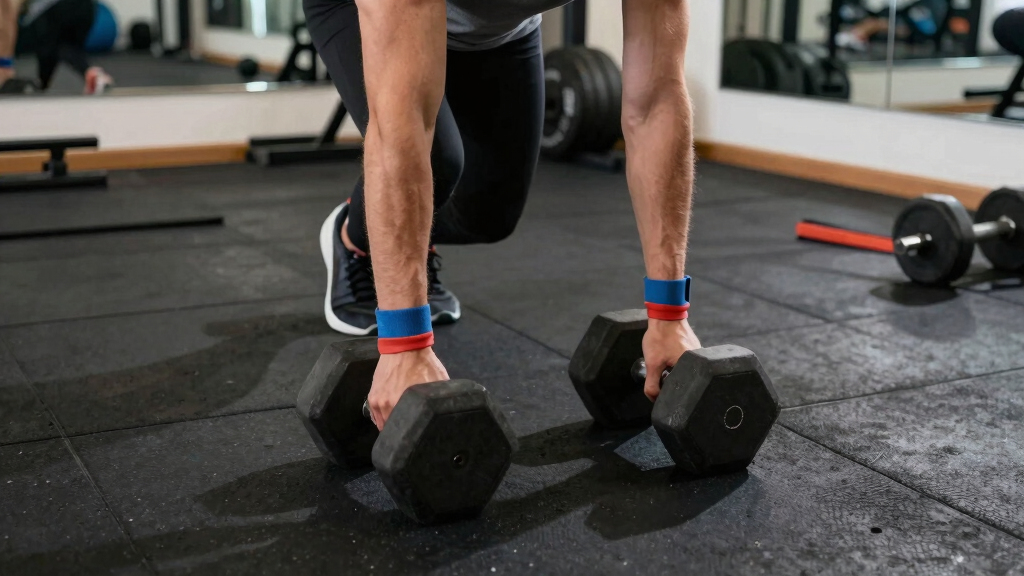
Bench presses, overhead presses, dips, and push-up variations sit here. The focus is pressing strength with supportive triceps work.
Back, rear delts, biceps
Rows, pull-ups, lat pulldowns, and curls build the muscles that pull, stabilize, and keep upper-body training balanced.
Quads, hamstrings, glutes, calves
Squats, Romanian deadlifts, lunges, and calf raises cover the base of the system so upper-body gains do not outrun your foundation.
How It Works In A Real Week
A beginner can run one clean cycle per week. Intermediate lifters can repeat the cycle, add rest days when needed, and keep each muscle group fresh enough to train hard again.
Pressing work for chest, shoulders, and triceps.
Rows, pull-ups, and curls for back and biceps.
Squats, hinges, lunges, calves, and core support.
Recovery, food, sleep, mobility, and adaptation.
Add a little weight, one rep, or cleaner form.
Frequency Dial
PPL Versus Other Routines
Push-pull-legs is not magic. Its advantage is clarity: enough volume to grow, enough frequency to practice, and enough structure to recover.
| Routine Type | Frequency | Muscle Focus | Best Fit | Growth Balance |
|---|---|---|---|---|
| Push-Pull-Legs | 3-6 days/week | All major muscle groups evenly | Intermediate lifters, flexible schedules, scalable goals | ✓ strong |
| Full Body | 2-3 days/week | Whole body each session | Beginners, busy weeks, simple habit building | ~ moderate |
| Bro Split | 5-6 days/week | One muscle group per day | Advanced bodybuilders with high specialization needs | ✗ less frequent |
Supersets
Pair compatible movements to increase density without making sessions sprawl.
Circuits
Blend conditioning and weights when time is tight or fat-loss is a priority.
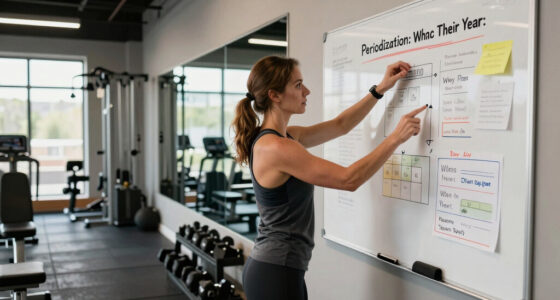
Periodization
Shift volume and intensity across weeks to avoid plateaus and burnout.
Tracking
Use apps or logs to watch reps, loads, soreness, sleep, and recovery trends.
Make Progress Without Breaking The System
The biggest mistake is adding too much too quickly. PPL works best when the plan stays boring enough to repeat and precise enough to improve.
Volume jumps that outpace recovery
Going from three sets to ten sets per exercise in one week is a fast route to sore joints, flat sessions, and stalled progress. Add work gradually and keep form sharp.
Build sessions around squats, presses, rows, pull-ups, hinges, and lunges.
Use curls, raises, extensions, and calves to fill gaps without stealing recovery.
Add a rep, a little load, a cleaner set, or better range of motion over time.
If soreness, fatigue, or performance drops linger, reduce volume and recover.
Trace The Training Logic
Quick Answers
Use these simple rules when choosing whether PPL fits your current schedule, training age, and recovery capacity.
Is PPL good for beginners?
Yes. Start with three days per week, learn the movement patterns, and scale only when recovery feels consistent.
How many days should I train?
Most people land between three and six days weekly. More days require better sleep, nutrition, and volume control.
Can I add cardio?
Yes. Add it after lifting or on rest days, but keep enough recovery room for your legs and heavy compound work.
Is it better than full body?
It depends. PPL gives more focused volume; full-body routines are excellent when time and recovery are limited.
What exactly is the push-pull-legs split?
The push-pull-legs (PPL) split is a workout routine that divides your training days into three categories: pushing movements, pulling movements, and leg exercises. Push days focus on chest, shoulders, and triceps—think bench presses and overhead presses. Pull days target your back and biceps, like rows and pull-ups. Leg days cover everything from squats to lunges.
Imagine a week where Monday is push, Wednesday is pull, Friday is legs. Repeat as often as your schedule allows. This structure keeps your muscles fresh, prevents overtraining, and makes planning easier.
adjustable dumbbell set for strength training
As an affiliate, we earn on qualifying purchases.
As an affiliate, we earn on qualifying purchases.
How does the push-pull-legs split actually work in real life?
Picture yourself doing a push workout: you might start with a bench press, then move to shoulder presses, and finish with dips. The next day, pull day, includes pull-ups, barbell rows, and bicep curls. Leg day might mean squats, Romanian deadlifts, and calf raises.
This cycle hits all your major muscle groups evenly, allowing you to train frequently without neglecting any area. For example, a typical beginner might do this routine 3 days a week, giving each muscle group 48 hours to recover before hitting it again.
resistance bands for muscle building
As an affiliate, we earn on qualifying purchases.
As an affiliate, we earn on qualifying purchases.
Push, pull, legs — what are the real benefits?
This split isn’t just easy to remember. It offers concrete benefits:
- Balanced development: You train all muscle groups evenly, reducing imbalances.
- Flexibility: You can adjust frequency—3, 4, even 6 days a week—based on your goals.
- Efficiency: Focused workouts mean less wasted time, more results.
- Progression: It’s easy to add weight or reps systematically, driving strength and size gains.
For example, someone training 4 days a week can do push, pull, legs, and a rest day, then repeat, maximizing muscle stimulation without burnout.
As an affiliate, we earn on qualifying purchases.
What are the latest twists on the push-pull-legs routine?
Trainers and enthusiasts keep tweaking the classic PPL to fit new trends. Some add supersets—pairing push and pull exercises back-to-back to boost intensity. Others include circuit training, mixing cardio and weights for a metabolic boost. Periodization, or planned shifts in volume and intensity, helps prevent plateaus and injury.
With apps and trackers, you can fine-tune your volume and reps for each session. Plus, emphasizing recovery and nutrition makes your gains more sustainable. Think of it as evolving your routine to stay fresh and motivated.
fitness tracker for workout monitoring
As an affiliate, we earn on qualifying purchases.
As an affiliate, we earn on qualifying purchases.
How to make the push-pull-legs split work for you
Follow these simple steps to tailor the PPL split to your schedule and goals:
- Choose your frequency: 3 days per week for beginners, up to 6 for advanced lifters.
- Pick your exercises: Prioritize compound lifts like bench presses, squats, and deadlifts. Add accessory work as needed.
- Plan your week: For example, Monday push, Wednesday pull, Friday legs. Rest days in between help recovery.
- Progress gradually: Add weight or reps every week. Keep form sharp to prevent injuries.
- Listen to your body: Rest if you’re sore or fatigued. Overtraining kills progress.
Push-pull-legs vs other routines: what’s the deal?
| Routine Type | Frequency | Muscle Focus | Suitability |
|---|---|---|---|
| Push-Pull-Legs | 3-6 days/week | All major muscle groups evenly | Intermediate to advanced, flexible |
| Full body | 2-3 days/week | Whole body each session | Beginners, busy schedules |
| Bro split | 5-6 days/week | One muscle group per day | Advanced bodybuilders |
Compared to full-body routines, PPL allows more volume per muscle group. Against bro splits, it offers more frequency and balance.
Avoid common pitfalls with push-pull-legs
The biggest mistake? Overloading volume too quickly. Your muscles need time to adapt. Jumping from 3 sets to 10 sets per exercise in a week can lead to injury or burnout. Also, neglecting recovery days or skipping warm-ups hampers progress.
Listen to your body, and don’t be afraid to scale back if you feel overly sore or fatigued. Rest and nutrition are your allies here.
Frequently Asked Questions
Is the push-pull-legs split good for beginners?
Absolutely. It’s straightforward, easy to follow, and promotes balanced growth. Beginners can start with 3 days a week and scale up as they get more comfortable.
How many days a week should I do the push-pull-legs routine?
Most people do it 3-6 days a week. Beginners often start with 3, while more advanced lifters might train 5 or even 6 days for maximum volume.
Can I combine push-pull-legs with cardio or other routines?
Yes. Many add cardio on rest days or after weight sessions. Just ensure you don’t overdo it—your muscles need recovery to grow.
What if I feel sore or exhausted? Should I skip a workout?
Listen to your body. Rest days are important. If soreness persists, take an extra day off or reduce volume. Recovery fuels progress.
Is the push-pull-legs split better than a full-body routine?
It depends on your goals. PPL offers more volume and frequency per muscle group, making it ideal for muscle building. Full-body routines are great for beginners or those with limited time.
Conclusion
The push-pull-legs split is a simple yet powerful way to structure your workouts. It balances workload, promotes recovery, and keeps your training fresh. Stick to the basics—focus on consistency, progress, and listening to your body—and you’ll see steady improvements.
Remember, no routine is magic. It’s your consistency and patience that turn workouts into real results. So, what’s stopping you? Grab your gear, plan your week, and start pushing—literally!
Halloween Picks
halloween
As an affiliate, we earn on qualifying purchases.