TL;DR

Get workout gear delivered free — and shop member deals
- Fast, free delivery on millions of items
- Access to Prime Big Deal Days deals on October 6–7
- Prime Video, Amazon Music and more included
You don’t need hours to stay fit. Short, high-intensity workouts combined with daily activity and good nutrition can help you maintain progress. Consistency matters more than length—focus on smart, regular moves.
Juggling a busy schedule can feel like trying to fit a marathon run into a sprint. Yet, even with limited time, you can keep making progress—no need to carve out hours every day. The secret is working smarter, not longer.
In this guide, you’ll learn how to squeeze effective workouts into your day, adapt to unpredictable schedules, and still stay on track with your fitness goals. It’s all about small, smart moves that add up over time.
Short, high-intensity workouts can be as effective as longer sessions if done consistently.
Planning and scheduling workouts like appointments boost adherence during busy days.
Incorporating movement into daily routines adds up and keeps you active.
Supporting your workouts with good nutrition and recovery prevents progress loss.
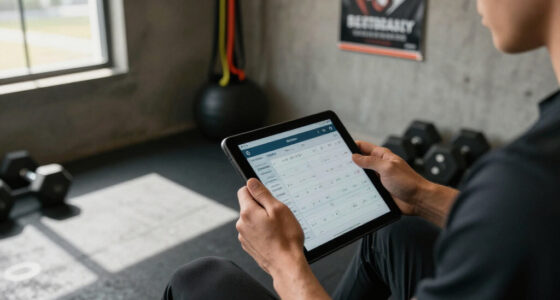
Using technology like apps and trackers can help maintain motivation and accountability.
How to Train Around a Busy Schedule Without Losing Progress
TL;DR: You do not need hours to stay fit. Short, high-intensity workouts, daily movement, smart scheduling, nutrition, and recovery can preserve momentum when life gets crowded.
Micro-sessions can maintain cardiovascular fitness and muscle engagement when performed consistently.
Focused circuits with compound moves can deliver strength, conditioning, and habit continuity.
Consistency beats session length when your calendar is the limiting factor.
Build around small sessions that compound.
Busy training works when each piece has a job: preserve strength, lift heart rate, reduce sedentary time, and make the next session easier to start.
Pick compound moves.
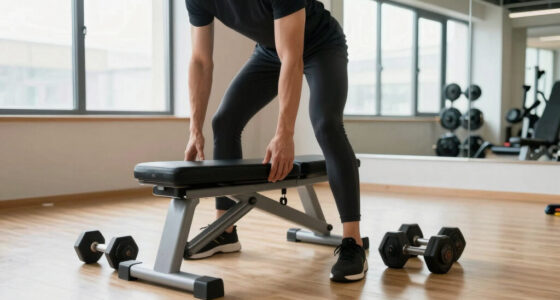
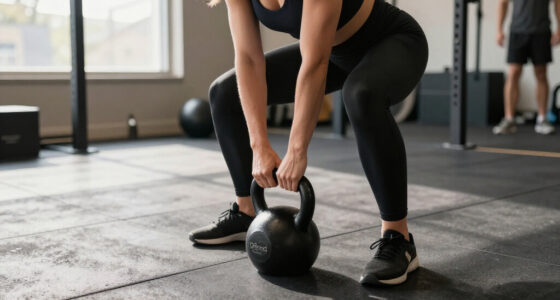
Use squats, push-ups, rows, hinges, lunges, jumping jacks, or carries. Two to three moves can cover multiple muscle groups quickly.
Schedule it like a meeting.
Block the workout, set a reminder, and give it a defined start. A ten-minute appointment is easier to protect than a vague plan.
Turn routine into volume.
Stairs, walks, active errands, standing calls, and mobility breaks keep activity high without requiring a full workout slot.
A compact training flow for unpredictable days.
Use this when the day is tight. Keep form clean, intensity honest, and the finish line visible.
Choose
Select two or three compound exercises that train upper body, lower body, and core.
Set
Use 20-30 seconds of work and 10-15 seconds of rest to keep the session moving.
Repeat
Cycle the moves for 10-15 minutes, aiming for controlled, full-range reps.
Recover
Cool down briefly, hydrate, and eat enough protein and carbs to support repair.
Log
Track the session so the habit remains visible, even when the workout was short.
Micro-workouts, longer sessions, and daily movement each solve a different problem.
The strongest plan blends them. Short bursts maintain momentum, longer sessions deepen training, and daily movement raises the floor.
| Training type | Typical duration | Best use | Progress value | Tradeoff |
|---|---|---|---|---|
| Micro-workouts | 5-10 minutes | ✓Hectic days, travel, lunch breaks | ✓Preserves routine and fitness signals | ~Needs variety and progression |
| HIIT or bodyweight circuit | 10-20 minutes | ✓Efficient cardio and strength blend | ✓High return for limited time | ~Requires focus and good form |
| Traditional session | 45-60 minutes | ✓Deep strength, skill, and conditioning | ✓Comprehensive training stimulus | ✗Harder to fit into packed days |
| Daily movement | Variable | ✓Stairs, walking, biking, breaks | ~Raises baseline activity | ~Lower intensity, slower gains alone |
How to spend limited training time.
When hours disappear, the goal is not perfection. It is a strong minimum: intensity, movement, nutrition, recovery, and accountability.
Busy-day impact stack
Effort spectrum
Place the session where your energy allows. Low-effort movement still counts; high-effort blocks create the biggest return when time is scarce.
Progress stays intact when recovery and planning do their share.
You cannot out-train poor sleep, low fuel, or a chaotic schedule. The hidden work makes the short workouts effective.
Daily activity moves
- 01Take stairs to add leg volume and raise daily energy expenditure.
- 02Walk or bike short errands when feasible to build low-friction cardio.
- 03Stretch during breaks to reduce stiffness from long sitting blocks.
- 04Move on calls with standing, pacing, calf raises, or quick mobility work.
Recovery multipliers
Supports muscle repair when training volume is compressed.
Replenish work capacity for intense short sessions.
Helps adaptation, hormones, and motivation stay stable.
The busy-person progress loop.
Each part reinforces the next: planning creates sessions, sessions create momentum, and recovery protects the gains.
Keep the standard simple enough to repeat.
The best plan is the one that survives real life. Use short training blocks, visible reminders, and a baseline of movement.
Short can work.
High-intensity sessions can preserve fitness when performed with consistency.
Plan first.
Calendar blocks, alarms, and realistic goals make training easier to keep.
Move often.
Stairs, walks, errands, and breaks turn a busy day into useful activity.
Recover hard.
Food, sleep, and tracking protect progress when workout time is limited.
Why Short Workouts Can Keep You on Track
Short, intense workouts are a powerhouse for busy lives. They punch above their weight by boosting your heart, building strength, and preserving muscle in just 10-20 minutes. Think of it like a quick, satisfying meal—filling enough to fuel your day.
For example, a 15-minute HIIT session can burn as many calories as a 45-minute jog, according to recent studies. This means you get maximum bang for your buck with less time.
Understanding why these brief sessions work is crucial. They push your cardiovascular system and muscles to adapt in a short window, which can lead to improved endurance and strength over time. The tradeoff is that these workouts demand high effort and focus, making them less suitable if you’re not prepared to push yourself intensely. However, the efficiency gained means you can achieve significant health benefits without lengthy commitments. This approach also helps prevent burnout and fits better into unpredictable schedules, allowing you to maintain consistency and see ongoing progress.
high-intensity interval training (HIIT) workout equipment
As an affiliate, we earn on qualifying purchases.
As an affiliate, we earn on qualifying purchases.
How to Fit High-Intensity Workouts Into Your Day
- Choose 2-3 exercises that hit multiple muscle groups—think squats, push-ups, jumping jacks. This maximizes calorie burn and muscle engagement in a short time.
- Set a timer for 20-30 seconds per move, with 10-15 seconds rest. Repeat for 10-15 minutes. This interval structure optimizes fat burning and cardiovascular benefits, as the high intensity challenges your body to adapt quickly. It’s important to maintain proper form during these bursts—sacrificing technique for speed can lead to injury and reduce effectiveness.
- Focus on quality over quantity. Keep movements controlled and full-range to activate muscles properly and prevent injury. This ensures that each movement contributes maximally to your fitness goals, especially when time is limited.
For instance, during a lunch break, you could do a quick circuit of bodyweight exercises, feeling the burn and hearing your heartbeat pick up. It’s possible to finish a full workout in less time than you’d spend scrolling social media. The key is consistency—regularly fitting these sessions into your day reinforces habits that lead to long-term gains and helps you maintain motivation despite a hectic schedule.
As an affiliate, we earn on qualifying purchases.
Compare Micro-Workouts, Traditional Sessions, and Daily Movement
| Workout Type | Typical Duration | Pros | Cons |
|---|---|---|---|
| Micro-Workouts | 5-10 mins | Highly flexible, quick, maintain progress | May require more planning to ensure variety and progression |
| Traditional Workouts | 45-60 mins | Deep focus, comprehensive coverage of fitness components | Hard to fit into daily schedule, risk of burnout |
| Daily Movement | Variable | Low effort, easy to sustain, promotes continual activity | Less intense, slower progress, requires consistency to see results |
Mixing these approaches allows flexibility. Short bursts can be used to maintain momentum when time is tight, longer sessions for deeper work, and daily movement ensures you stay active throughout the day. This layered approach balances effort and recovery, helping prevent overtraining and boredom while maximizing benefits.
fitness tracker for activity monitoring
As an affiliate, we earn on qualifying purchases.
As an affiliate, we earn on qualifying purchases.
How to Stay Consistent When Things Get Crazy
Consistency beats intensity. When days are packed, plan your workouts like appointments—this mental framing helps prioritize movement. Set alarms, put reminders in your phone, or block time on your calendar. Recognizing that even short, regular activities contribute significantly can motivate you to stick with your routine.
For example, if mornings are hectic, try a 10-minute stretch or bodyweight circuit during lunch or in the evening. Even a quick walk counts as activity if done regularly. The key is to develop a routine that feels manageable, so skipping becomes less tempting. Remember, missing one session isn’t a setback; the cumulative effect of regular activity is what truly matters. Building habits around your unpredictable schedule ensures that fitness remains a consistent part of your life, reducing the stress of trying to fit everything in at once.
As an affiliate, we earn on qualifying purchases.
How to Incorporate Activity Into Your Daily Routine
- Take stairs instead of elevators whenever possible. This simple change increases daily activity and strengthens leg muscles over time.
- Walk or bike to errands or work—if feasible. These options add moderate-intensity movement, which benefits cardiovascular health and burns calories without extra planning.
- Stretch and move during TV commercials or breaks. This keeps muscles flexible and prevents stiffness, especially during long periods of sitting.
- Stand up and do quick exercises during calls or meetings. Even 1-2 minutes of movement can break sedentary patterns and boost circulation.
Imagine turning your commute into a mini workout by biking or walking, or doing lunges during coffee breaks. These small acts, when done consistently, create a cumulative effect that enhances overall activity levels. They also foster a mindset of active living, reducing the mental barrier of ‘not enough time’ and making movement a natural part of daily routines.
Why Nutrition and Recovery Matter Just as Much
You can’t out-exercise a poor diet or lack of sleep. Supporting your workouts with balanced nutrition and enough rest helps preserve muscle, boost energy, and prevent burnout. Without proper recovery, your body can’t adapt to training stimuli, which diminishes progress and increases injury risk. Nutrition provides the building blocks for muscle repair and energy replenishment, especially important when workouts are brief but intense. Sleep facilitates hormonal balance and tissue recovery, enabling you to perform at your best each day. Neglecting these aspects can undermine your efforts, leading to plateaus or setbacks despite consistent training. Therefore, integrating good nutrition and recovery routines maximizes the benefits of your limited workout time and sustains your motivation over the long term.
How Technology Can Help You Stay on Track
Apps and gadgets make fitting in workouts easier. Use fitness trackers to monitor activity, set reminders, or challenge yourself with daily goals. These tools provide real-time feedback and accountability, which are vital when motivation wanes or schedules are unpredictable. Platforms like Nike Training Club or 7-Minute Workout offer quick routines tailored for busy lives, helping you stay consistent even on hectic days. A smartwatch can motivate you to hit step goals and remind you to move if you’ve been sedentary too long. Leveraging tech not only simplifies tracking progress but also gamifies your fitness journey, making it more engaging and less burdensome. This seamless integration helps you stay committed without adding extra planning or effort, turning your devices into personal trainers that support your health goals continuously.
Frequently Asked Questions
How can I stay consistent with workouts when I have a hectic schedule?
Schedule workouts like appointments, keep routines short and focused, and set reminders. Even 10-minute sessions can build momentum and keep you moving regularly.
What are the best types of exercises for limited time?
High-intensity interval training (HIIT), bodyweight circuits, and quick strength routines work best. They target multiple muscle groups and elevate your heart rate efficiently.
Can I maintain my progress with just 15-20 minutes a day?
Yes. Focused, high-efficiency workouts paired with good nutrition and sleep can help you sustain and even improve your fitness levels, despite limited time.
How do I prevent losing muscle mass if I can’t lift weights regularly?
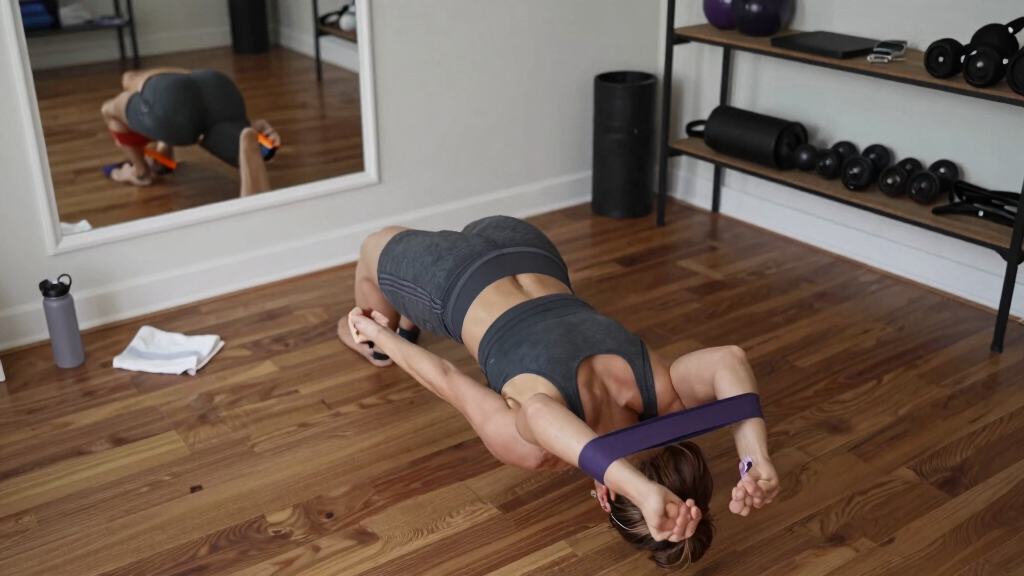
Use bodyweight exercises like push-ups, planks, and lunges, or resistance bands. Isometric holds also help preserve muscle strength.
What are some practical ways to add activity into a busy day?
Take stairs, walk during breaks, stretch during commercials, or do quick exercises while working at your desk. Small acts keep you moving without extra time commitment.
Conclusion
Even with a packed schedule, you can keep your fitness on track by focusing on efficiency and consistency. Small, intentional moves—like quick circuits or brisk walks—add up to real progress over time.
Think of your day as a series of mini workouts, each one pushing you closer to your goals. Your future self will thank you for the effort you make today—no matter how busy life gets.
Halloween Picks
halloween
As an affiliate, we earn on qualifying purchases.