
TL;DR

Get workout gear delivered free with Prime
- Fast, free delivery on millions of items
- Prime Video, Amazon Music and more included
- Member-only deals all year
Adding mobility exercises to your routine improves your joint movement and reduces injuries. Focus on dynamic, functional moves, integrate them into warm-ups or cool-downs, and stay consistent for best results.
Ever tried to squat or reach overhead, only to feel tightness or stiffness that slows you down? Mobility work isn’t just about flexibility; it’s about moving your joints through their full, natural range—smooth, pain-free, and controlled. When you blend mobility exercises into your training, you’re setting the stage for better performance and fewer injuries.
This guide breaks down how to add mobility work without overhauling your routine. You’ll learn which exercises to prioritize, when to do them, and how to make them stick. The goal? Move better, feel freer, and train smarter—no fancy gadgets required.
Mobility involves active control of joints and is more effective than passive stretching for functional movement.
Integrate mobility drills into warm-ups and cool-downs—just 5 to 15 minutes can boost your movement quality.
Focus on key areas like hips, shoulders, spine, and ankles that limit your performance or cause discomfort.
Track your progress with simple measurements to stay motivated and see steady improvements.
Consistency trumps intensity; regular, manageable mobility work leads to lasting benefits.
What’s the real difference between mobility and flexibility—and why does it matter?
Mobility is your ability to actively move a joint through its full range, involving muscles, tendons, and the joint itself. Flexibility is passive—how far you can stretch a muscle or joint without actively controlling the movement. Think of mobility as your joint’s active dance, while flexibility is the stretch you hold after a workout. Understanding this difference is key because improving mobility ensures you can move with control and strength, not just stretch passively.
For example, if your hips feel tight but you can’t actively lift your leg high without wobbling, your mobility is limited. Addressing this with targeted mobility exercises helps you move better during lifts, runs, or daily activities. This distinction matters because focusing solely on flexibility can lead to passive stretching that doesn’t translate into improved movement control, which is essential for injury prevention and athletic performance. Prioritizing mobility training ensures your joints are prepared for dynamic, real-world movements, reducing the likelihood of strains or imbalances.
mobility exercise resistance bands
As an affiliate, we earn on qualifying purchases.
As an affiliate, we earn on qualifying purchases.
How to seamlessly add mobility exercises into your warm-up and cool-down routines
- Start with dynamic movements like leg swings, arm circles, and hip circles to warm up your joints. These movements increase blood flow and prepare your tissues for activity, reducing injury risk.
- Spend 5-10 minutes doing mobility drills targeting key areas—hips, shoulders, spine, ankles—before your main workout. This targeted prep enhances your joint range, improves movement efficiency, and can even boost performance by activating muscles that will be used heavily.
- After training, switch to static or controlled mobility stretches to help relax muscles and restore joint range. This cool-down phase aids recovery, prevents stiffness, and maintains flexibility.
- On rest days, dedicate 10-15 minutes to deeper mobility work for long-term gains. This consistency helps correct imbalances, increase joint health, and supports ongoing progress.
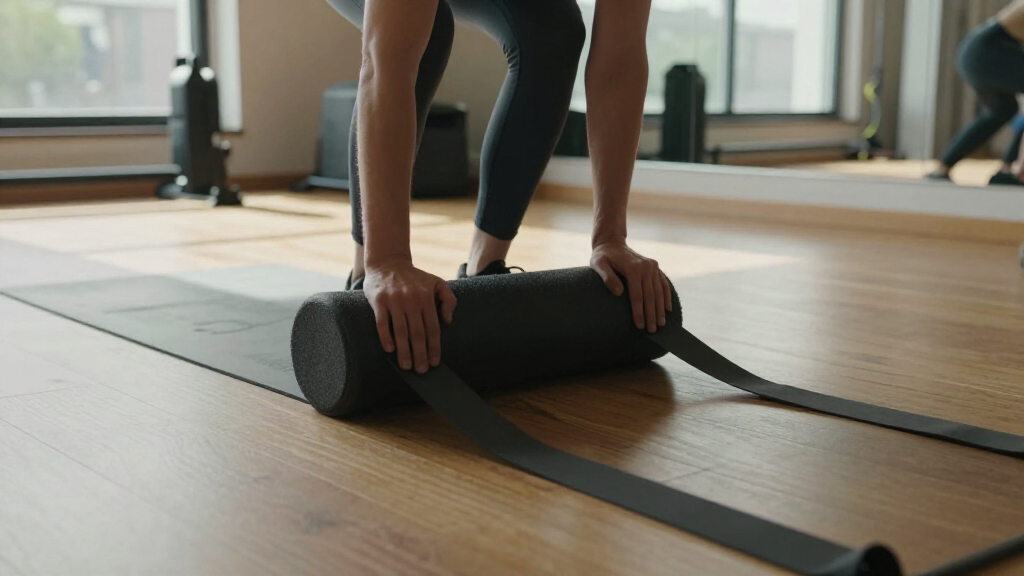
Imagine warming up your hips with leg swings; you feel the muscles loosen, the joints glide more smoothly. After your session, gentle stretches or foam rolling can help your body recover and stay flexible. Incorporating these routines consistently ensures your joints stay healthy and mobile, allowing for safer, more effective training over time.
As an affiliate, we earn on qualifying purchases.
Target the right areas to support your training goals
Focus on joints and muscles that limit your movement or are critical for your sport or activity. Common trouble spots include the hips, shoulders, thoracic spine, and ankles. Addressing these areas enhances your overall movement mechanics, reduces compensations, and minimizes wear and tear that can lead to injury over time. For example, tight hips can cause improper squat depth, leading to back strain, while limited shoulder mobility may hinder overhead lifts and increase shoulder injury risk. By prioritizing these areas, you’re not just increasing flexibility—you’re improving functional movement patterns, which translates into better performance and less pain during daily activities or sports.
Here’s a quick list of priority areas and typical exercises:
- Hips: Deep squats, hip circles, pigeon stretch — these help unlock tightness from prolonged sitting or repetitive movements, allowing more power and stability during lifts or running.
- Shoulders: Arm circles, doorway stretches, thoracic rotations — these improve overhead reaching and pressing, reducing the risk of impingement or shoulder strain.
- Spine: Cat-cow, seated twists, thoracic extensions — enhancing spinal mobility supports better posture and reduces compensatory movements that can cause pain or injury.
- Ankles: Dorsiflexion stretches, calf raises, ankle circles — these are vital for proper gait, jumping, and lifting, helping prevent ankle sprains and improve balance.
By systematically addressing these key areas, you’re not only enhancing your movement quality but also creating a more resilient body capable of handling increased loads and complex motions with less risk of injury.
As an affiliate, we earn on qualifying purchases.
A simple system to track your mobility progress
Consistency beats intensity when it comes to mobility. Use a straightforward chart to measure your range of motion weekly, which provides tangible evidence of your improvements and helps you stay motivated. For example, tracking how high your knee lifts during a squat or how far your shoulders reach during an overhead stretch shows your progress over time. These measurements reveal subtle gains that might go unnoticed otherwise, reinforcing your effort and guiding adjustments in your routine.
Here’s a quick example:
| Mobility Area | Initial Range | Goal Range | Progress Over 4 Weeks |
|---|---|---|---|
| Hip Flexion | 90° | 100° | 95°, 98°, 99°, 100° |
| Shoulder Reach | 150cm | 170cm | 155cm, 162cm, 168cm, 170cm |
Tracking progress isn’t just about numbers; it helps you identify which exercises are most effective, where you might need to focus more effort, and when your mobility is plateauing. Recognizing these patterns allows you to adapt your program proactively, ensuring continuous improvement and preventing stagnation.
As an affiliate, we earn on qualifying purchases.
The best mobility exercises for different parts of your body
Here’s a quick rundown of effective mobility moves for common problem zones:
- Hips: Deep squat holds, leg swings, hip openers — these exercises target tightness from sitting or repetitive motion, promoting better squat depth and hip stability.
- Shoulders: Arm circles, wall slides, thoracic rotations — these enhance overhead mobility, improve posture, and help prevent shoulder impingements.
- Spine: Cat-cow, seated twists, cobra stretches — these improve spinal flexibility, support better posture, and reduce back stiffness.
- Ankles: Dorsiflexion stretches, heel raises, ankle circles — these are crucial for proper gait mechanics, jumping, and lifting, reducing injury risk and enhancing balance.
For instance, a simple hip opener like the butterfly stretch can unlock stiffness from sitting all day, making squats feel smoother and safer. Regularly incorporating these targeted movements helps you maintain overall joint health and functional movement patterns essential for both everyday life and athletic pursuits.
Why static stretching isn’t enough for better mobility—and what to do instead
Static stretching can feel good but doesn’t improve joint control or movement quality. Static stretches are passive: you hold a position, like touching your toes, which relaxes muscles temporarily but doesn’t teach your joints to move actively. This passive approach can sometimes lead to overstretching or decreased muscle activation if done excessively, potentially compromising stability and increasing injury risk.
Instead, focus on dynamic and functional mobility exercises that mimic real movements—like lunges with torso twists or shoulder circles—helping your body learn how to move confidently through its full range. These active movements stimulate neuromuscular control, enhance proprioception, and prepare your joints for the demands of your training or daily life. This shift from passive stretching to active mobility not only improves your range but also reinforces proper movement patterns, making your body more resilient and capable of handling complex, multi-directional motions.
Research shows that dynamic mobility drills are more effective at enhancing active range of motion and preventing injuries, especially in athletes and active adults. By prioritizing active, controlled exercises, you develop not just flexibility but functional strength and coordination, which are crucial for long-term joint health and injury prevention.
How often should you add mobility work? Do you need fancy routines every day?
Most people benefit from doing mobility exercises several times a week, especially if they notice stiffness or limited movement. Even 5-10 minutes daily can make a significant difference by maintaining joint health, improving range, and preventing stiffness. The key is consistency—regular, manageable sessions are more effective than sporadic, lengthy routines that may lead to burnout or neglect.
Simple movements like arm circles, ankle rolls, or hip openers integrated into your daily routine—whether during warm-up, cool-down, or breaks—can yield cumulative benefits. These small efforts reinforce good movement habits and prevent the development of compensations or imbalances that might cause discomfort or injury over time.
If you’re experiencing persistent tightness, recovering from injury, or aiming for advanced mobility goals, longer or more targeted sessions may be warranted. In such cases, consulting a professional can help design a personalized, effective plan that balances effort with recovery, ensuring sustainable progress without overtraining.
Frequently Asked Questions
Should I do mobility work before or after my workout?
Dynamic mobility exercises are best before training to warm up joints and muscles, while static or deeper mobility work suits post-workout or rest days to aid recovery and flexibility.How long should my mobility routines last?
Even short sessions of 5-15 minutes can make a difference. Focus on quality over quantity—target key areas with deliberate, controlled movements.Can mobility work replace stretching?
Not entirely. Mobility work emphasizes active control and joint movement, making it more effective for functional improvements than static stretching alone.How do I choose the right mobility exercises for me?
Identify your movement restrictions or discomforts, then focus on exercises targeting those areas. Consulting a coach or physical therapist can help tailor a plan suited to your needs.How often should I incorporate mobility work into my training?
Several times a week, ideally with short sessions, helps maintain and improve your mobility over time. Consistency is more important than length or complexity.Conclusion
Adding mobility work to your routine isn’t about chasing quick fixes; it’s about building a foundation for better movement every day. When you treat mobility as a regular part of training, you create lasting improvements that support your goals and keep injuries at bay.
Start small—just a few minutes several times a week—and watch how your body responds. Better movement is within reach, and it begins with simple, consistent steps.
Halloween Picks
halloween
As an affiliate, we earn on qualifying purchases.