
TL;DR

Get workout gear delivered free with Prime
- Fast, free delivery on millions of items
- Prime Video, Amazon Music and more included
- Member-only deals all year
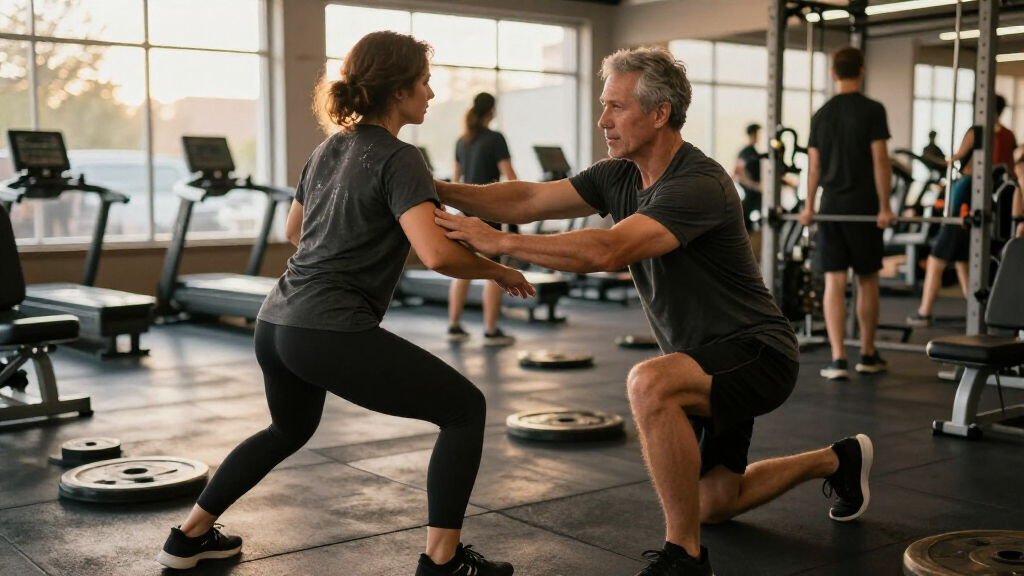
Personal trainer and Pilates instructor Jill Brown says people in their 40s and 50s may find familiar workouts deliver less progress as daily movement, lifestyle, and the body’s response to exercise change. Her suggestions include gradually adding workout time or intensity, increasing everyday movement, or changing exercise types; the source does not provide research data or individualized medical guidance.
In a report for Fit&Well, personal trainer and Pilates instructor Jill Brown recommends gradual workout changes for people in their 40s and 50s who feel their familiar routines are delivering less progress. She suggests adding a little workout time, raising intensity, or trying different exercise types, citing changes in everyday movement, lifestyle and how the body adapts to exercise.
Brown told Fit&Well that she often hears from people who have followed the same exercise routine for about five years and then notice weight gain or less progress as they reach their 40s or 50s. She said they may report exercising as much as before, or even more, while saying they do not burn the same number of calories. The report presents this as Brown’s observation, not as a measured result applying to everyone.
Brown identifies reduced daily movement and lifestyle changes as common reasons for lower day-to-day calorie expenditure, while saying hormones can also play a part. She also points to a possible fitness plateau: when an exercise routine becomes familiar and feels easier, Brown says the body may become more efficient at the workout. The source does not specify how much any of these factors contribute for an individual.
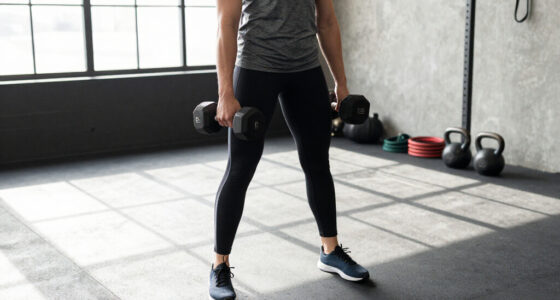
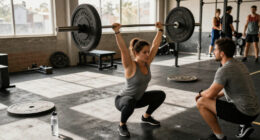
Her first suggestions are to add 10 to 15 minutes to a workout or include one additional gym session during the week. People who do not want more formal exercise could add everyday activity, such as taking more steps or going for a longer weekend walk. For those short on time, Brown suggests increasing the challenge within a session by using heavier weights, adding faster intervals to a walk, or doing more repetitions.
Brown advises against increasing workout volume and intensity at the same time, saying the body should adjust to one new challenge before another is added. She also suggests changing the exercise stimulus—for example, adding kettlebells or suspension training to dumbbell strength work, or bringing cardio into a routine. She presents changing exercises as a way to introduce a new stimulus.
Small Changes Can Refresh Training
The advice matters because people may respond to stalled progress by either giving up on exercise or sharply increasing how hard and how often they train. Brown’s approach instead offers incremental options: add a modest amount of movement, make a session somewhat more challenging, or vary the exercises. Her caution to change one factor at a time gives readers a way to avoid stacking several new demands at once.
At the same time, the report does not establish that a particular program becomes ineffective solely because of age, nor does it offer a guaranteed weight-loss outcome. Brown’s recommendations are general training suggestions. A person’s results can depend on health, recovery, diet, schedule and other circumstances not examined in the report. Readers with injuries, health conditions or concerns about exercise should seek advice from a qualified health professional or fitness specialist before making substantial changes.
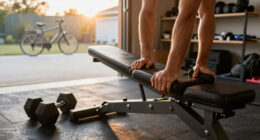
adjustable dumbbells for home workouts
As an affiliate, we earn on qualifying purchases.
As an affiliate, we earn on qualifying purchases.
How Familiar Routines Can Plateau
The Fit&Well report focuses on a common training problem: an exercise plan that once felt challenging becomes comfortable after repeated use. Brown says the body can become more efficient at a familiar workout. In her account, that can mean the same session feels easier and may involve a different energy cost than it did at the beginning.
The report links that account with, but does not equate it to, changes in everyday activity and lifestyle. A person can keep attending the gym while moving less during the rest of the day, for example. Brown also mentions hormones as a possible influence, without identifying specific hormones or quantifying their effect. The article offers practical suggestions rather than a scientific review, and supplies no study, data set or comparison showing how common these changes are.
“Your body adapts to the workouts that you do, so if you don’t change your workouts regularly, you’ll stop seeing progress.”
— Jill Brown, as quoted by Fit&Well
best workout equipment for over 40
As an affiliate, we earn on qualifying purchases.
As an affiliate, we earn on qualifying purchases.
What the Advice Does Not Establish
The report does not provide a publication date in the supplied material, scientific studies, or measurements of calorie expenditure before and after age 40. It also does not show how much changes in movement, lifestyle or hormones contribute to any one person’s results. Brown’s account should be read as a trainer’s explanation and recommendations, not proof that everyone will experience a plateau at a particular age.
Fit&Well does not specify an appropriate training load, pace of progression, or number of repetitions for individual readers. It is also unclear whether Brown’s suggestions would address weight gain or stalled progress caused by factors outside exercise. The report does not claim that changing workouts will produce a particular result.
As an affiliate, we earn on qualifying purchases.
Adjust One Training Variable
Brown’s practical next step is to identify whether a routine has become noticeably easier, then test one gradual change: a little more time, a modest increase in intensity, additional everyday walking, or a different exercise. She advises giving the body time to adapt before adding another challenge. The report does not announce a follow-up study or a formal program, so any further guidance would depend on additional reporting or individualized advice from a qualified trainer or health professional.
kettlebell set for strength training
As an affiliate, we earn on qualifying purchases.
As an affiliate, we earn on qualifying purchases.
Key Questions
Why might a familiar workout feel less effective in your 40s or 50s?
Trainer Jill Brown says daily movement and lifestyle changes may reduce calorie expenditure, while the body may also adapt to a repeated routine. She says hormones can play a part, but the report does not quantify their effects or establish that this happens to everyone.
What workout changes does Brown suggest?
She suggests adding 10 to 15 minutes to a session, adding one weekly gym visit, increasing everyday steps, or making a workout more challenging. She also recommends trying a different exercise type or equipment.
Should you increase workout time and intensity together?
No. Brown advises changing volume or intensity first and allowing the body to adjust before adding another challenge.
Does the report prove that workouts stop working after 40?
No. The report shares Brown’s observations and training advice, but provides no research data establishing that a routine becomes ineffective for everyone at a specific age.
When should someone get professional advice?
People with an injury, pre-existing health condition, or uncertainty about increasing exercise should consult a qualified health professional or fitness specialist before making substantial changes.
Source: rss
Halloween Picks
halloween
As an affiliate, we earn on qualifying purchases.