
TL;DR

Get workout gear delivered free — and shop member deals
- Fast, free delivery on millions of items
- Access to Prime Big Deal Days deals on October 6–7
- Prime Video, Amazon Music and more included
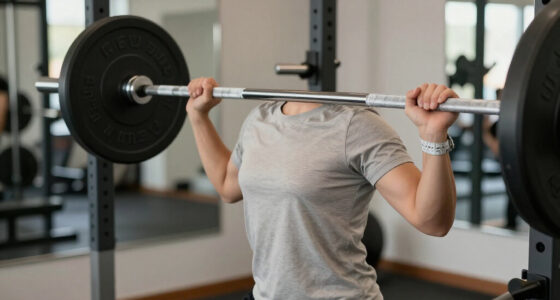
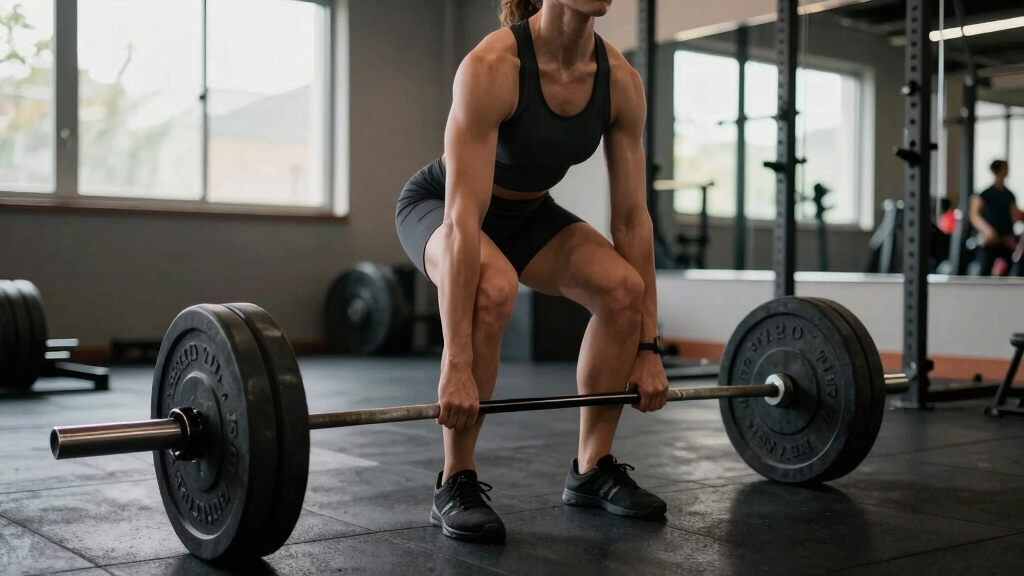
You can lift heavy due to neural adaptations without gaining visible muscle size. Building a muscular, aesthetic physique requires targeted hypertrophy work, proper nutrition, and managing body fat.
Ever wonder why some people can squat twice their body weight but still look relatively lean and unimpressive in size? Or why others look muscular but struggle to lift heavy? The truth is, strength and appearance are two different things. Lifting heavy primarily trains your nervous system, not just your muscles. Understanding this distinction can help you set realistic goals and tailor your training for both strength and aesthetics.
In this guide, you’ll learn why heavy lifting doesn’t automatically mean you’ll look stronger, and what factors influence muscle size, density, and visual impact. Whether you’re aiming for functional strength, a more muscular look, or both, knowing the difference can change how you train and eat.
Neural adaptations account for up to 90% of early strength gains, often without much muscle size increase.
Muscle density and fiber type influence strength and appearance more than size alone.
Low body fat levels make muscles look more defined, while higher fat can hide muscle size.
Combining strength and hypertrophy training yields the best results for both strength and aesthetics.
Genetics play a significant role in how your muscles respond and look, regardless of how much you lift.
Why Strength and Muscle Size Are Not the Same
Strength is your ability to exert force. Muscle size, on the other hand, comes from hypertrophy—actual growth of muscle fibers. You can lift heavy because your nervous system gets better at recruiting muscle fibers quickly and efficiently, often without much muscle size increase.
Imagine a sprinter: they can generate explosive force without bulky muscles. Conversely, bodybuilders have large muscles but aren’t always the strongest in pure lift numbers. Understanding this difference helps you focus your training where it matters for your goals.
muscle hypertrophy training equipment
As an affiliate, we earn on qualifying purchases.
As an affiliate, we earn on qualifying purchases.
How Neural Adaptations Make You Stronger Without Bigger Muscles
Neural adaptations are the brain and nervous system becoming more efficient at activating muscle fibers. When you lift heavy, your body learns to turn on more fibers faster, which boosts your strength. This process can lead to substantial strength gains—sometimes up to 90% of initial improvements—without a significant change in muscle size.
For example, a beginner might squat 135 pounds for reps after a few weeks of training, but their muscles don’t look much bigger. That’s neural efficiency at work.
neural adaptation strength training gear
As an affiliate, we earn on qualifying purchases.
As an affiliate, we earn on qualifying purchases.
Why Your Muscles Might Be Dense and Functional, Not Big
Muscle density refers to how tightly packed your muscle fibers are. Dense muscles are strong and functional but may not appear large. Some people develop more type I fibers—slow-twitch, endurance-oriented fibers—that contribute to strength without much size. Others might have high-quality, dense muscle tissue from specific training methods like eccentric focus or blood flow restriction.
Think of a marathon runner’s legs: lean, dense, and powerful, but not bulky. You can be strong from dense muscles that don’t necessarily look big.
As an affiliate, we earn on qualifying purchases.
How Body Fat Levels Change Your Visual Strength
Even if your muscles are strong, your body fat plays a huge role in how they look. Low body fat makes muscles pop, revealing definition and shape. Higher body fat can hide muscle size, making you look less muscular—even if you’re lifting heavy.
For example, a powerlifter might lift enormous weights but carry extra body fat, so their muscles aren’t as visible. Conversely, a lean athlete with moderate muscle size can look more impressive because of the low fat covering.
As an affiliate, we earn on qualifying purchases.
Training Focus: Strength vs. Hypertrophy
Training for strength often involves low reps (1-5) with heavy weights. This enhances neural efficiency and maximal force output. Hypertrophy training uses moderate reps (6-12) with moderate weights to stimulate muscle growth.
Here’s a quick comparison:
| Aspect | Strength Training | Hypertrophy Training |
|---|---|---|
| Reps | 1-5 | 6-12 |
| Weight | Near maximum | Moderate |
| Focus | Neural adaptation | Muscle size increase |
| Outcome | Higher strength, less size | Muscle growth, size |
You can be very strong from neural gains but not look bulky if you focus only on low-rep, heavy lifts.
How Genetics and Body Type Shape Your Results
Genetics influence everything from muscle shape to fiber type distribution. Some people naturally have more fast-twitch fibers—ideal for explosive strength—without much hypertrophy. Others might have longer muscle insertions, affecting how muscles look even if they lift heavy.
For example, you might have a friend who lifts heavy but never develops that bulky look, thanks to their genetic makeup. Or someone with a naturally muscular build who seems to get bigger with less effort.
What You Can Do to Build Both Strength and a Muscular Look
To look strong and muscular, you need a balanced approach that includes both neural and hypertrophy training. Here are five tips:
- Mix your routines: Combine heavy lifts (1-5 reps) with moderate reps (6-12).
- Focus on volume: Add sets and reps to stimulate muscle growth.
- Prioritize nutrition: Consume enough protein and calories to support hypertrophy.
- Manage body fat: Keep fat levels low enough to reveal muscle shape.
- Be patient: Muscle growth takes time, especially if your focus is on strength first.
For instance, a lifter might do heavy squats twice a week, then add in some high-rep accessory work with machines or bodyweight exercises to boost size.
Frequently Asked Questions
Can I get stronger without getting bigger?
Absolutely. Neural adaptations improve your ability to recruit muscle fibers, boosting strength without necessarily increasing muscle size. Focus on low-rep, heavy lifting, and you can get stronger without much change in appearance.Why do some people look muscular but aren’t very strong?
Muscular appearance depends on muscle size and shape, which can be influenced by genetics. Strength, however, depends on neural efficiency and muscle fiber recruitment, which aren’t always visible.How can I build muscle while staying lean?
Combine hypertrophy training with proper nutrition and body fat management. Focus on moderate reps, adequate protein, and maintaining a calorie balance that promotes muscle growth without fat gain.Is lifting heavy enough for hypertrophy?
Lifting heavy can contribute to hypertrophy if combined with enough volume and proper nutrition. However, for optimal size gains, incorporating moderate reps and higher volume is usually more effective.Will lifting heavy make me bulky?
Not necessarily. Bulking depends on overall calorie intake and training volume. Heavy lifting alone doesn’t automatically lead to a bulky physique; it’s about your whole lifestyle and nutrition plan.Conclusion
Remember, lifting heavy is about more than just size. It’s about training your nervous system to recruit muscle efficiently. If you want muscles that look as strong as they feel, incorporate both neural and hypertrophy work, and keep an eye on your body fat. Strength and appearance can go hand in hand—just know the difference and train accordingly.
Next time you lift heavy, think of it as sharpening your body’s internal tools. The muscles you see aren’t the only measure of strength—sometimes, the real power lies beneath the surface.
Fall Picks
fall essentials
As an affiliate, we earn on qualifying purchases.